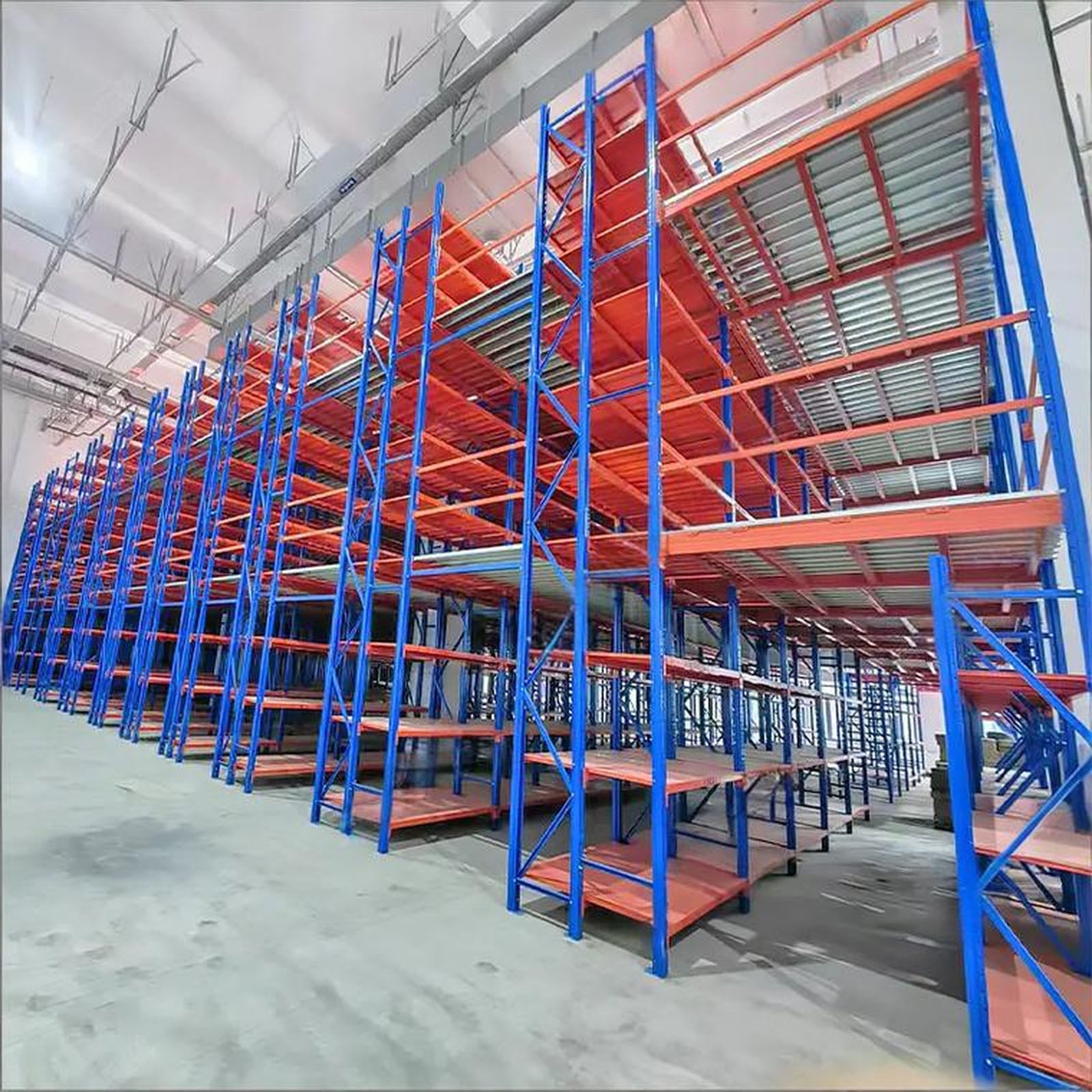
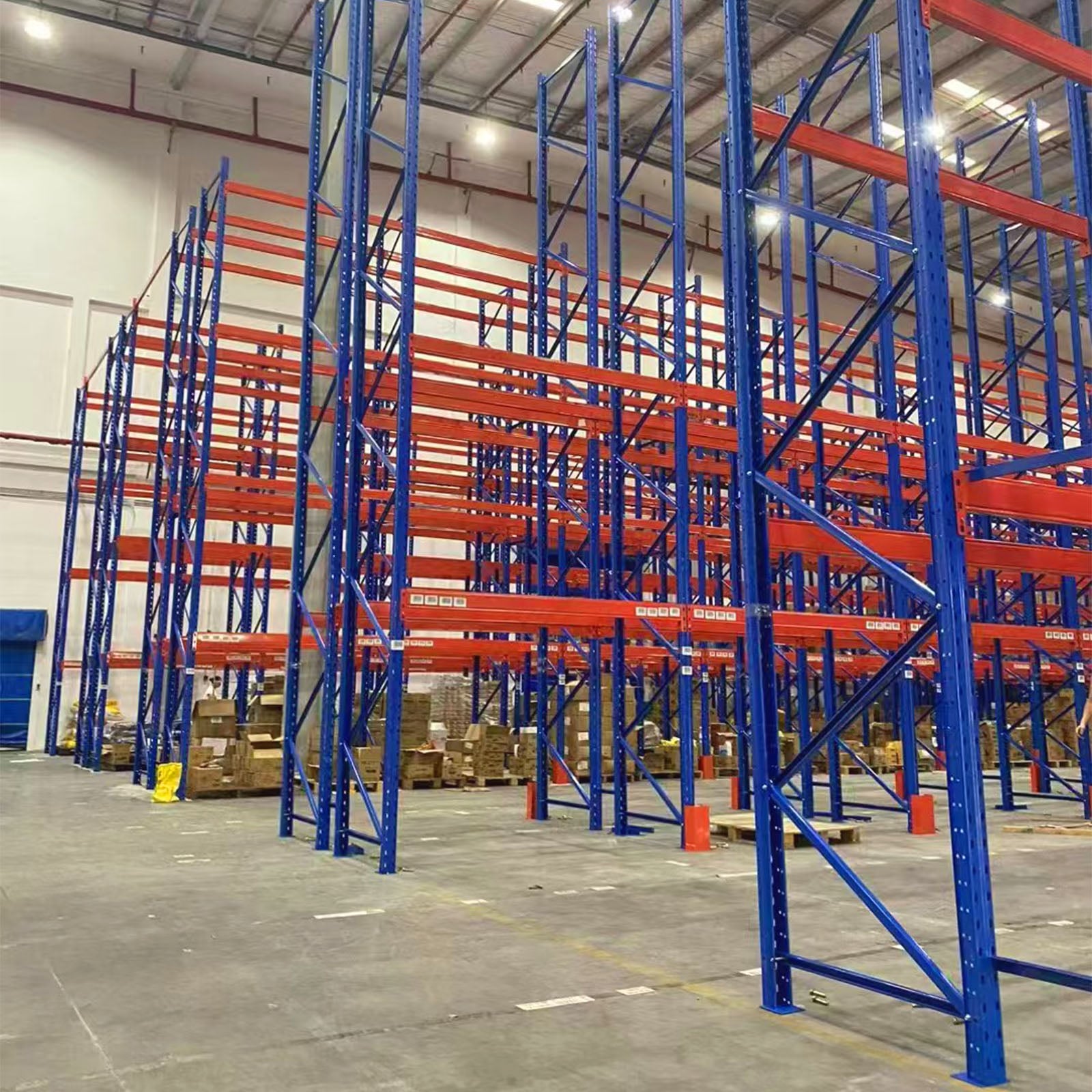
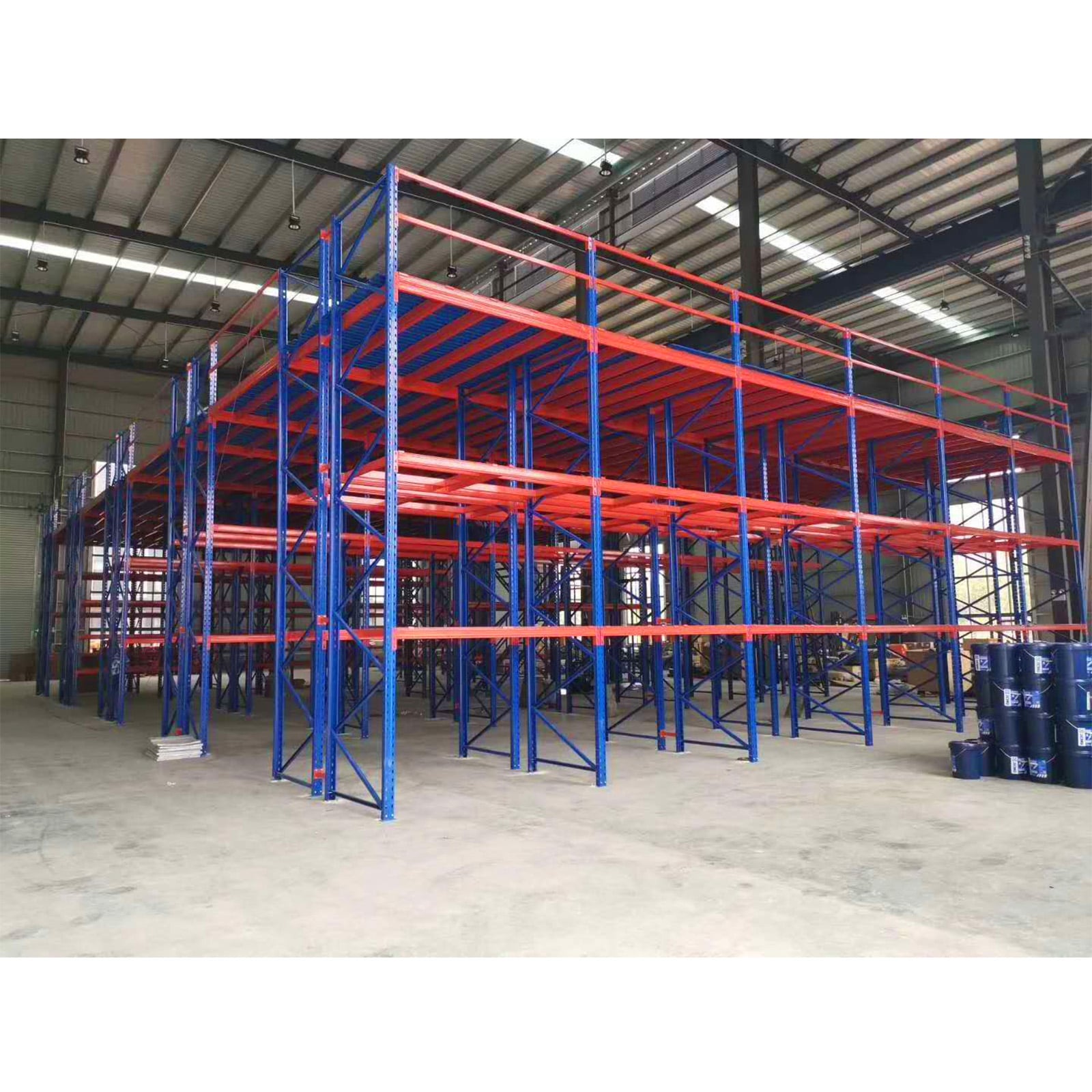
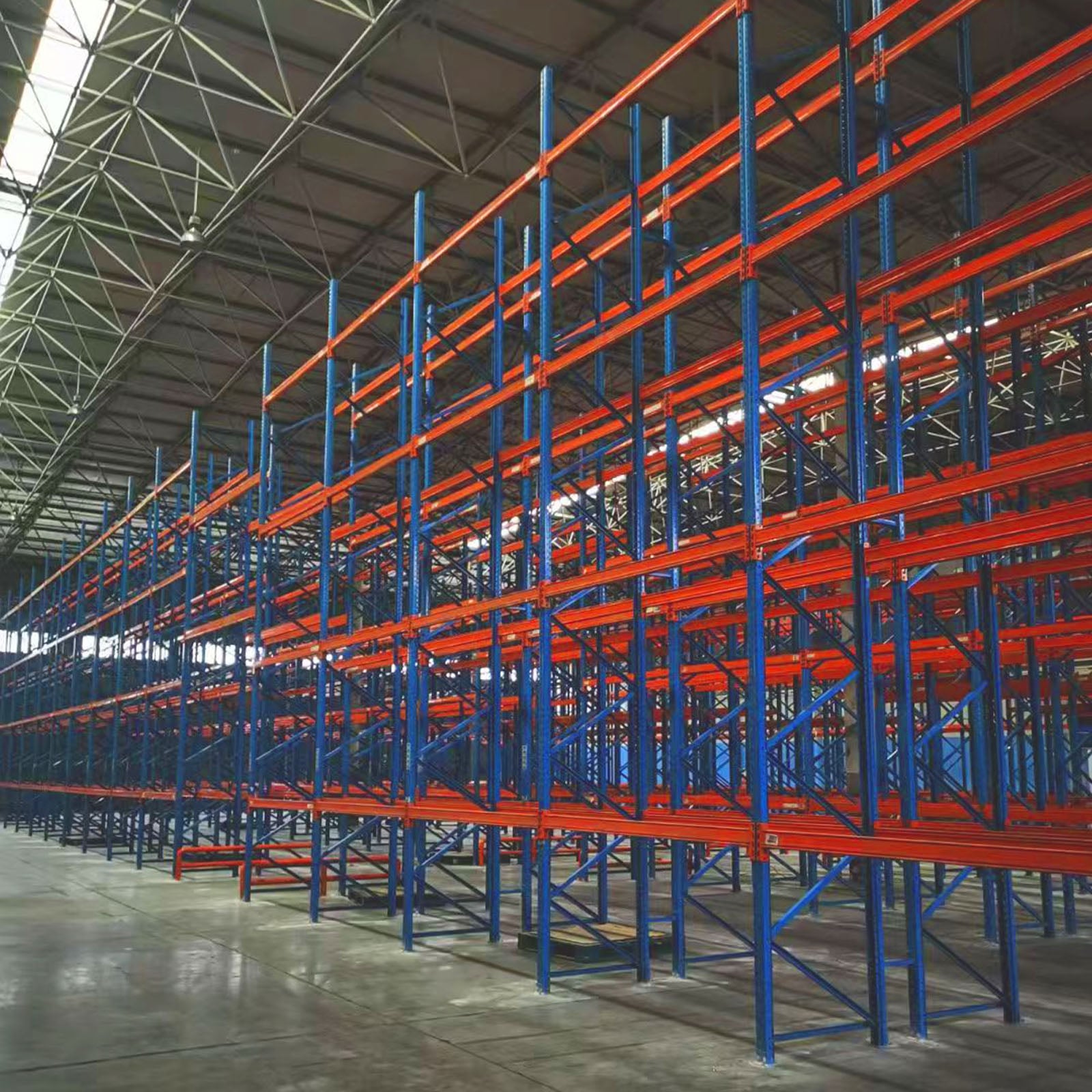
La gestión moderna de almacenes exige un equilibrio minucioso y continuo entre la densidad espacial, la velocidad de rotación de inventario y los estándares de seguridad operativa. En mis años como consultor para centros de distribución globales, centros logísticos automatizados y plantas de fabricación pesada, he observado repetidamente que la ineficiencia en los almacenes rara vez se debe a la falta de superficie física o a una mala ubicación geográfica. Por el contrario, su origen radica en una utilización vertical subóptima y en configuraciones obsoletas de manipulación de materiales que no aprovechan el volumen cúbico total del edificio. Cuando los gestores de instalaciones evalúan proyectos de expansión, los gastos de capital asociados al alquiler de instalaciones de almacenamiento externas o a la construcción de nuevos edificios suelen ser astronómicos y gravosos desde el punto de vista financiero. Sin embargo, la implementación de un sistema industrial de estanterías diseñado técnicamente convierte la capacidad vertical existente en zonas de almacenamiento altamente productivas, sin necesidad de ampliar la huella física del edificio. Al emplear bastidores verticales de alta resistencia, vigas portacargas ajustables y una disposición sistemática de palets, los operadores de almacén pueden recuperar inmediatamente hasta un cien por ciento más de espacio útil en planta. Este cambio fundamental no solo reduce los costos de almacenamiento cúbico por metro cuadrado, sino que también simplifica las rutas de preparación de pedidos, minimizando el tiempo de desplazamiento de los operadores en grandes superficies de distribución y aumentando significativamente el volumen diario de pedidos cumplimentados, al tiempo que disminuye los gastos generales operativos. Además, la optimización del espacio vertical reduce el consumo energético destinado a iluminación y control climático por palet almacenado, mejorando así los indicadores corporativos de sostenibilidad y el cumplimiento medioambiental en las instalaciones industriales. Al integrar las empresas un diseño industrial de estanterías calibrado adecuadamente, establecen una base física sólida que permite operaciones de preparación de pedidos en múltiples niveles y la manipulación de cargas pesadas, sin requerir modificaciones costosas del edificio, alteraciones estructurales ni paradas disruptivas por expansión.
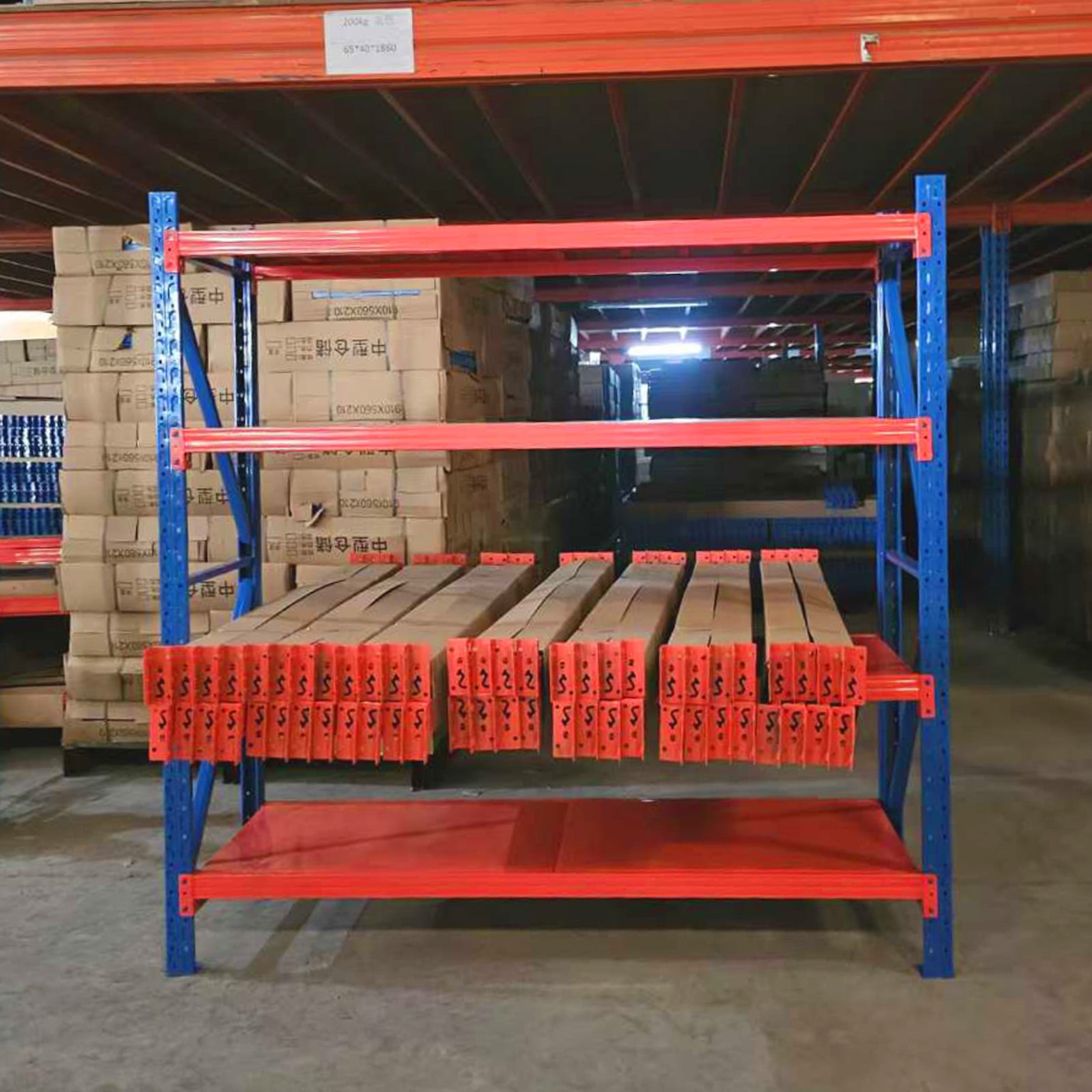
Evaluar el valor real de los sistemas de estanterías industriales para almacenamiento va mucho más allá de los costos iniciales de adquisición, la apariencia superficial o las limitaciones presupuestarias a corto plazo. La durabilidad estructural, la resistencia de los materiales y el estricto cumplimiento de rigurosas normas internacionales de ingeniería determinan el retorno de la inversión a largo plazo de cualquier infraestructura de almacenamiento en almacenes. Las soluciones profesionales de almacenamiento fabricadas por especialistas consolidados del sector utilizan acero estructural laminado en frío de alta calidad, placas conectoras soldadas con precisión y mecanismos de anclaje sísmicamente resistentes, diseñados para soportar cargas gravitacionales extremas y fuerzas laterales. Cuando los planificadores de instalaciones revisan fichas técnicas, informes de análisis por elementos finitos y certificados de capacidad de carga, parámetros clave como las capacidades máximas de carga por bahía, las tolerancias de deformación de las vigas bajo carga uniformemente distribuida máxima y los tratamientos superficiales avanzados con recubrimiento en polvo anticorrosivo constituyen indicadores críticos de calidad y durabilidad. Elegir estanterías subestándar o no certificadas puede generar ahorros de capital temporales durante la instalación inicial, pero introduce riesgos operativos graves, como fatiga estructural, colapsos accidentales de palets y daños catastróficos en el inventario, lo que puede paralizar por completo las operaciones de la cadena de suministro. Los sistemas de estanterías industriales de alto rendimiento someten a pruebas rigurosas de conformidad para garantizar su resistencia a los impactos diarios de carretillas elevadoras pesadas y a ciclos frecuentes de carga, protegiendo así tanto al personal del almacén como a los activos valiosos de inventario, y asegurando el cumplimiento total de los códigos establecidos de seguridad industrial.
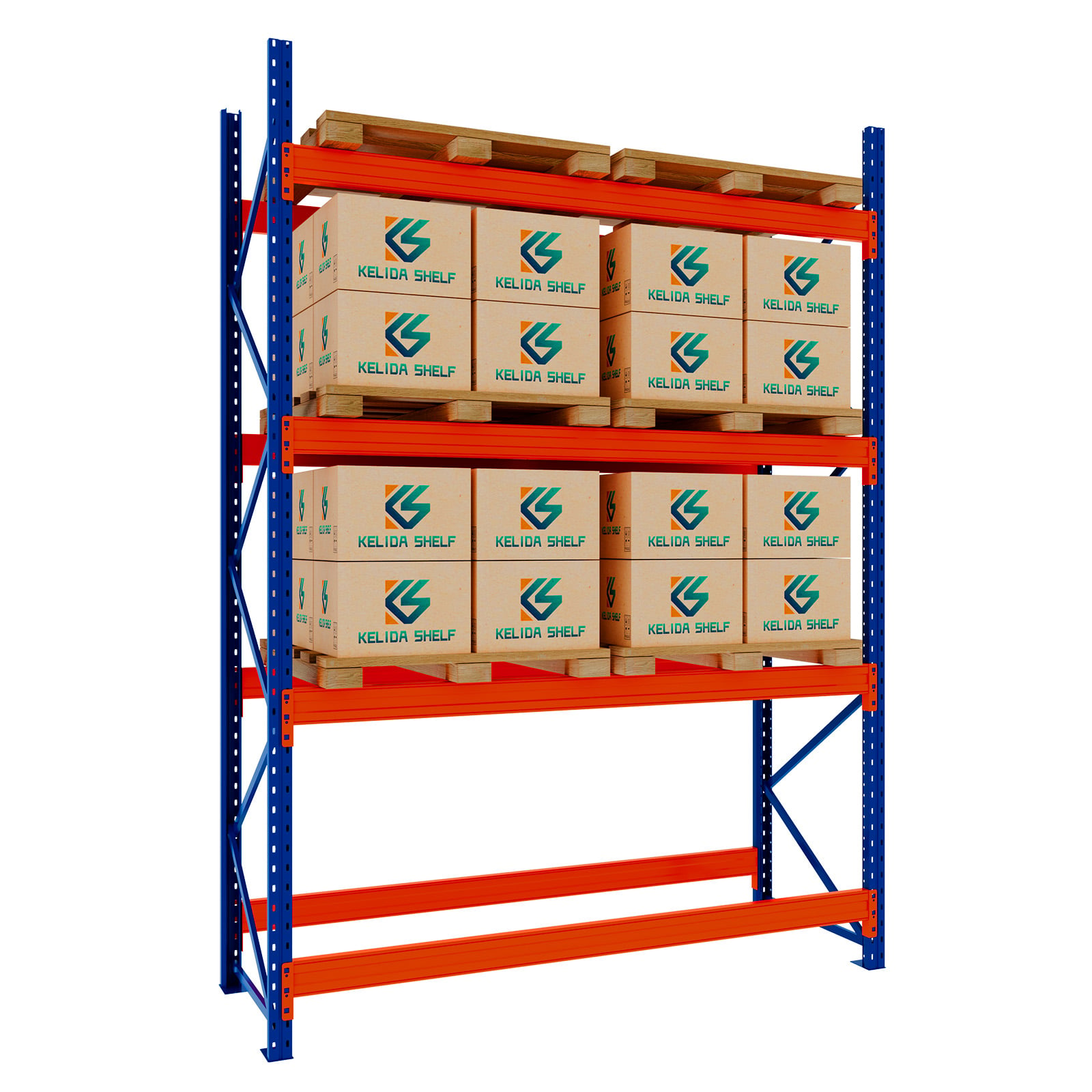
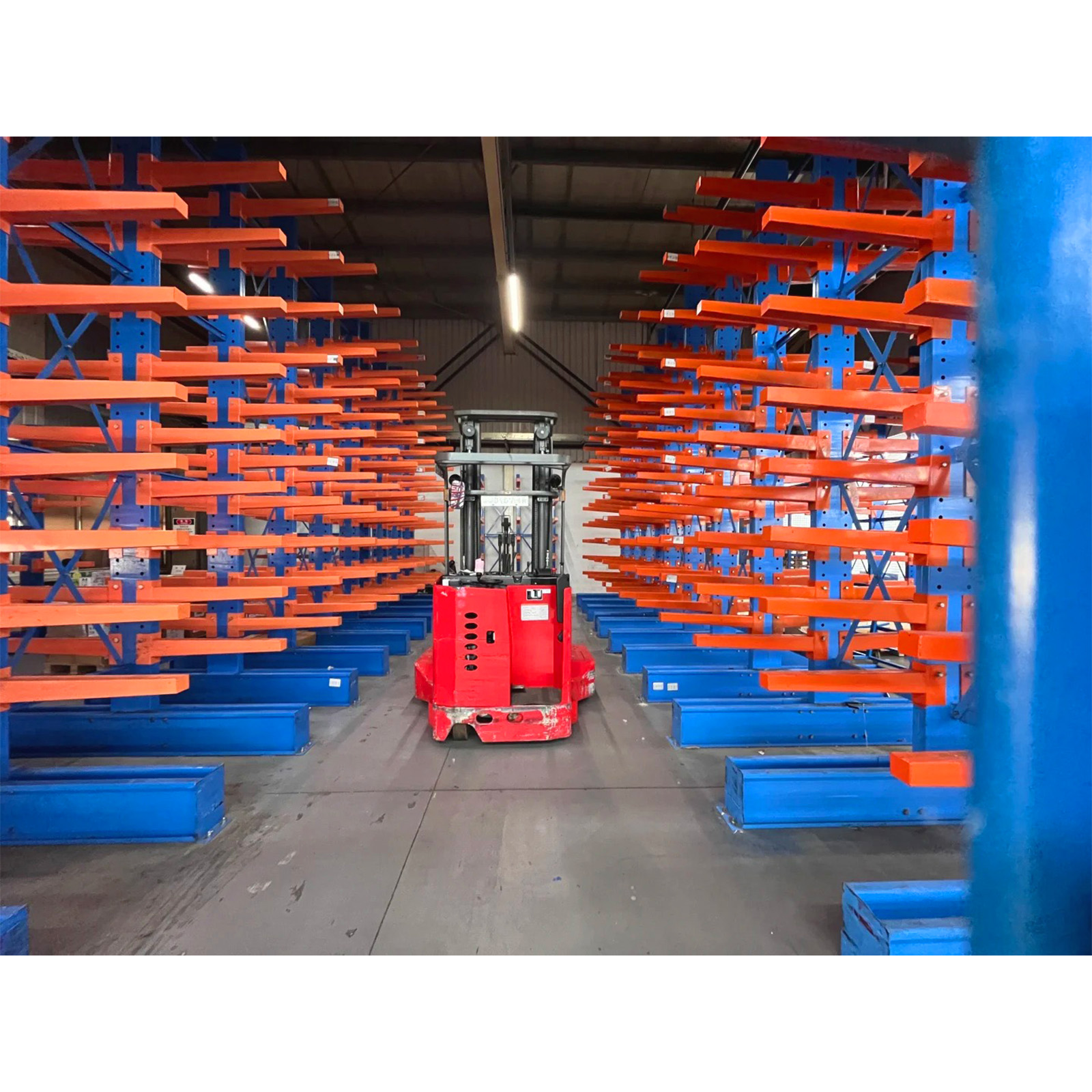
Un marco eficaz de almacenamiento en almacén actúa como la columna vertebral esencial para la ejecución fluida de la cadena de suministro y el control eficiente de inventarios. Cuando el inventario se organiza dentro de un diseño estandarizado de estanterías industriales, la visibilidad del stock mejora drásticamente en toda la instalación, eliminando los costos laborales ocultos asociados con mercancías extraviadas, discrepancias en los niveles de stock y búsquedas manuales redundantes. Distintos modelos operativos y sectores industriales exigen configuraciones especializadas de estanterías adaptadas a geometrías específicas de productos, distribuciones de peso y métodos de manipulación. Por ejemplo, las estanterías selectivas para palets ofrecen acceso directo para una alta accesibilidad de inventario con numerosos SKUs; los sistemas drive-in maximizan el almacenamiento en alta densidad para mercancías homogéneas; y las estanterías en voladizo brindan soporte óptimo para materiales estructurales largos, madera o tuberías pesadas. La integración de estos sólidos sistemas físicos con software moderno de gestión de almacenes permite el seguimiento en tiempo real de las ubicaciones de los contenedores, reduciendo drásticamente los errores en la preparación de pedidos y acelerando los tiempos de procesamiento en las etapas de recogida y empaquetado. Además, mantener claros los pasillos entre las filas de estanterías garantiza una maniobrabilidad segura para carretillas elevadoras de alcance y carretillas contrapesadas, evitando cuellos de botella operativos durante las temporadas pico de envíos y asegurando un flujo constante e ininterrumpido de mercancías desde las zonas de recepción hasta las áreas de preparación para embarque.
La inversión de capital en infraestructura profesional de almacenes debe justificarse siempre mediante modelos financieros rigurosos y el cumplimiento estricto de las normas internacionales de seguridad. Las autoridades del sector y los organismos reguladores enfatizan que las inspecciones de seguridad obligatorias, la etiquetación correcta de la capacidad de carga y la instalación profesional son elementos no negociables para una operación sostenible de almacenes. Aunque los sistemas premium de estanterías industriales requieren una inversión inicial mayor en comparación con las alternativas económicas del mercado, su mayor durabilidad, adaptabilidad modular y bajos requisitos de mantenimiento generan un costo total de propiedad significativamente menor durante un ciclo operativo de diez a quince años. Además, los sistemas robustos minimizan la merma de productos causada por embalajes dañados o apilamientos inestables, protegiendo los márgenes de beneficio corporativos y reduciendo las primas de seguros de responsabilidad civil. Al combinar ingeniería estructural duradera con protocolos de seguridad disciplinados, auditorías periódicas de mantenimiento y programas integrales de formación del personal, los operadores de almacenes logran una excelencia operativa sostenible, garantizando que su inversión en almacenamiento siga aportando valor financiero medible a medida que su empresa crece y las demandas del mercado evolucionan en un entorno global cada vez más competitivo.
 Noticias destacadas
2025-01-15
2025-01-10
2025-01-05

 EN
EN