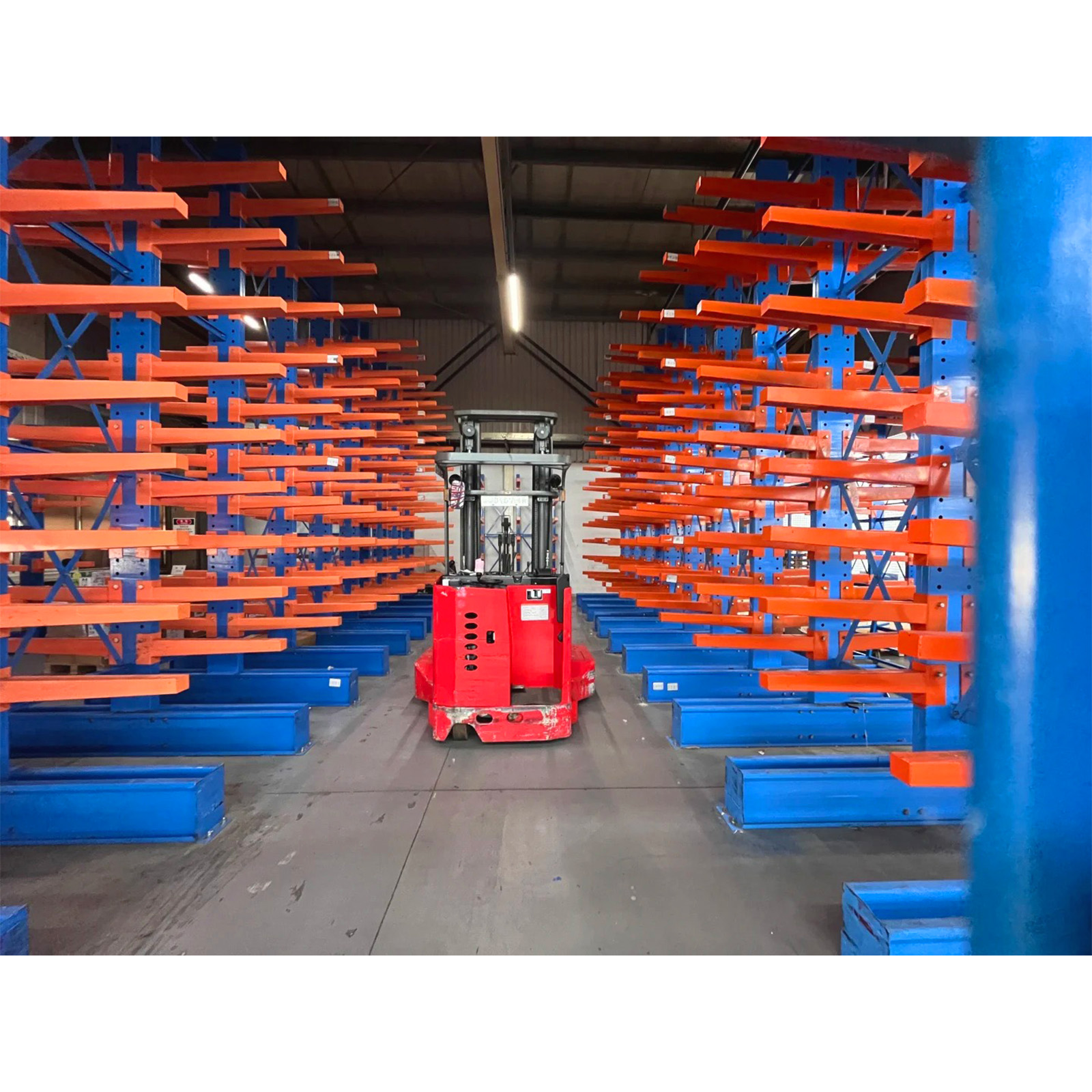
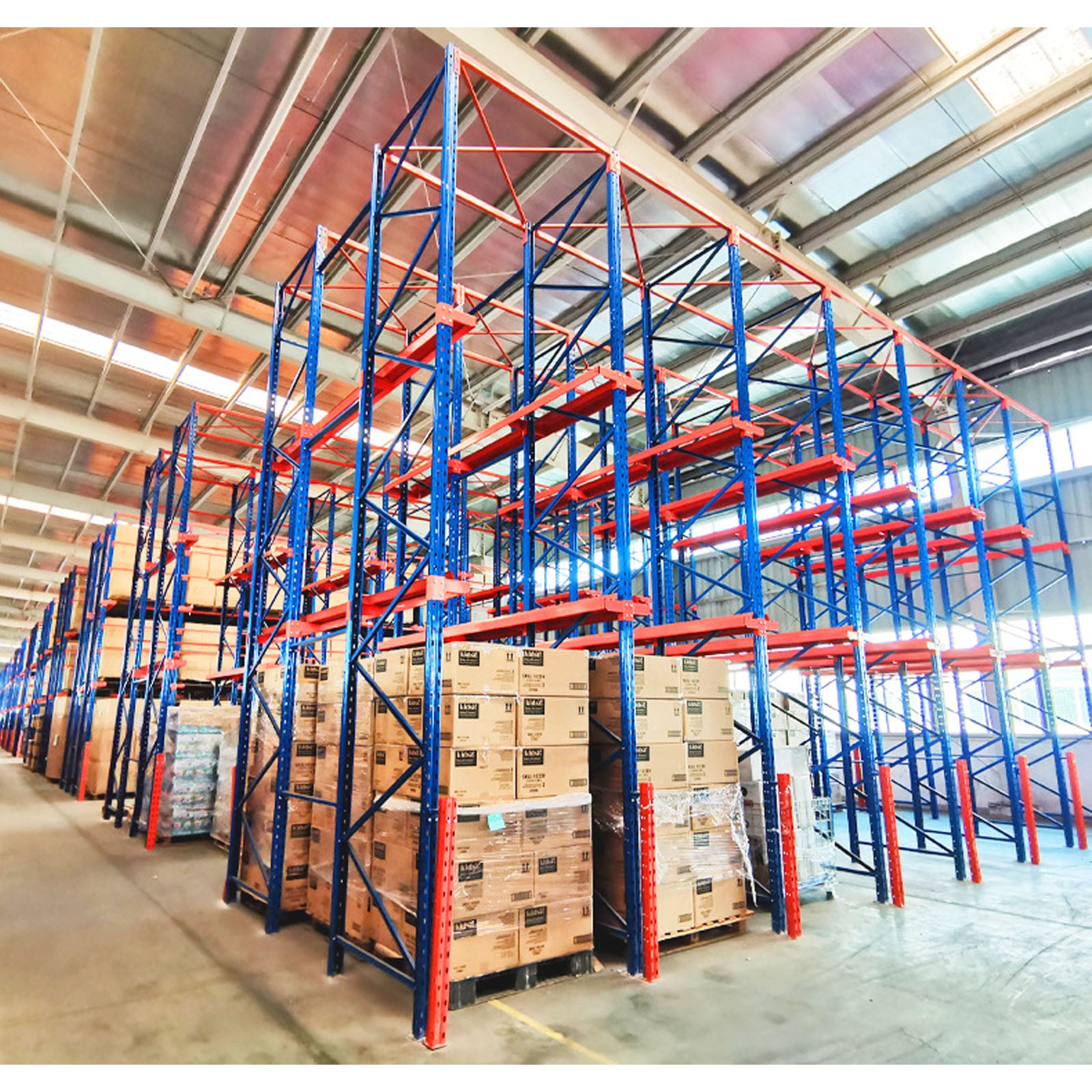
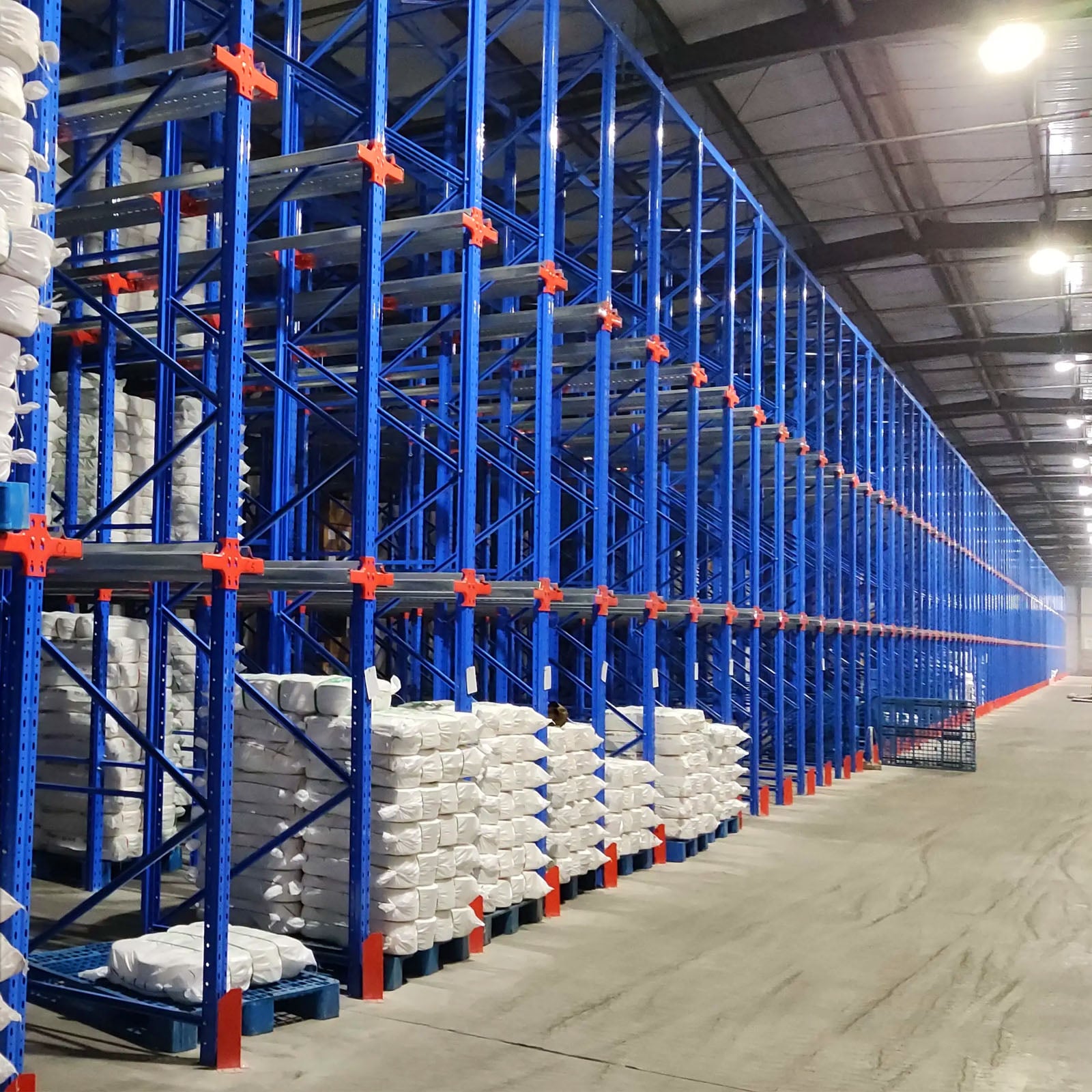
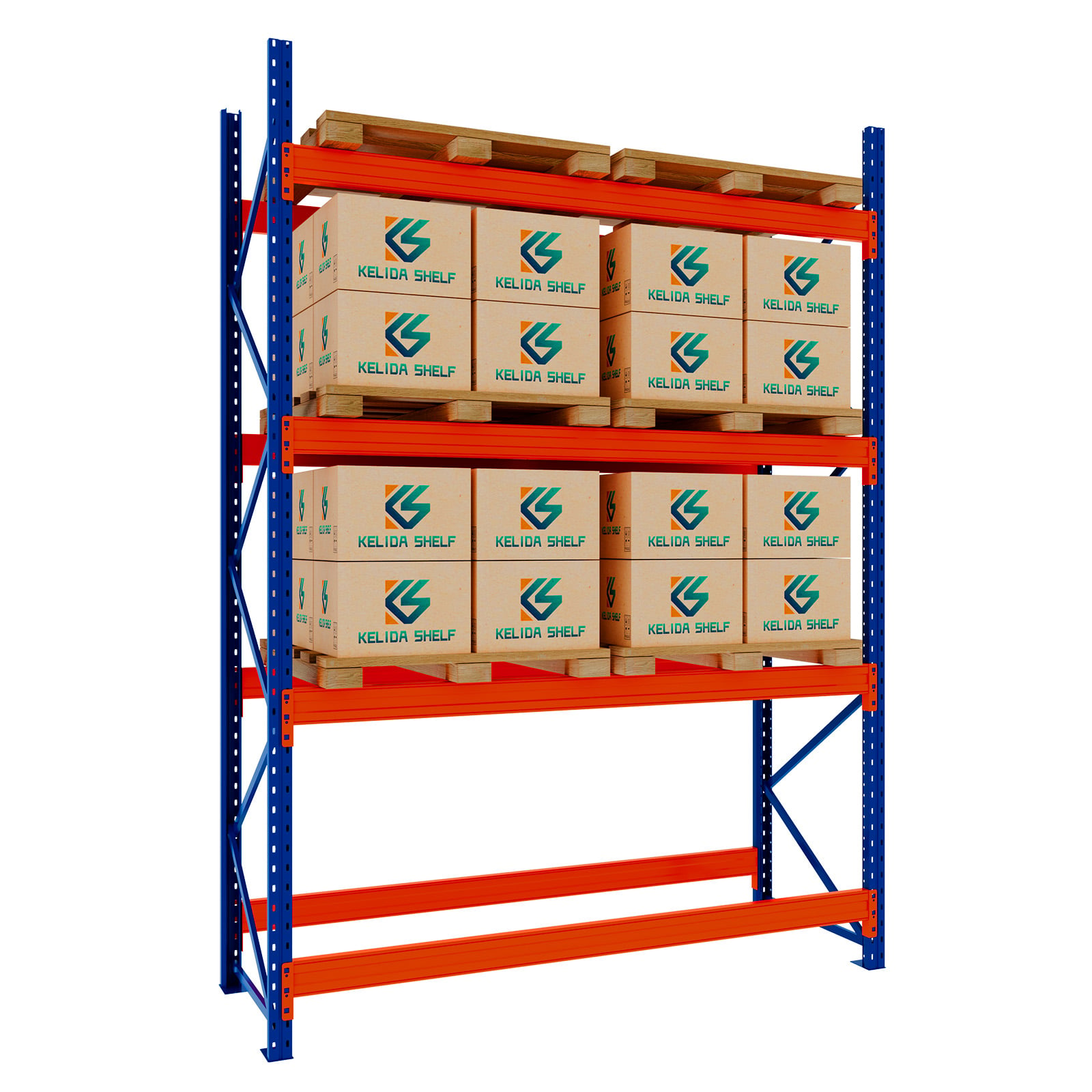
Modern warehouse management and distribution center design require a meticulous and continuous balance between spatial density, inventory turnover velocity, and operational efficiency standards. In my years of consulting for cold storage facilities, beverage distributors, food processing plants, and manufacturing enterprises dealing with high-volume homogeneous goods, I have repeatedly observed that traditional selective rack configurations waste critical cubic volume due to excessive working aisle requirements. When facility managers evaluate how to maximize their storage capacity without expanding their physical building footprint or incurring astronomical real estate leasing expenses, deploying a specialized drive in pallet racking system provides a transformative structural solution. This high-density storage framework completely eliminates multiple operating aisles by allowing material handling equipment to enter directly into the rack structure itself, operating on a disciplined Last-In, First-Out inventory retrieval method. By stacking pallets densely back-to-back and tier-to-tier along specialized structural guide rails, warehouse operators can immediately recover up to seventy-five percent more usable storage capacity compared to conventional selective alternatives. This foundational spatial shift dramatically reduces the cubic cost per stored pallet, making it an ideal capital investment for businesses managing large quantities of identical stock items where individual pick accessibility takes secondary importance to maximum volumetric utilization. Furthermore, minimizing wasted aisle space significantly lowers lighting and climate control energy expenditures in temperature-controlled warehouses, enhancing corporate sustainability metrics and environmental compliance across industrial distribution facilities. When businesses integrate a properly calibrated drive in layout, they establish a solid physical foundation that maximizes storage density.
Evaluating the true utility, safety, and durability of drive in pallet racking extends far beyond initial procurement costs and surface-level aesthetic considerations. Structural longevity, material resilience, and strict adherence to international engineering standards dictate the long-term safety and return on investment for any high-density storage infrastructure. Professional storage solutions manufactured by established industry specialists utilize high-grade cold-rolled structural steel, heavy-duty upright frames, reinforced top-tie beams, and precision-welded guide rails designed to withstand immense gravitational loads and lateral forces exerted by entering forklifts. When facility planners review technical datasheets, finite element analysis reports, and load rating certificates, key parameters such as upright load capacities, arm support tolerances under maximum uniform distributed load, and advanced powder-coated surface treatments against corrosion are critical indicators of quality. Selecting substandard or uncertified systems introduces severe operational risks, including structural fatigue, rack misalignment, and catastrophic pallet collapse during high-frequency loading cycles. High-performance drive in pallet racking systems undergo rigorous compliance testing to ensure they withstand daily mechanical stress, seismic forces, and operational impacts, ultimately protecting both warehouse personnel and valuable inventory assets while ensuring complete alignment with established industrial safety codes.
An effective high-density storage framework acts as the vital backbone of efficient warehouse execution, especially for operations managing seasonal inventory surges or bulk manufacturing outputs. When inventory is organized within a standardized drive in pallet racking layout, stock management shifts toward a disciplined Last-In, First-Out sequence, making it exceptionally well-suited for goods with expiration dates or stable product lines. Different operational models demand precise alignment between pallet dimensions, forklift mast heights, and channel depths to ensure smooth navigation. Because operators drive directly into the storage lanes, specialized safety features such as floor-mounted guide rails, robust entry-bay upright protectors, and sloping rail stoppers are non-negotiable components that prevent equipment misjudgment and protect internal structural integrity. Integrating these robust physical systems with modern warehouse management software enables real-time tracking of lane occupancy, drastically reducing search times and accelerating put-away throughput. Furthermore, maintaining strict loading protocols ensures safe maneuverability for reach trucks or specialized counterbalance forklifts, preventing operational bottlenecks during peak shipping seasons and maintaining a steady, uninterrupted flow of goods from receiving docks to high-density storage lanes.
Capital investment in professional warehouse infrastructure must always be justified through rigorous financial modeling and strict adherence to international safety standards. Industry authorities and regulatory bodies emphasize that mandatory safety inspections, correct load capacity tagging, and professional installation are essential elements of sustainable warehouse operation. Although premium drive in pallet racking requires precise planning and expert installation compared to standard alternatives, its superior durability, modular adaptability, and space-saving efficiency deliver a significantly lower total cost of ownership over a ten to fifteen-year operational lifecycle. Furthermore, robust systems minimize product damage caused by unstable stacking or overcrowded staging areas, protecting corporate profit margins and reducing liability insurance premiums. By combining durable structural engineering with disciplined safety protocols, regular maintenance audits, and comprehensive driver training programs, warehouse operators achieve sustainable operational excellence, ensuring that their storage investment continues to deliver measurable financial value as their business scales and market demands evolve in an increasingly competitive global marketplace.

 EN
EN
 Hot News