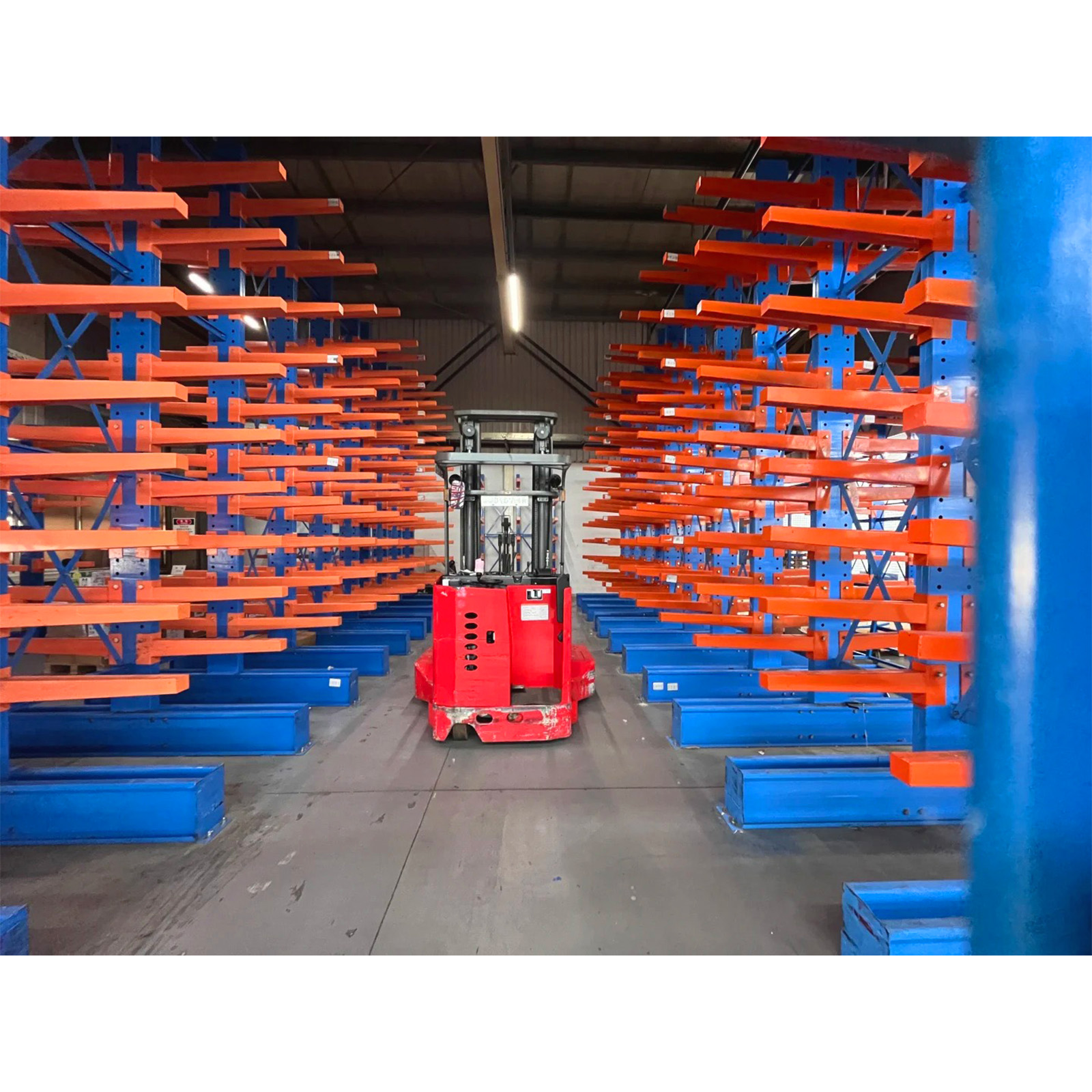
In the modern logistics system, warehouses serve as the core hub for goods circulation, and their storage efficiency directly impacts an enterprise’s operational costs and market response speed. As the fundamental carrier of warehouse storage, the rationality of shelf design can be called the "invisible engine" for efficiency improvement. Unreasonable shelf design often leads to space waste, lengthy picking paths, cargo damage, and other issues. On the contrary, scientific shelf selection and layout can maximize space utilization, shorten operation time, and reduce management costs. Below, starting from four core tips, we detail how to achieve comprehensive optimization of warehouse storage through shelf design.
I. Precise Selection: Adapting Shelves to Cargo and Operational Characteristics
The selection of shelf type is the first step in storage optimization, which must be based on an accurate judgment of cargo characteristics (weight, size, turnover rate) and operational modes (manual picking, mechanical handling, automated operations). Among common shelf types:
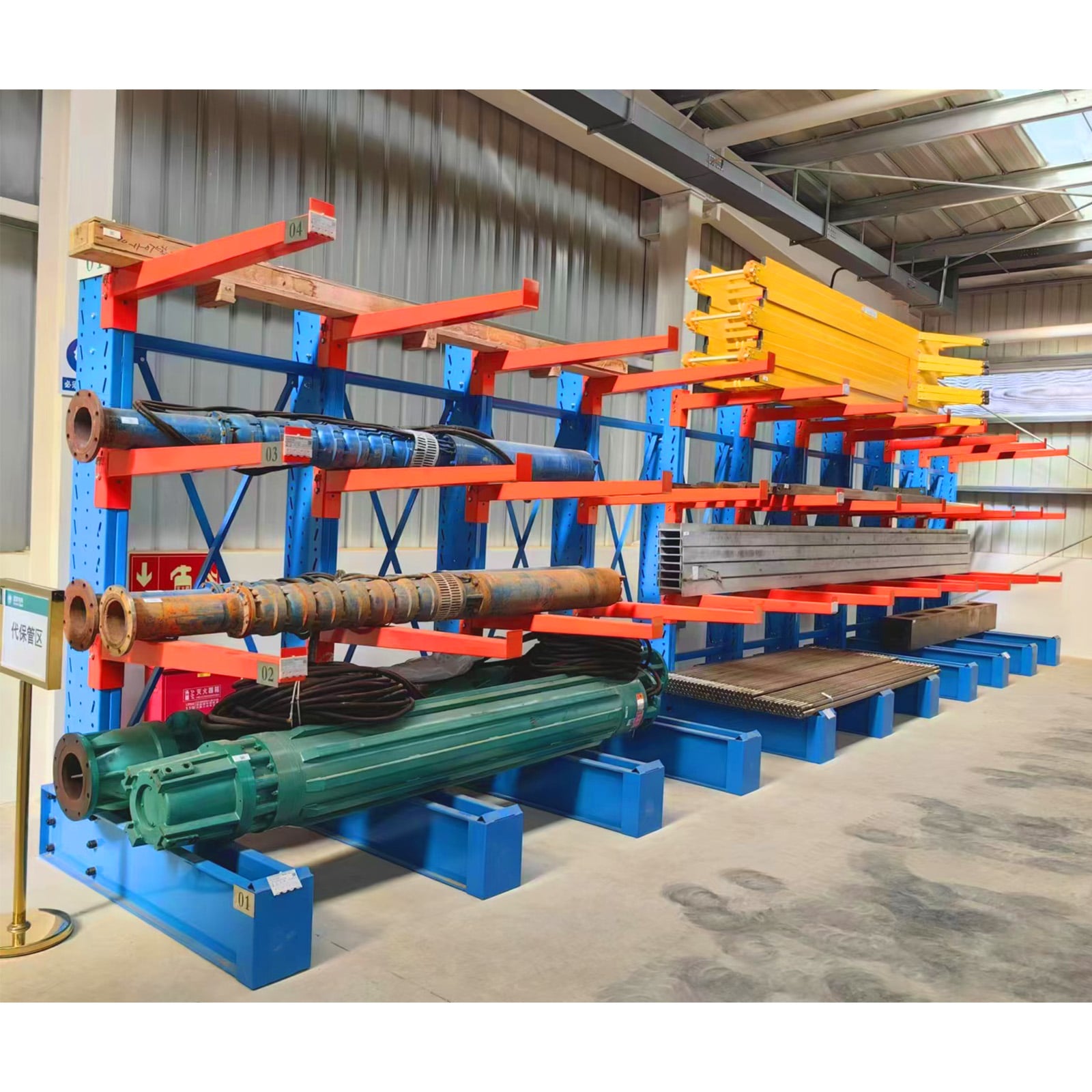
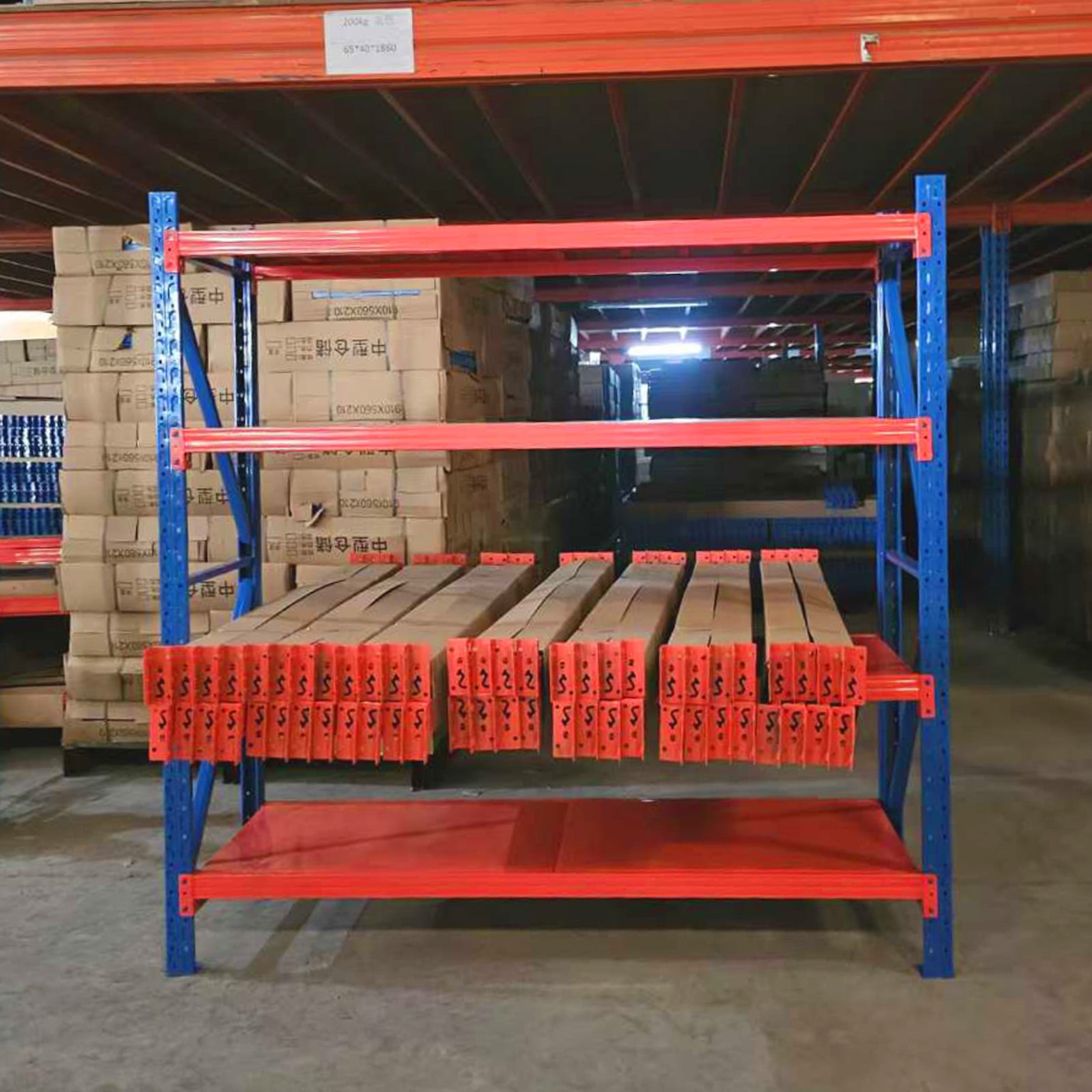
Beam Racking: Boasting strong versatility, it is suitable for storing medium-to-large items, heavy goods, and palletized cargo. Its adjustable layer spacing can meet multi-category storage needs, making it widely used in raw material warehouses of the manufacturing industry.
Shuttle Racking: Replaces manual storage and retrieval with shuttle cars to achieve high-density storage. Its space utilization rate is 30%-50% higher than that of beam racking, especially suitable for large-batch, low-turnover goods such as inventory in the food and beverage industry.
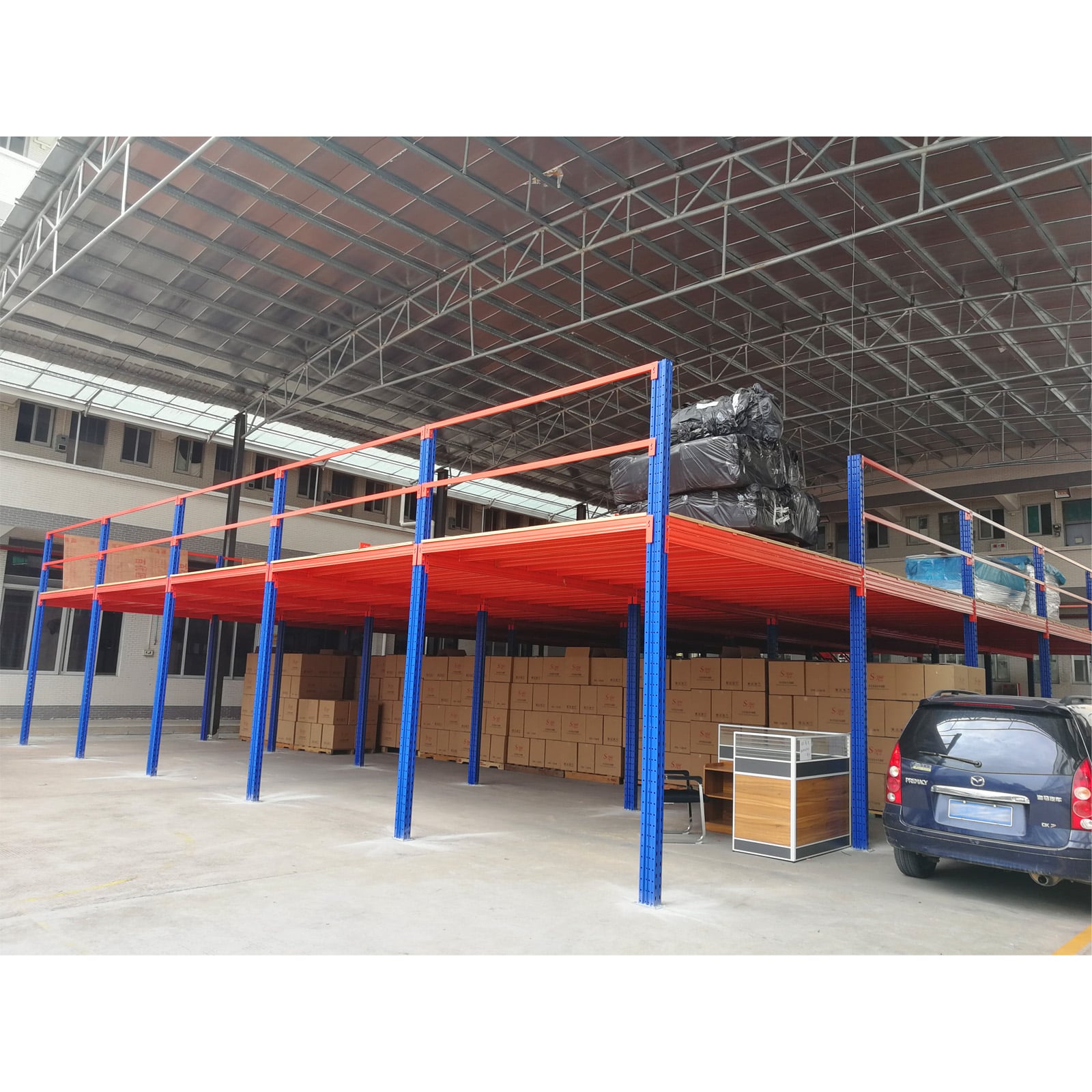
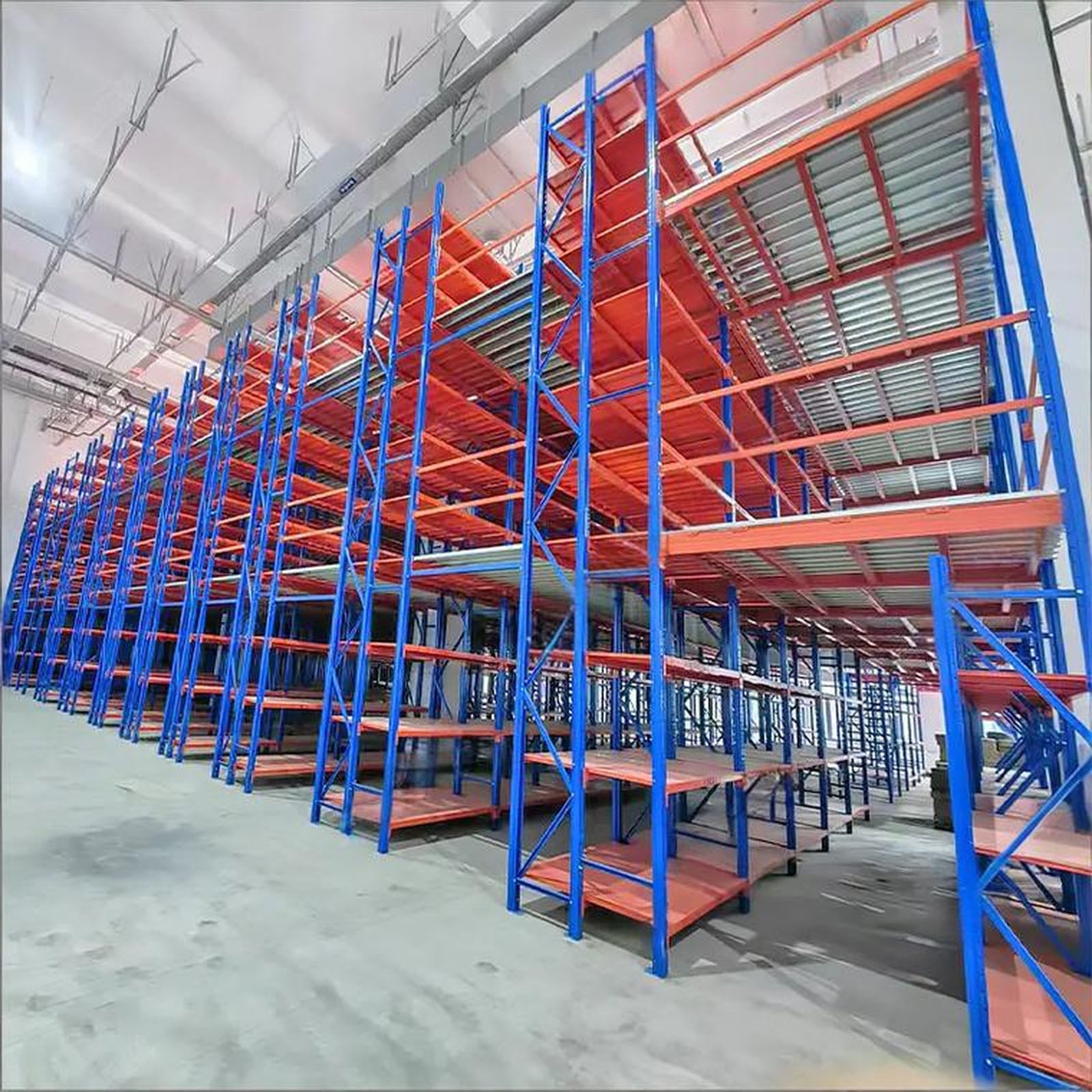
Mezzanine Racking: Converts vertical space into usable storage areas by constructing double or multi-layer platforms, doubling the warehouse floor area ratio. It is suitable for e-commerce warehouses with small items and multiple varieties. With the cooperation of stairs or hydraulic lifting platforms, it can realize efficient circulation of goods between upper and lower layers.
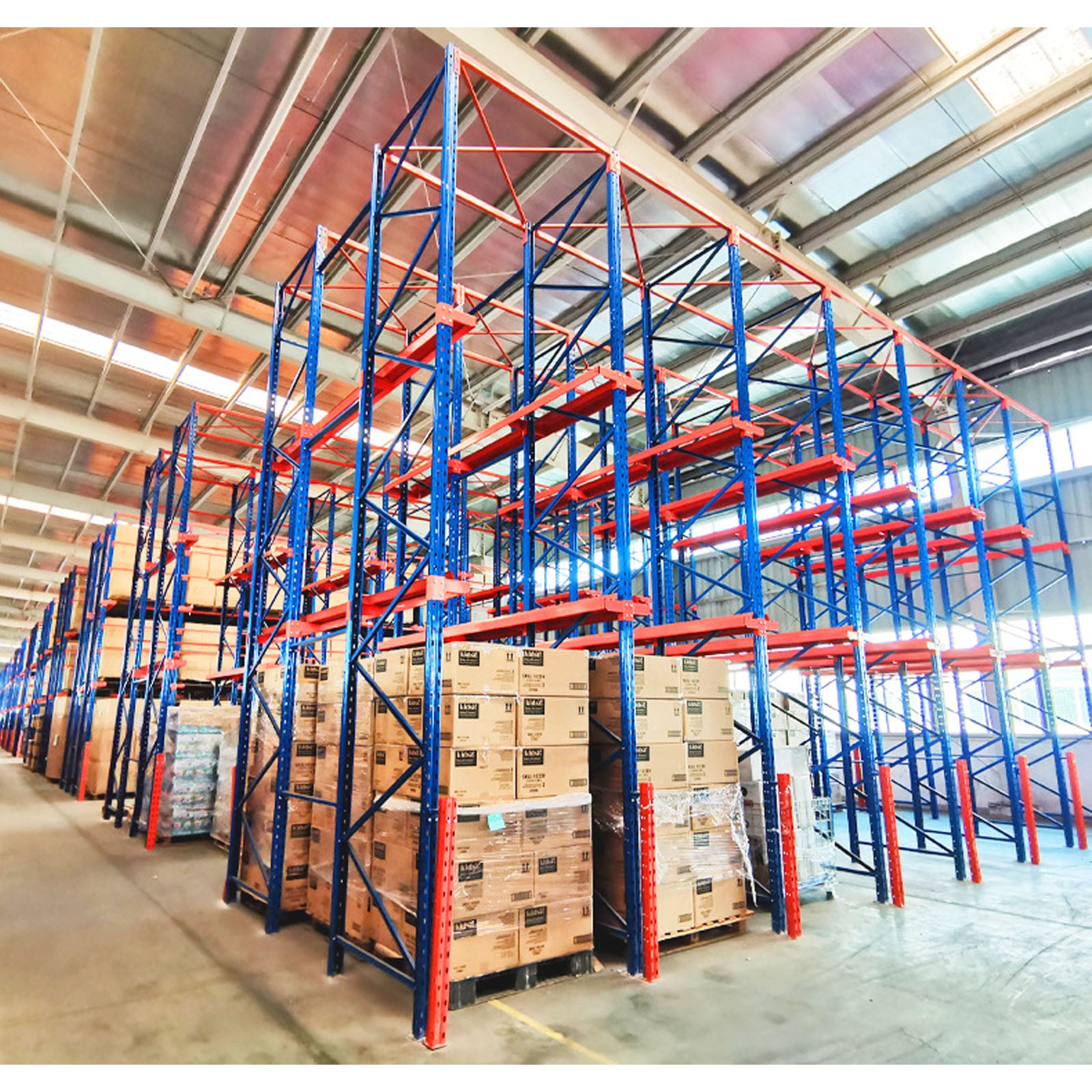
For high-turnover goods, drive-in racking should be prioritized. Its "first-in-first-out" (FIFO) storage and retrieval mode can shorten cargo handling paths and reduce forklift operation time. For warehouses with limited space, narrow aisle racking reduces the aisle width to only 1.6-2.0 meters, improving storage density without affecting forklift operations, thus being suitable for small warehouses in urban core areas. Precise shelf selection can avoid resource mismatch such as "using oversized shelves for light goods" or "overloading small shelves", reducing operational losses from the source.
II. Layout Optimization: Shortening Operation Radius through Route Design
The core of shelf layout is to construct efficient operation routes, reducing cargo handling distance and waiting time. Among common layout modes:
U-shaped Layout: Concentrates the inbound area, outbound area, and sorting area at one end of the warehouse to form a closed-loop route. Forklifts do not need to travel long distances back and forth, making it suitable for small and medium-sized warehouses.
L-shaped Layout: Separates the inbound area and outbound area at both ends of the warehouse to avoid operational cross congestion, adapting to long and narrow warehouses.
Matrix Layout: Through the neat arrangement of shelves and reasonable division of aisles, pickers can plan routes according to the "shortest path" principle, which is particularly suitable for high-frequency, multi-category picking scenarios in e-commerce warehouses.
Meanwhile, optimize shelf position allocation in combination with the ABC classification method:
Class A (high-turnover goods) (such as best-selling e-commerce products and urgently needed production raw materials): Should be placed in the middle layer of shelves (the golden picking area, 1.2-1.8 meters high) and close to the outbound area and aisles to reduce storage and retrieval time.
Class B (medium-turnover goods): Can be placed on the upper or lower layers of shelves.
Class C (low-turnover goods) (such as slow-moving products and spare parts): Can be stored on the top layer of shelves or in warehouse corners. After adjusting the layout, an e-commerce warehouse shortened the average picking path by 25% and increased the daily picking efficiency by 30%.
III. Maximizing Space: Dual Excavation of Vertical and Depth Potential
The utilization efficiency of warehouse space directly determines storage capacity, and shelf design is the key to tapping spatial potential.
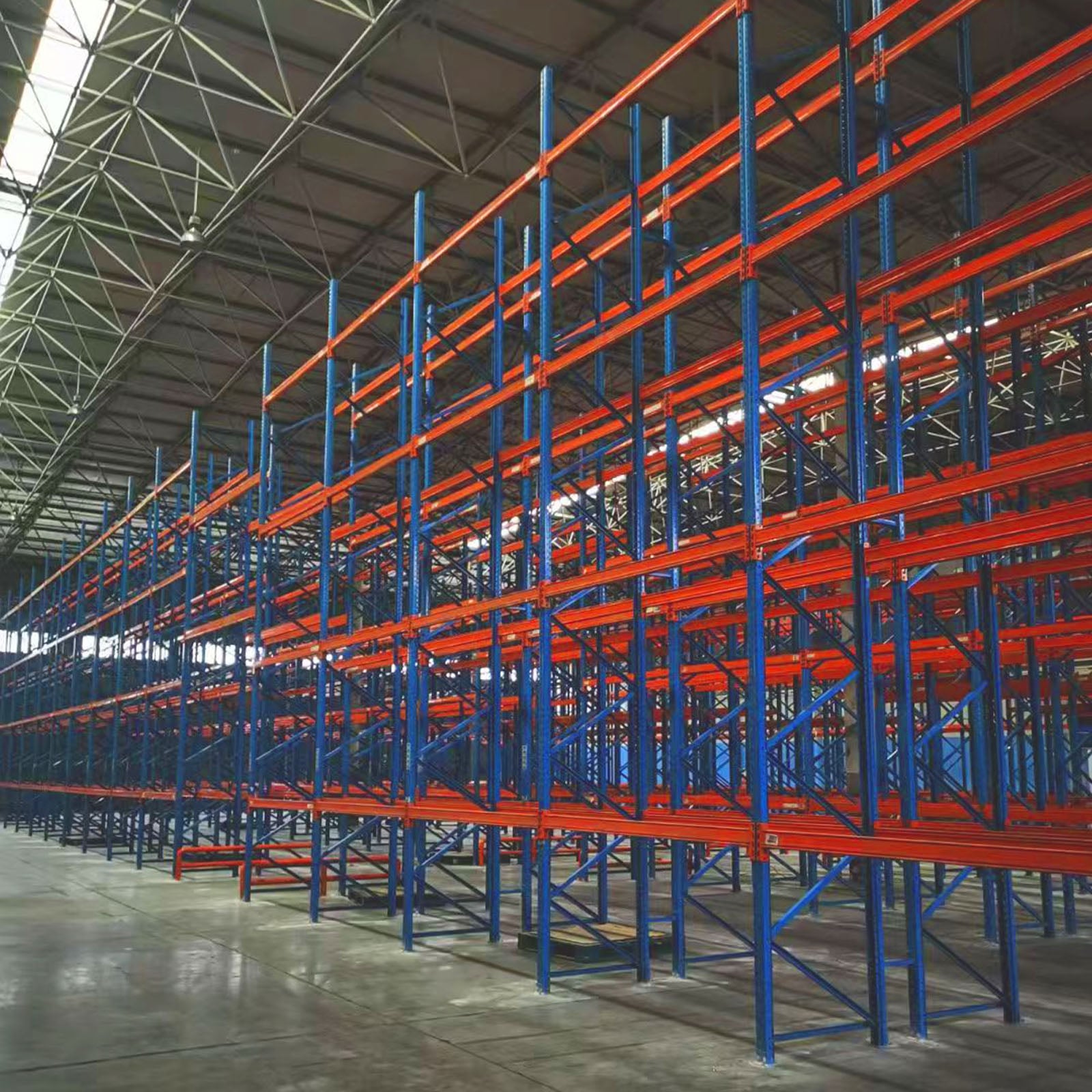
Vertical Space Utilization: The height of shelves in traditional warehouses is mostly 3-5 meters. By adopting high-rise shelves (8-15 meters high) combined with electric stackers or AGV robots, the warehouse space utilization rate can be increased by 2-3 times. Automated stereoscopic warehouses take vertical space utilization to the extreme, with shelf heights exceeding 20 meters. Combined with computer management systems, they realize automatic storage and retrieval of goods, with a storage density 4-5 times higher than that of traditional warehouses and an 80% reduction in labor costs.
Depth Space Utilization: It needs to be reasonably planned according to the cargo turnover rate. For low-turnover goods, drive-through racking or dense racking can be used to reduce the number of aisles and increase the storage capacity per unit area. For high-turnover goods, the shelf depth should be controlled (it is recommended not to exceed 3 pallet depths) to avoid inconvenience in storage and retrieval caused by excessive stacking of goods. In addition, through the precise coordination of shelves with the ground and columns, spatial dead ends are avoided. For example, designing special-shaped shelves using the gaps between warehouse columns can further improve the space utilization rate by 5%-10%.
IV. Safety and Flexibility: Building the Foundation for Efficiency
Reasonable shelf design not only pursues efficiency but also balances safety and flexibility, avoiding efficiency interruptions caused by safety accidents or insufficient adaptability.
Safety Design: Shelves must be selected with appropriate materials and load-bearing grades according to the weight of goods, and overloading is strictly prohibited. Install anti-collision rails, foot guards, and warning signs at key parts such as shelf columns and beams to prevent forklift collisions. Regularly inspect and maintain shelves, and promptly replace deformed or damaged components. A logistics warehouse once collapsed due to overloaded shelves, resulting in not only cargo losses but also a 3-day warehouse shutdown with direct economic losses of one million yuan, which highlights the importance of safety design.
Flexibility Design: Shelves should have a certain degree of adjustability and expandability to adapt to changes in cargo types and sizes, as well as the growth of business scale. Adjustable shelves can quickly adapt to goods of different sizes by adding or removing beams or adjusting layer spacing. Modular shelves can be gradually expanded according to business development, avoiding excessive one-time investment. For industries such as e-commerce and fast-moving consumer goods with rapidly updated product categories and variable sizes, flexible shelves can reduce warehouse renovation costs and enhance the ability to respond to market changes.
Conclusion
As a core link in warehouse storage optimization, shelf design essentially achieves the optimal allocation of space, time, and costs through the comprehensive balance of "adaptability, efficiency, safety, and flexibility". From precise selection to layout optimization, and from space excavation to safety and flexibility design, optimization in every link can bring significant efficiency improvements. In today’s rapidly developing logistics industry, enterprises need to abandon the traditional mindset of "valuing storage over design", integrate shelf design into the overall warehouse planning, and create personalized storage solutions in combination with their own business characteristics and development needs. In the future, with the deep integration of intelligent and automated technologies with shelf design, warehouse storage efficiency will usher in new breakthroughs, creating greater value for enterprises.

 EN
EN
 Hot News