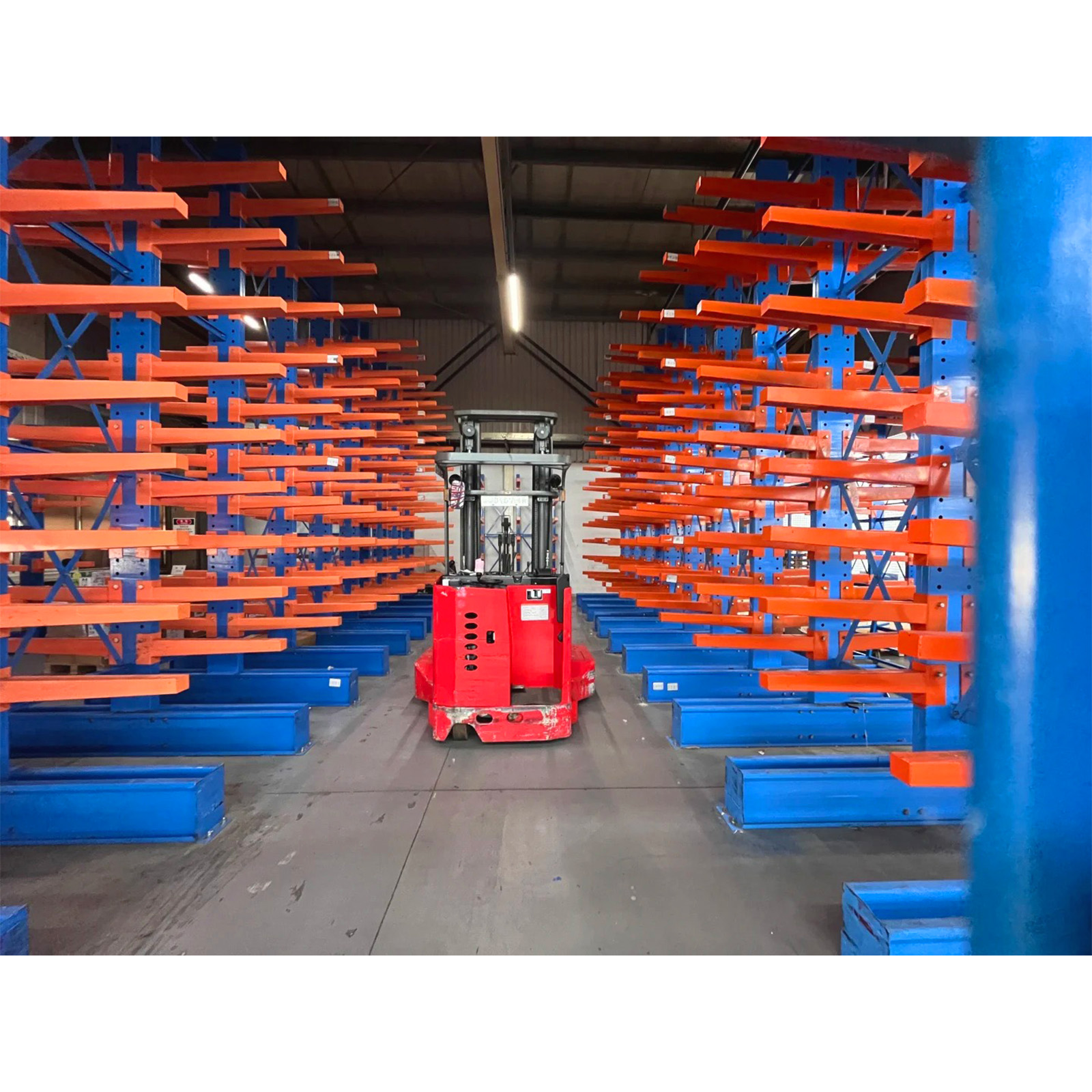
In the fast-paced world of global logistics, warehouse space has become one of the most expensive and precious assets for modern businesses. As global order volumes soar and supply chain expectations continue to tighten, warehouse managers and facility directors frequently hit a familiar wall: the facility is bursting at the seams, yet physical expansion or relocation seems financially impossible or logistically prohibitive. This is where shifting towards a high-density storage strategy transforms from a simple operational adjustment into a vital, long-term competitive advantage. By fundamentally rethinking how pallets are arranged and how vertical cubic capacity is utilized, organizations can unlock massive, previously wasted storage potential without increasing their building footprint or incurring the massive costs of new construction.
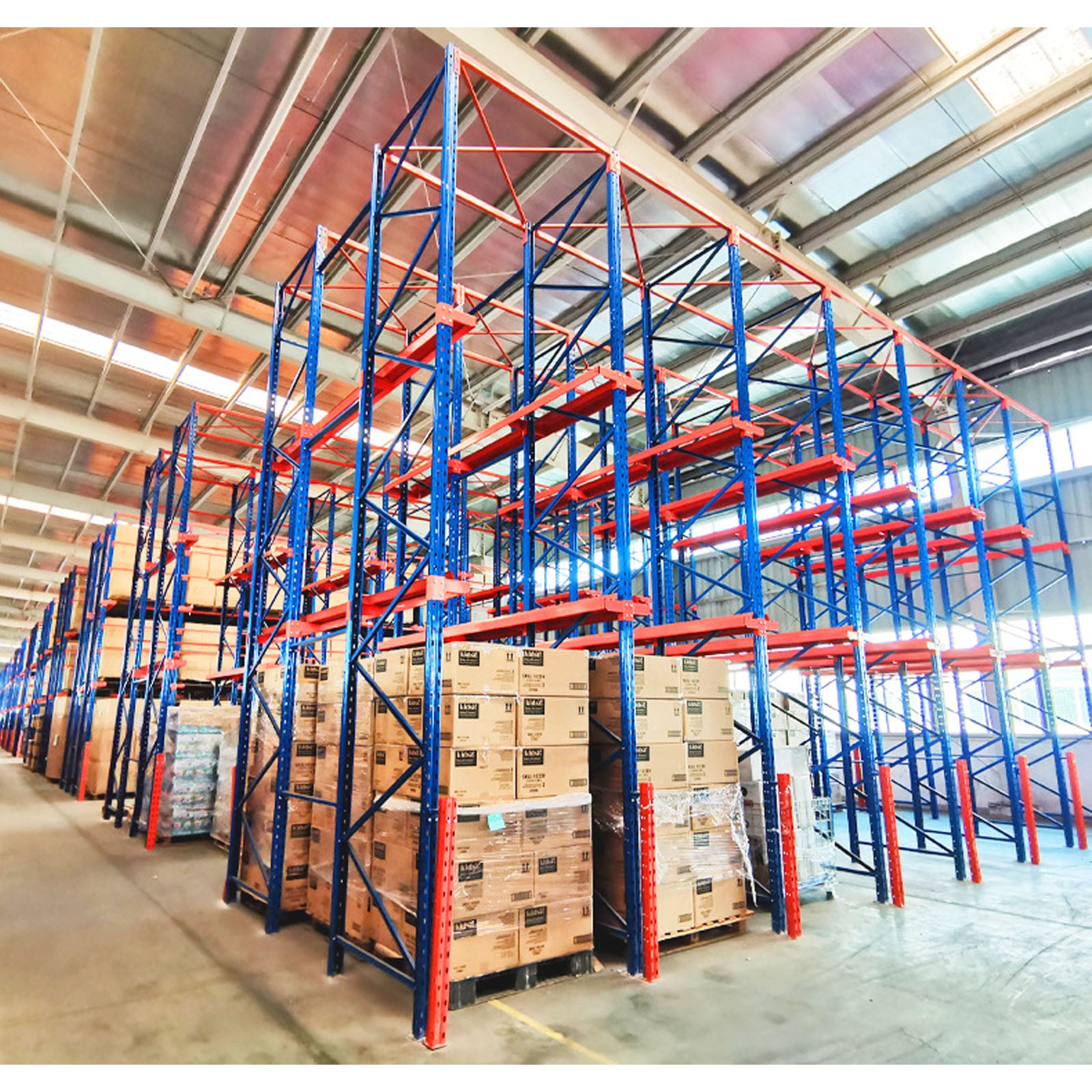
The core philosophy of high-density racking centers on reclaiming the vast amounts of space traditionally sacrificed for wide forklift aisles. In a standard selective pallet setup, aisles often consume more than half of the total floor area, leaving significant portions of the warehouse underutilized. High-density systems, such as drive-in or shuttle configurations, radically change this geometry to favor capacity. Instead of providing immediate direct access to every single individual pallet, these designs prioritize volume, density, and operational efficiency. Structural engineers look at the facility layout not as a flat, two-dimensional map, but as a three-dimensional volume to be maximized. By stacking higher and deepening the storage rows, warehouses can suddenly accommodate significantly more inventory, essentially creating a denser, more responsive storage environment that reacts fluidly to shifting market demands.
Not all high-density configurations are created equal, and selecting the incorrect system can easily introduce bottlenecks that grind warehouse operations to a sudden halt. Deciding on the appropriate racking strategy requires a keen, analytical understanding of inventory velocity, SKU diversity, and specific product profiles. For instance, companies handling bulk items with long shelf lives often find that drive-in structures—which operate on a Last-In-First-Out basis—are perfectly suited for their needs. However, if the business revolves around perishable goods, time-sensitive components, or extremely fast-moving items, a First-In-First-Out approach becomes mandatory to maintain quality. In such critical scenarios, gravity-flow or automated shuttle systems offer a more sophisticated, technologically advanced answer, ensuring that products are always accessible without manual, labor-intensive reshuffling. A deep, data-driven dive into SKU metrics and inventory cycle times is absolutely essential before any steel hits the floor to ensure long-term operational success.
Transitioning to high-density racks is about much more than just fitting in a few extra pallets; it is a total, comprehensive optimization of the entire warehouse workflow. A high-density environment demands smarter, more controlled equipment handling and significantly more refined inventory management systems. When implemented correctly, the payoff for the organization is immense. Facilities can often eliminate the need for expensive third-party storage or massive capital investments in building new annexes. Furthermore, by concentrating inventory within a smaller, tighter footprint, picking travel times for warehouse staff are drastically reduced. This efficiency ripple effect lowers the labor cost per pallet move, directly impacting the bottom line and providing the agility needed to handle massive seasonal spikes in volume without breaking a sweat. It turns a static warehouse into a dynamic, high-throughput engine.
The technical success of any high-density project rests squarely on the shoulders of robust engineering and stringent, uncompromising safety protocols. These systems must support heavy vertical loads while remaining perfectly aligned for automated machinery or precision forklift operation at height. Every single component—from the high-strength upright frames to the beam connections—must be rigorously tested against real-world stressors, dynamic loads, and local safety regulations. This is why many industry leaders turn to the specialized, advanced manufacturing capabilities of Kelida Shelf. With decades of hands-on experience in structural design, complex warehouse integration, and material logistics, Kelida Shelf brings a level of manufacturing precision and engineering rigor that ensures long-term system stability and safety. By focusing on reliable, supply-chain-focused production, Kelida Shelf delivers the precisely tailored hardware necessary to execute even the most complex storage strategies with total, unwavering confidence.
Investing in modern storage infrastructure is an ongoing, strategic journey that evolves alongside business growth. It is never just a simple, one-time equipment purchase but a long-term strategic partnership between facility operations teams and material handling experts. Whether retrofitting an older, cramped warehouse for better efficiency or designing a massive greenfield facility from the very ground up, the ultimate priority must always be scalability, flexibility, and durability. By working closely with experienced, high-output production teams like those at Kelida Shelf, organizations gain essential access to the technical expertise and the sheer manufacturing muscle required to turn a constrained, inefficient storage space into a high-performance, future-proof logistics hub. Preparing for future growth starts today with a dedicated commitment to smarter, denser, and more efficient storage architecture that supports the business at every turn.

 EN
EN
 Hot News