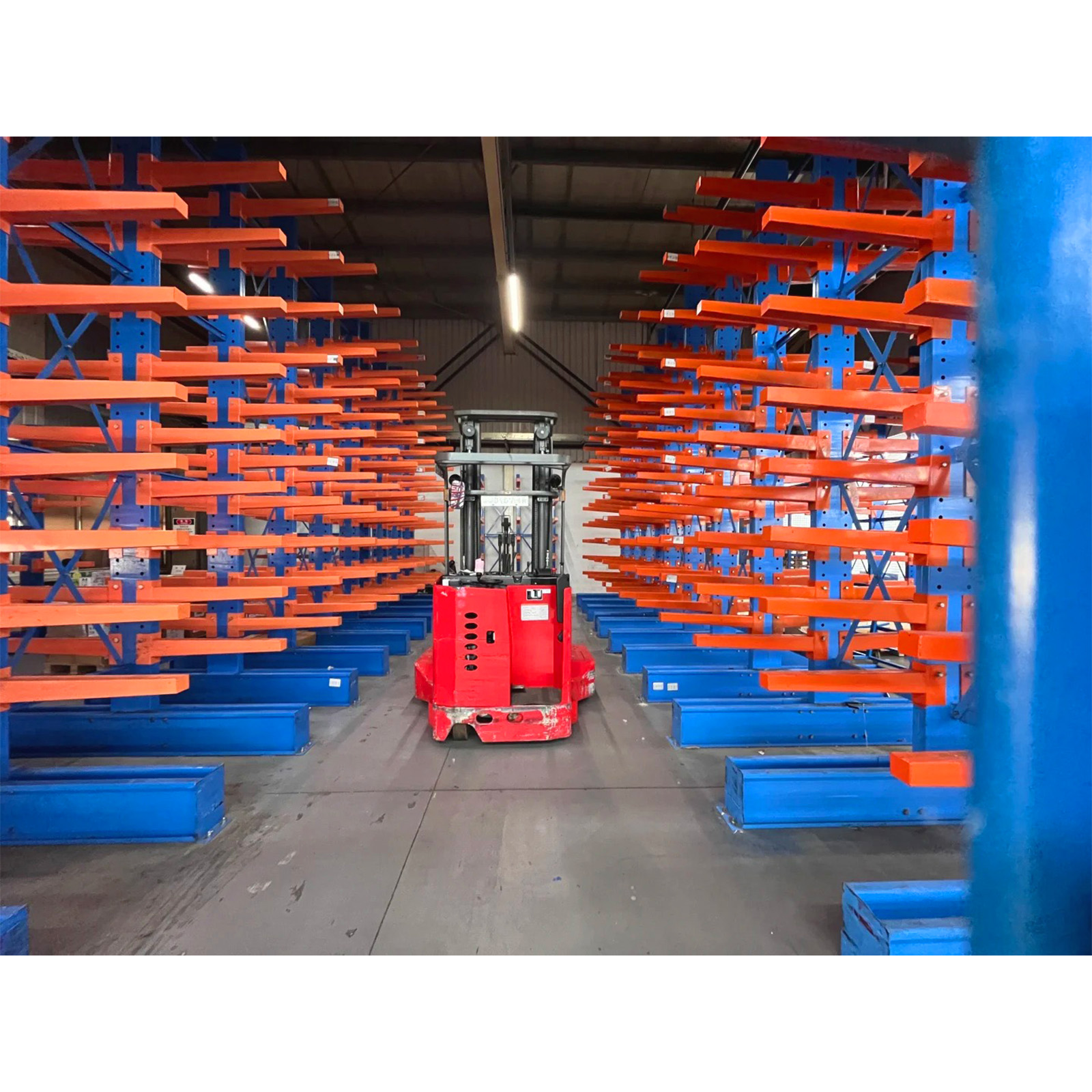
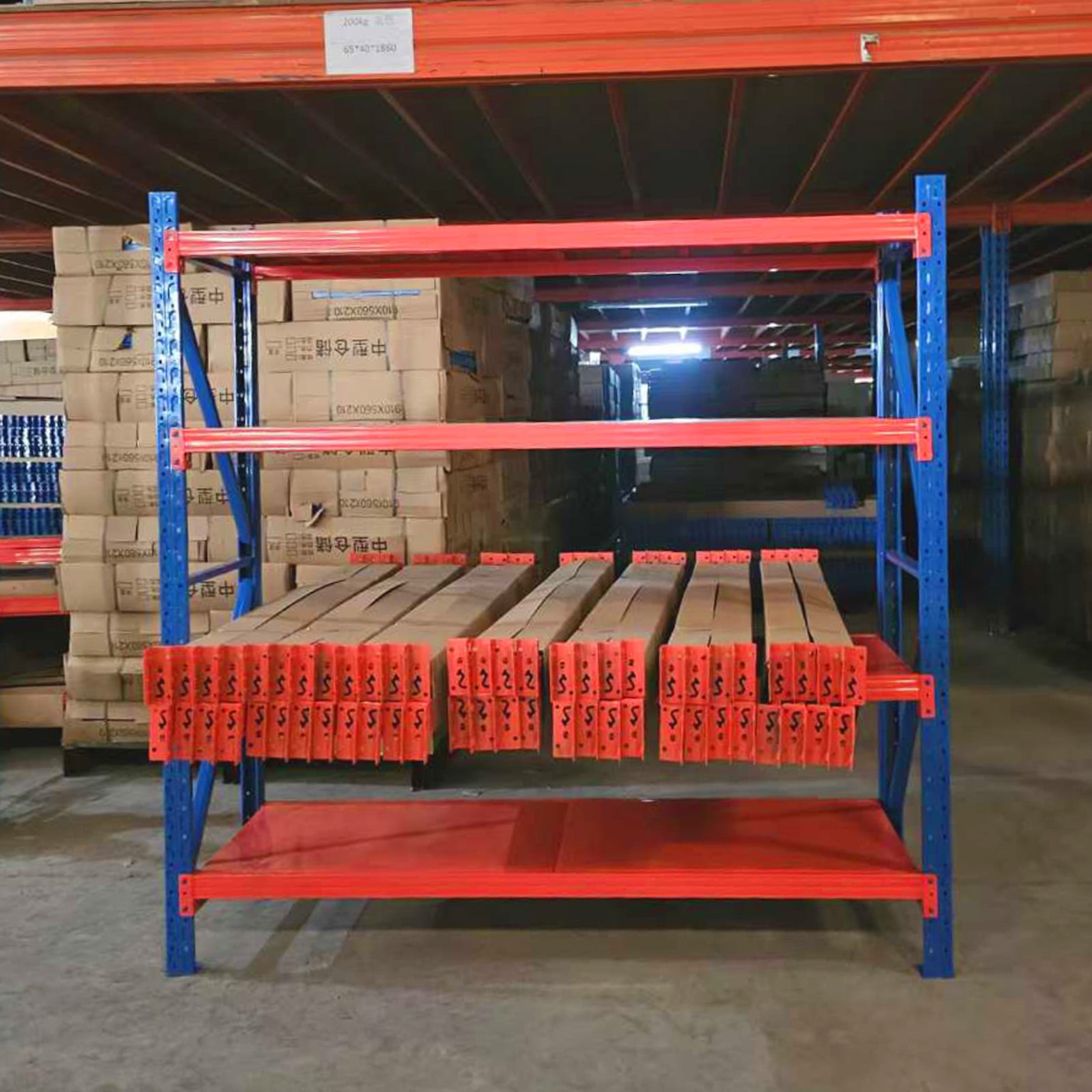
In today's ultra-competitive and fast-paced global supply chain landscape, a modern warehouse is rarely viewed merely as a passive holding space for surplus goods; rather, it functions as a critical operational nerve center that directly influences corporate profit margins, inventory accuracy, and overall customer satisfaction. As industrial e-commerce expands and manufacturing footprints grow denser, rolling out an industrial storage racking system has emerged as one of the most impactful capital investments a distribution center, logistics hub, or heavy manufacturing facility can execute. Drawing upon extensive hands-on engineering experience and field deployment across international markets, industry practitioners observe that transitioning from disorganized floor stacking to a professionally engineered racking layout typically increases usable vertical and horizontal storage capacity significantly while simultaneously reducing picking errors by nearly half. Modern facilities must move decisively beyond ad-hoc storage methods and instead adopt robust, engineered systems specifically designed to withstand heavy daily operational loads while maintaining seamless, frictionless inventory flow across all commercial sectors, distribution networks, and global warehousing environments.
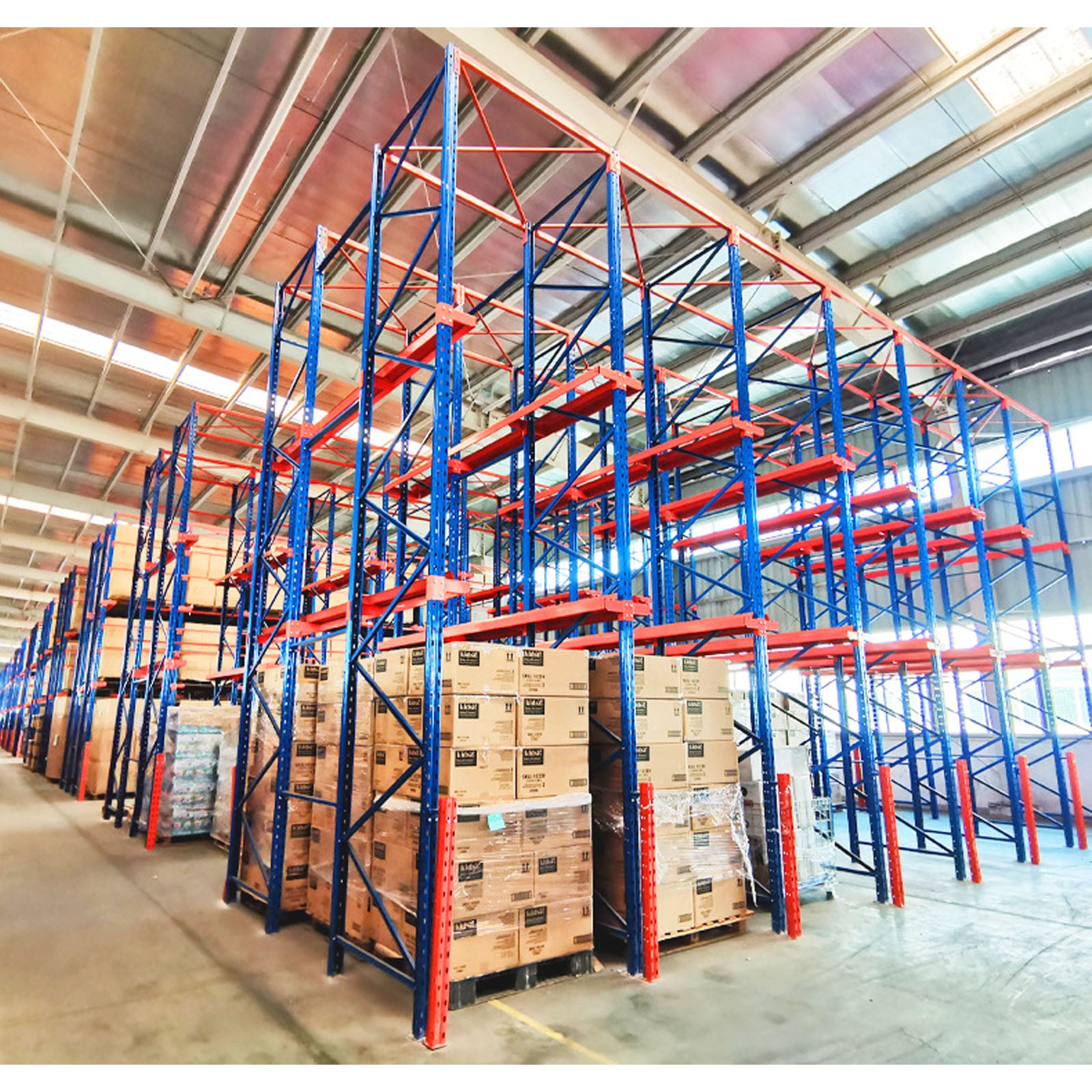
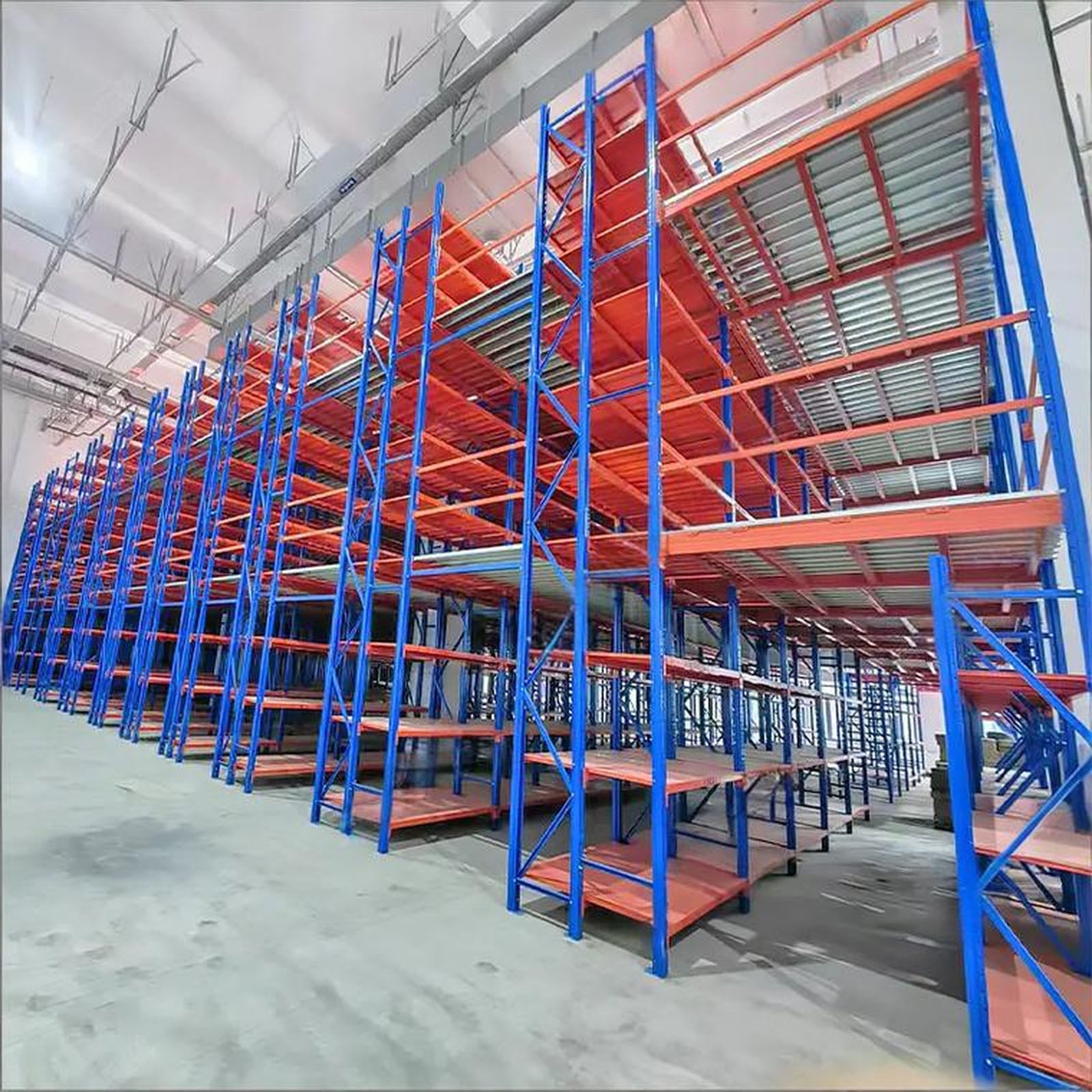
Before bolting down a single structural upright frame or anchor bolt, conducting a rigorous and comprehensive site assessment serves as an absolute prerequisite for long-term operational success. Established industry guidelines and international structural engineering standards consistently emphasize that warehouse layout design must begin with a meticulous audit of inventory characteristics, operational workflows, and material handling parameters. This critical audit encompasses SKU velocity, average and maximum pallet weight, forklift turning radiuses, aisle dimensions, and clear ceiling heights. In recent project execution reviews and engineering case studies, overlooking critical variables such as local seismic activity ratings or uneven concrete slab weight-bearing tolerances repeatedly led to costly project delays, structural compromises, and operational bottlenecks. Consequently, facility engineers must collaborate closely and transparently with operations teams, supply chain managers, and logistics planners to determine whether a standard selective pallet layout, a high-density drive-in storage configuration, a narrow aisle system, or a multi-tier mezzanine shelving system best matches the specific throughput, turnover, and handling requirements of the facility.
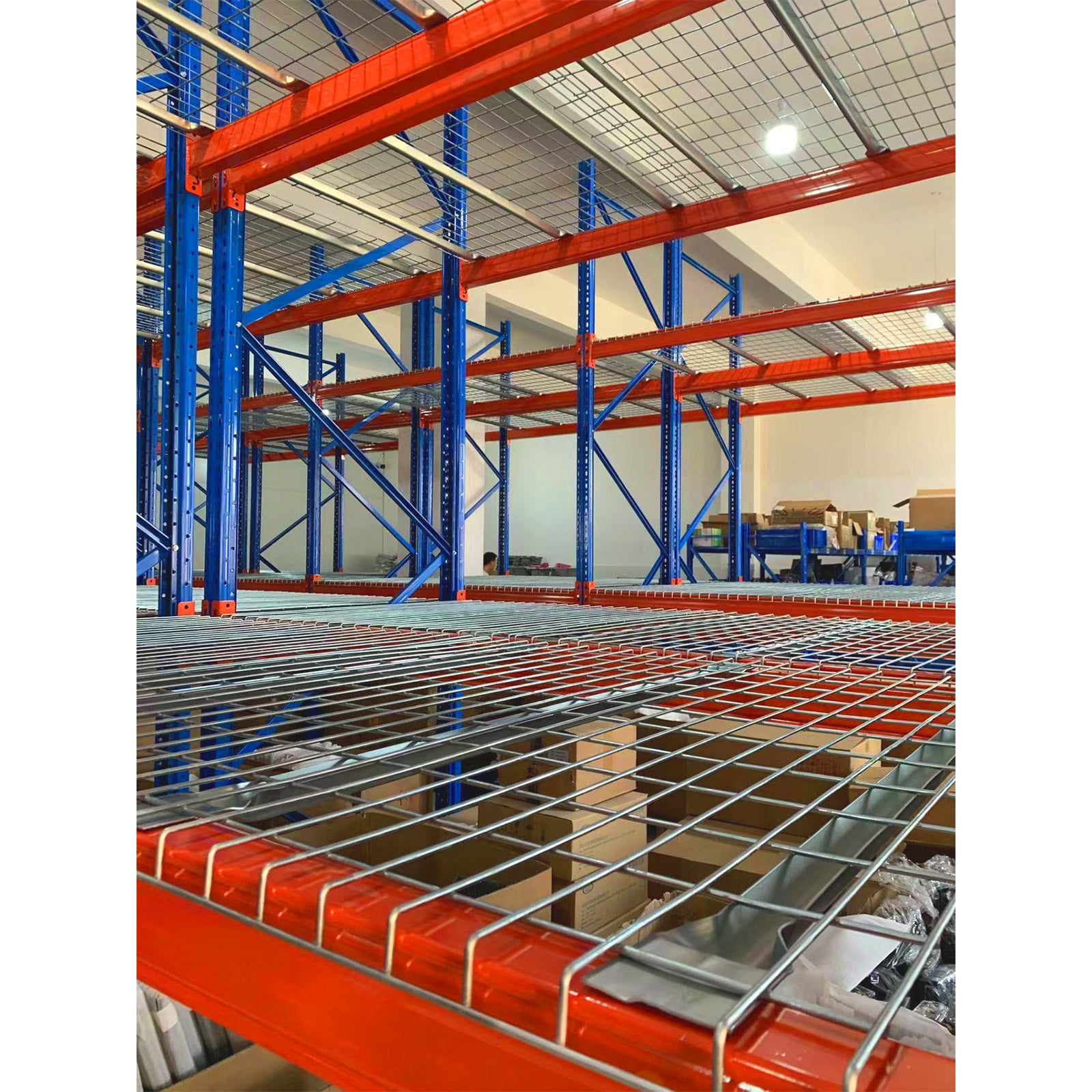
Safety, structural integrity, and regulatory compliance form the absolute bedrock of any successful warehouse infrastructure deployment and long-term facility operation. According to authoritative guidelines published by the Rack Manufacturers Institute (RMI), the European Racking Federation (ERF), and various international occupational health and safety standards, an industrial storage racking system must be meticulously calculated, engineered, and certified for dead loads, live loads, seismic factors, and dynamic impact margins. Throughout the preliminary design and prototyping phase, advanced finite element analysis (FEA), computer-aided structural modeling, and rigorous load distribution testing ensure that structural uprights, horizontal beams, connector clips, and safety locking pins can withstand the grueling demands of high-intensity industrial environments without succumbing to metal fatigue or structural deflection. Furthermore, selecting certified, high-grade raw structural steel and implementing robust column protectors, corner guards, and safety barriers effectively safeguards both warehouse personnel and high-value inventory against accidental forklift collisions and operational mishaps, thereby upholding the highest benchmarks of corporate responsibility, worker protection, and regulatory trust.
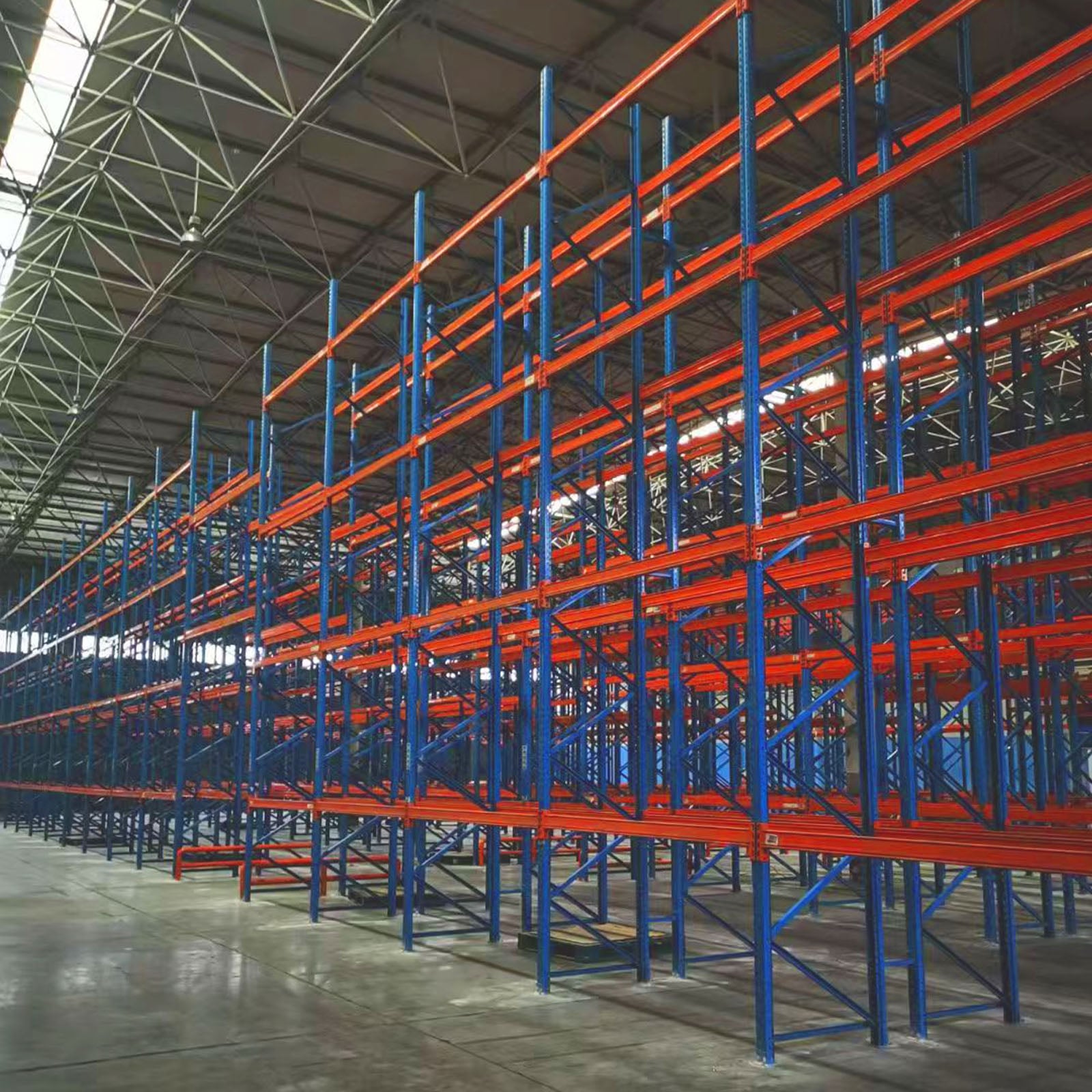
The ultimate measure of a successful warehouse storage implementation lies in its profound ability to maximize both vertical cube utilization and horizontal floor efficiency. By strategically deploying high-density storage solutions—such as double-deep pallet racks, gravity flow systems, or cantilever configurations—alongside standard selective lines, modern warehouse managers can successfully eliminate wasted dead-space corridors and significantly streamline material handling pathways. Empirical operational data from major distribution centers indicates that optimized slotting strategies, coupled with well-planned vertical racking heights, reduce average order retrieval and picking travel times substantially. This acceleration translates directly into lower labor overhead costs, faster order fulfillment cycles, and an enhanced corporate capability to scale inventory volume rapidly without requiring expensive physical building expansions or real estate footprint increases. Moreover, this spatial optimization directly boosts return on investment (ROI) by maximizing every single square meter of leased or owned facility space.
Executing a seamless, long-lasting warehouse infrastructure upgrade requires far more than merely sourcing standard off-the-shelf components from generic suppliers; it demands a trusted, experienced manufacturing partner capable of delivering end-to-end customization, flawless engineering calculations, and uncompromised quality control. Kelida stands out globally as a premier industrial storage solutions provider with over twenty years of dedicated industry expertise, specializing in heavy-duty pallet racking, drive-in systems, cantilever racks, and advanced warehouse mezzanine solutions. Backed by robust in-house manufacturing capabilities, state-of-the-art automated rolling lines, strict raw material inspections, and comprehensive engineering support spanning from initial CAD layout design to on-site installation guidance, Kelida consistently delivers stable, customized storage solutions that empower global warehouses to maximize operational efficiency, ensure absolute safety compliance, and secure sustainable, long-term commercial growth across worldwide export markets. Ultimately, partnering with an expert manufacturer bridges the gap between theoretical planning and flawless physical execution, transforming complex logistical challenges into lasting competitive advantages and driving robust operational excellence for modern enterprises worldwide.

 EN
EN
 Hot News