Choosing industrial storage infrastructure is often treated as a basic logistical chore, yet savvy business leaders understand it as a core capital investment. When facility operators look into expanding or rearranging a distribution hub, picking the right pallet racking system directly dictates long-term return on investment. A poorly optimized layout inflates labor overhead, slows down handling speed, and drains profitability through daily operational bottlenecks. Conversely, an economically engineered storage framework transforms every single square foot of available real estate into a high-yielding, profit-generating asset. Field evaluations across multiple regional distribution centers consistently show that facilities treating storage as a strategic financial lever achieve faster inventory turns and lower cost-per-order metrics. Financial success in modern warehousing hinges on balancing initial capital outlay with enduring operational savings, ensuring that every steel upright and load beam contributes directly to the enterprise bottom line rather than becoming a perpetual overhead burden. Furthermore, aligning storage architecture with future SKU diversification ensures that businesses can scale seamlessly without triggering costly structural overhauls or premature facility relocations down the line.
Evaluating warehouse storage options requires a clear-eyed comparison between upfront capital expenditures and ongoing operational costs over the entire lifecycle of the facility. While low-cost, generic racking configurations might look appealing on an initial purchasing balance sheet, they frequently trigger hidden expenses down the road. Inferior steel quality or inadequate profile thickness often leads to premature structural fatigue, frequent maintenance interventions, and expensive replacement cycles. On the other hand, investing in premium-grade industrial storage systems minimizes long-term lifecycle costs quite dramatically. By optimizing worker travel paths, reducing picking errors, and accelerating order fulfillment speeds, an efficient setup pays for itself through cumulative labor efficiency. Asset depreciation, insurance premiums tied strictly to safety compliance, and maintenance overhead all shift favorably based on the initial caliber of the chosen racking architecture, making long-term fiscal prudence the ultimate guiding principle for warehouse buyers seeking sustainable commercial growth.
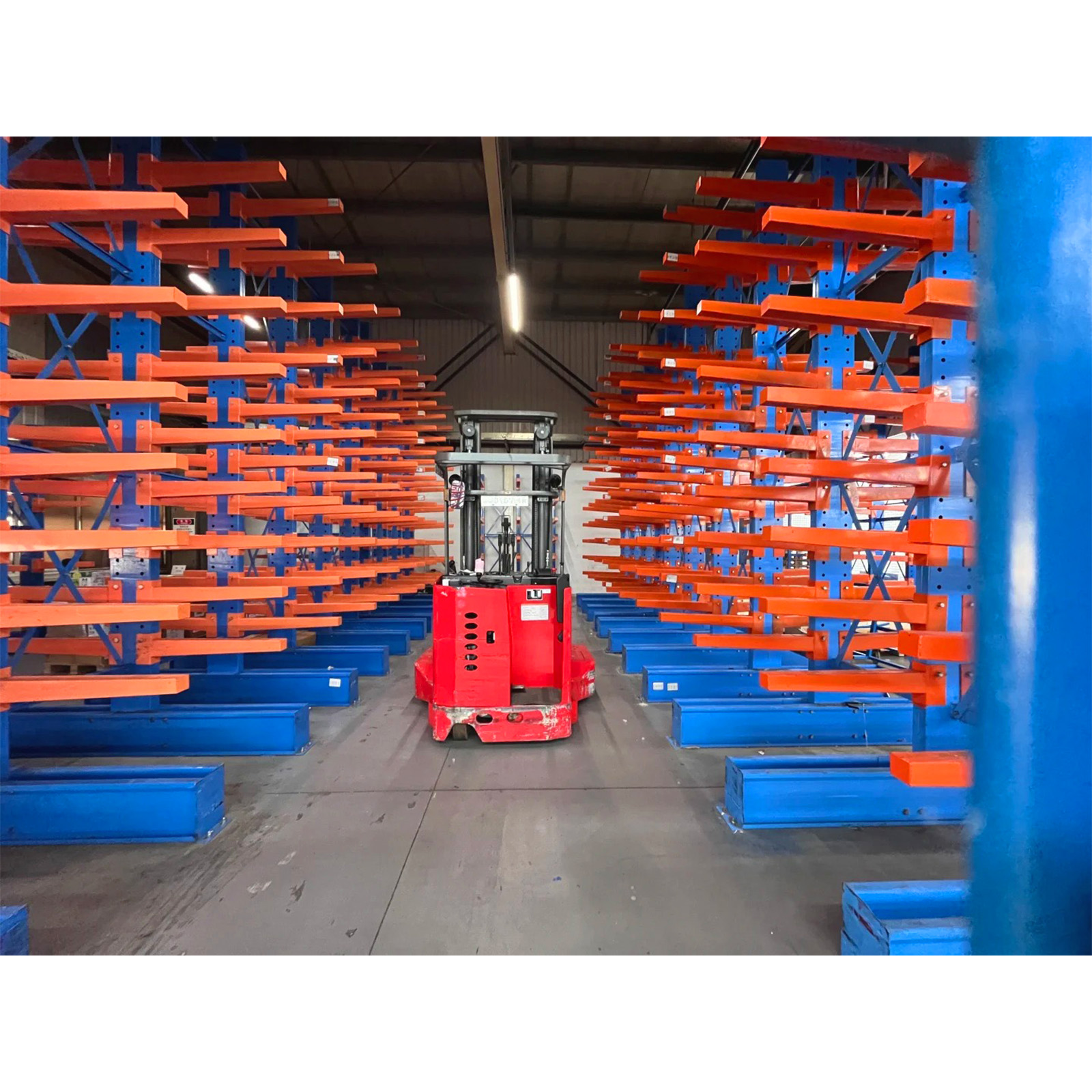
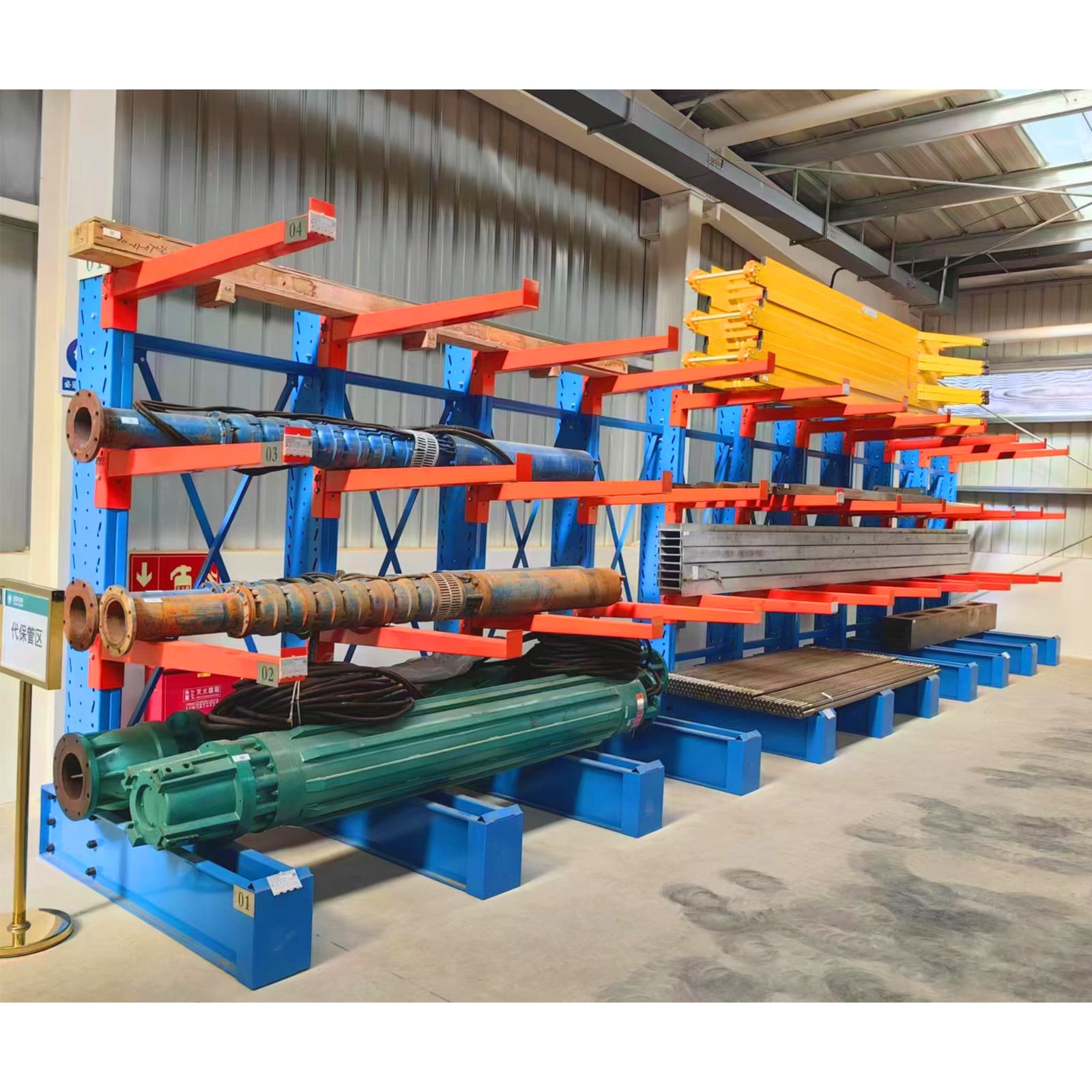
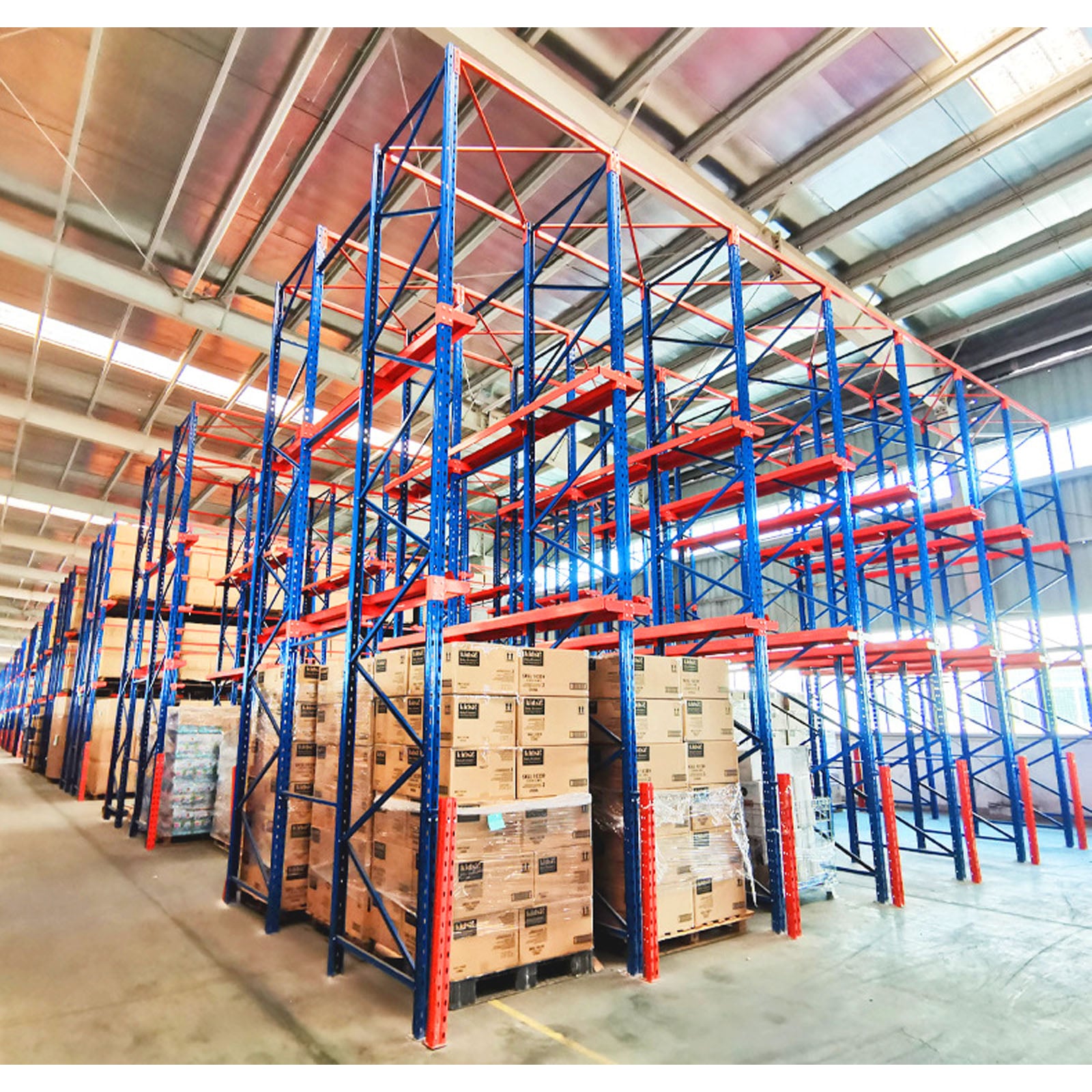
Maximizing financial return requires matching the specific racking configuration directly to inventory velocity and stock-keeping unit characteristics. Facilities handling high-turnover goods often benefit from selective or narrow-aisle racking, which trades raw storage density for total product accessibility and rapid first-in, first-out processing flows. This setup reduces the time operators spend searching for items, directly lowering labor overhead per transaction. Conversely, operations managing bulk inventory with lower turnover frequencies achieve superior financial returns through high-density solutions like drive-in, push-back, or double-deep systems. These configurations drastically compress the storage footprint, reducing the need for costly building expansions or off-site warehousing leases. Selecting the wrong density-to-accessibility ratio freezes capital in slow-moving stock or inflates real estate overhead, underscoring the critical need for a tailored financial and spatial alignment strategy. Additionally, evaluating seasonal demand fluctuations helps facility operators dynamically adjust internal slotting strategies, ensuring maximum productivity regardless of peak shipping cycles.
Financial risk mitigation is a cornerstone of smart asset management, and industrial storage is certainly no exception. Selecting racking systems built to rigorous international engineering standards, such as recognized rack manufacturing guidelines and global quality frameworks, safeguards businesses against catastrophic failure, expensive legal liabilities, and regulatory penalties. Furthermore, incorporating robust structural protections like heavy-duty column guards, secure beam locking mechanisms, and wire mesh safety panels prevents accidental forklift damage during hectic daily shifts. Replacing a damaged upright or handling a workplace injury drains capital that could otherwise fund business growth and market expansion. Transparent engineering documentation, load capacity certifications, and finite element analysis reports provide facility stakeholders with complete assurance that their investment will endure decades of heavy industrial use without incurring unexpected remediation costs, thereby optimizing the total cost of ownership and protecting enterprise value over the long run.
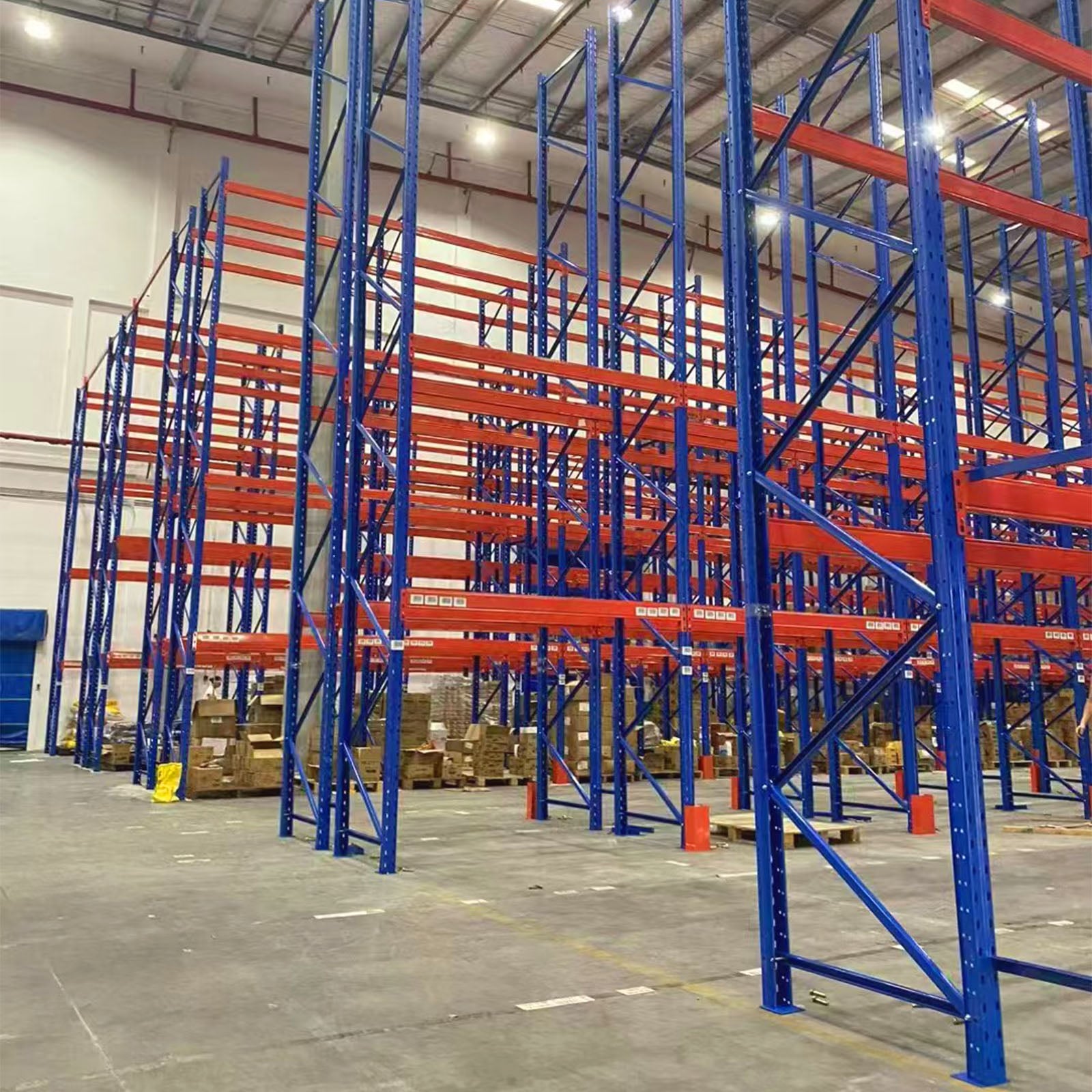
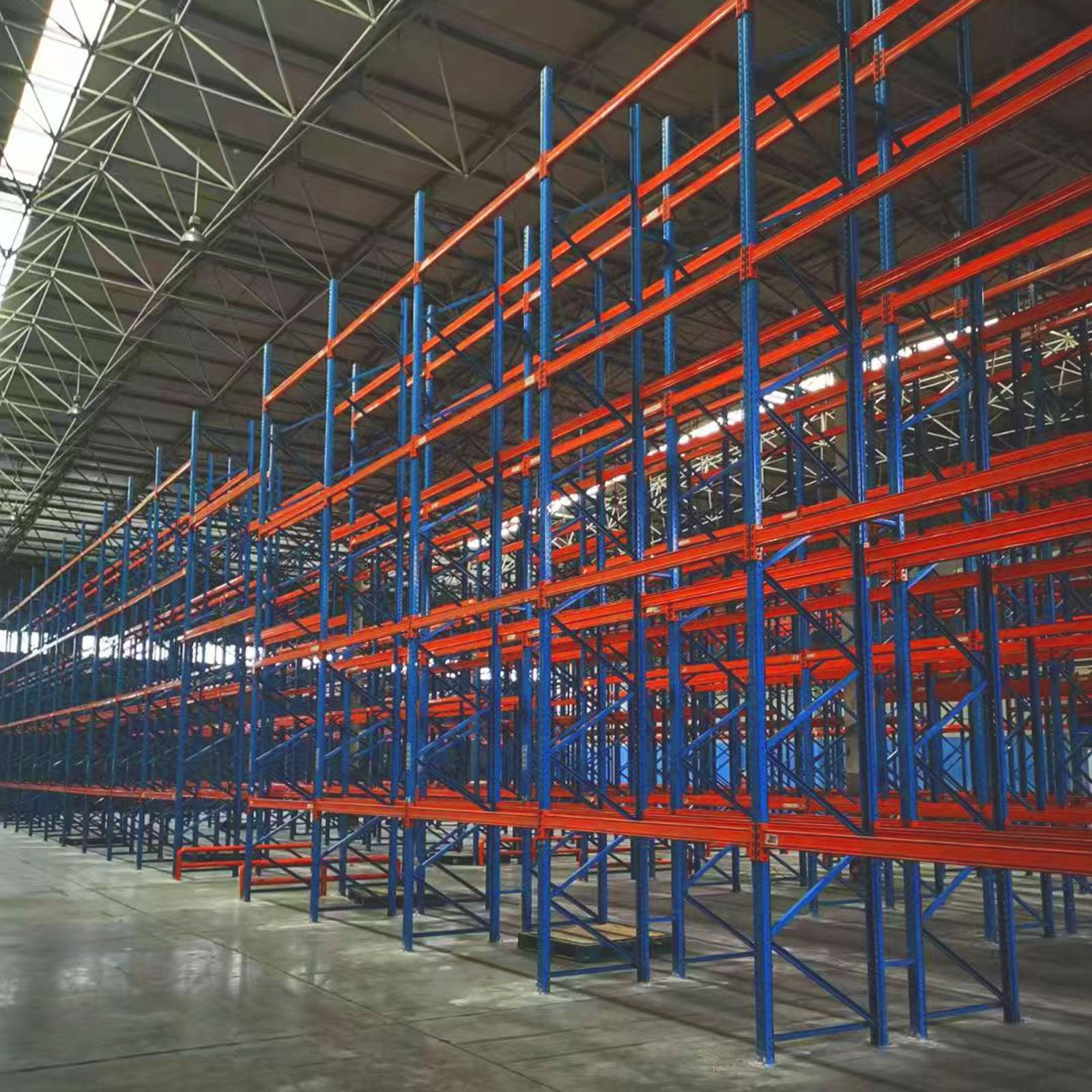
Real estate represents one of the most significant recurring expenses for any logistics operation worldwide. Warehouse rent and facility construction costs continue to rise across major industrial hubs, making vertical space utilization a primary driver of financial efficiency. Selecting a storage system that effectively leverages vertical clearance allows businesses to store more inventory within the same physical footprint, effectively lowering the cost per pallet position. By integrating high-bay racking systems alongside specialized material handling equipment like reach trucks or automated stacker cranes, facility managers can double their storage capacity without purchasing additional land or constructing expensive new buildings. This vertical expansion capability protects capital reserves and delivers an immediate, measurable financial return by transforming dead air space into active, revenue-producing storage capacity that supports long-term commercial scalability and operational resilience.
Achieving optimal financial returns on industrial storage infrastructure requires collaborating with a manufacturing partner capable of delivering uncompromised quality, precision engineering, and dependable supply chain support. Kelida stands out in the global market by integrating advanced production technologies, including high-precision computer numerical control machinery, automated punching lines, and eco-friendly powder-coating systems. Every storage component undergoes rigorous quality assurance protocols, from raw material testing to salt-spray corrosion resistance evaluations. Supported by extensive international export experience and tailored engineering consultation, Kelida delivers engineered-to-order pallet racking solutions that combine absolute safety, economic value, and exceptional durability. Choosing Kelida empowers warehouse operators worldwide to secure a high-performance storage foundation that optimizes operational margins, safeguards capital investments, and drives long-term business profitability in a dynamic global market.
 EN
 Hot News