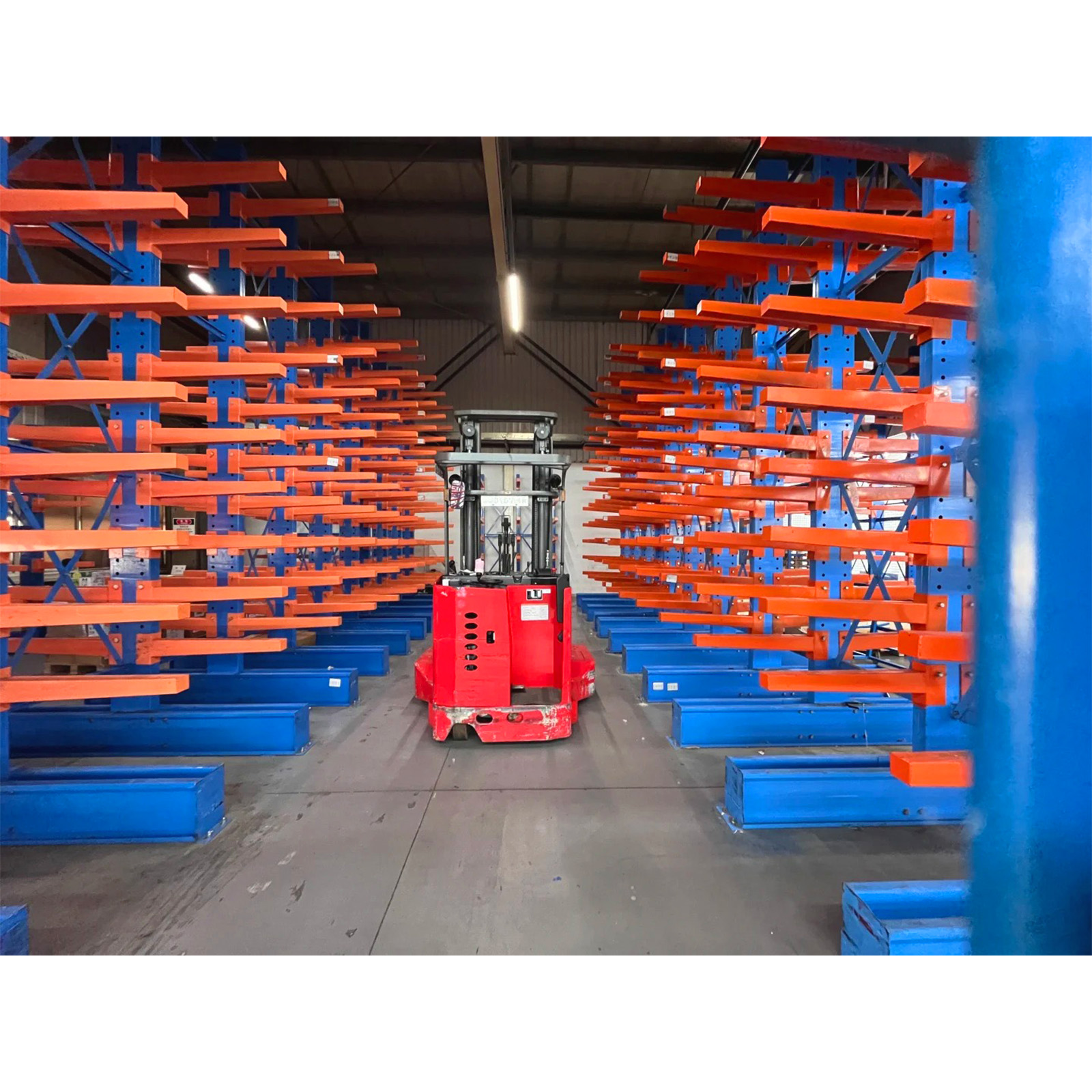
Effective warehouse management usually begins long before the first forklift rolls onto the floor; it starts right at the drawing board with thoughtful pallet racking system design. In today's fast-moving global supply chain world, storage racks are far more than passive steel frames holding boxes. Instead, they act as active engines driving daily operational speed, inventory accuracy, and overall capital efficiency. When a facility layout is engineered correctly, every single meter of vertical clearance gets maximized while transit times for warehouse operators drop significantly. Treating the physical racking layout as a vital piece of the broader supply chain puzzle helps facility managers eliminate operational bottlenecks, cut picking mistakes, and protect logistics workflows from unexpected market shifts. Facilities that prioritize initial spatial planning see noticeable improvements in overall throughput efficiency compared to operations relying on generic, off-the-shelf layouts, ensuring long-term business expansion does not require premature and costly warehouse relocations. Furthermore, comprehensive spatial planning allows logistics teams to seamlessly integrate emerging automation technologies, such as automated guided vehicles and goods-to-person picking stations, without needing to overhaul their foundational steel infrastructure down the road. Strategic spatial design also accommodates future inventory diversification, enabling facilities to effortlessly adapt to fluctuating SKU profiles, seasonal surges, and omni-channel fulfillment demands without sacrificing operational continuity or compromising workplace ergonomics. Global distribution leaders increasingly recognize that the architectural layout of storage systems directly correlates with order-to-fulfillment speed, labor cost optimization, and overall enterprise profitability in an intensely competitive international marketplace.
At the core of any sturdy racking setup lies high-level material science and dependable structural engineering. Upright frames and horizontal beams must be crafted from top-tier structural steel, typically shaped through specialized cold-rolled manufacturing techniques that boost load-bearing capacity without introducing material fatigue or micro-fractures. Industry structural mechanics principles require engineers to carefully account for combined dead loads, live dynamic pressures, seismic shifts, wind loads, and environmental factors while factoring in healthy safety buffers well beyond standard operating capacities. Paying close attention to profile thickness, column shapes, connection tolerances, and base plate distribution ensures the complete structure stands strong under heavy, repetitive workloads. Understanding these foundational engineering traits is key to avoiding structural deformation, mitigating catastrophic risks, and keeping daily operations running smoothly for years while protecting valuable human assets on the warehouse floor. Structural resilience is not merely about surviving static weight; it requires dynamic adaptability against continuous mechanical stress, thermal variations, and minor unintended impacts from daily operations. Rigorous computer-aided engineering and finite element simulations further validate how upright frames react under extreme stress, ensuring ultimate reliability across diverse operational environments. Metallurgy and corrosion resistance also play critical roles in ensuring that steel uprights maintain their structural integrity even in humid or temperature-controlled cold-chain environments, safeguarding long-term capital investments.
One of the trickiest puzzles in warehouse layout planning is finding the right sweet spot between high storage density and easy product accessibility. Facilities dealing with fast-moving inventory often lean toward selective or narrow-aisle setups to guarantee total SKU visibility and smooth first-in, first-out processing flows. On the flip side, operations managing bulk goods with lower turnover rates thrive using high-density configurations like drive-in, double-deep, or push-back racking systems. The real secret lies in matching the physical layout directly with everyday material handling machinery, such as electric reach trucks, articulated narrow-aisle trucks, or automated stacker cranes, ensuring aisle dimensions and turning paths work together harmoniously. Striking this balance prevents costly traffic congestion, reduces equipment wear and tear, and ensures that inventory velocity matches modern customer fulfillment expectations across diverse international markets. Additionally, evaluating seasonal demand fluctuations helps facility operators dynamically adjust their internal slotting strategies, ensuring maximum productivity regardless of peak shipping cycles. Effective slotting optimization combined with optimized aisle configurations drastically minimizes travel time for warehouse pickers, transforming raw storage space into a highly agile fulfillment powerhouse that consistently meets tight delivery service level agreements. Understanding warehouse velocity profiling enables facility designers to create hybrid layouts that combine high-density bulk storage with high-accessibility pick faces, maximizing every square foot of available real estate.
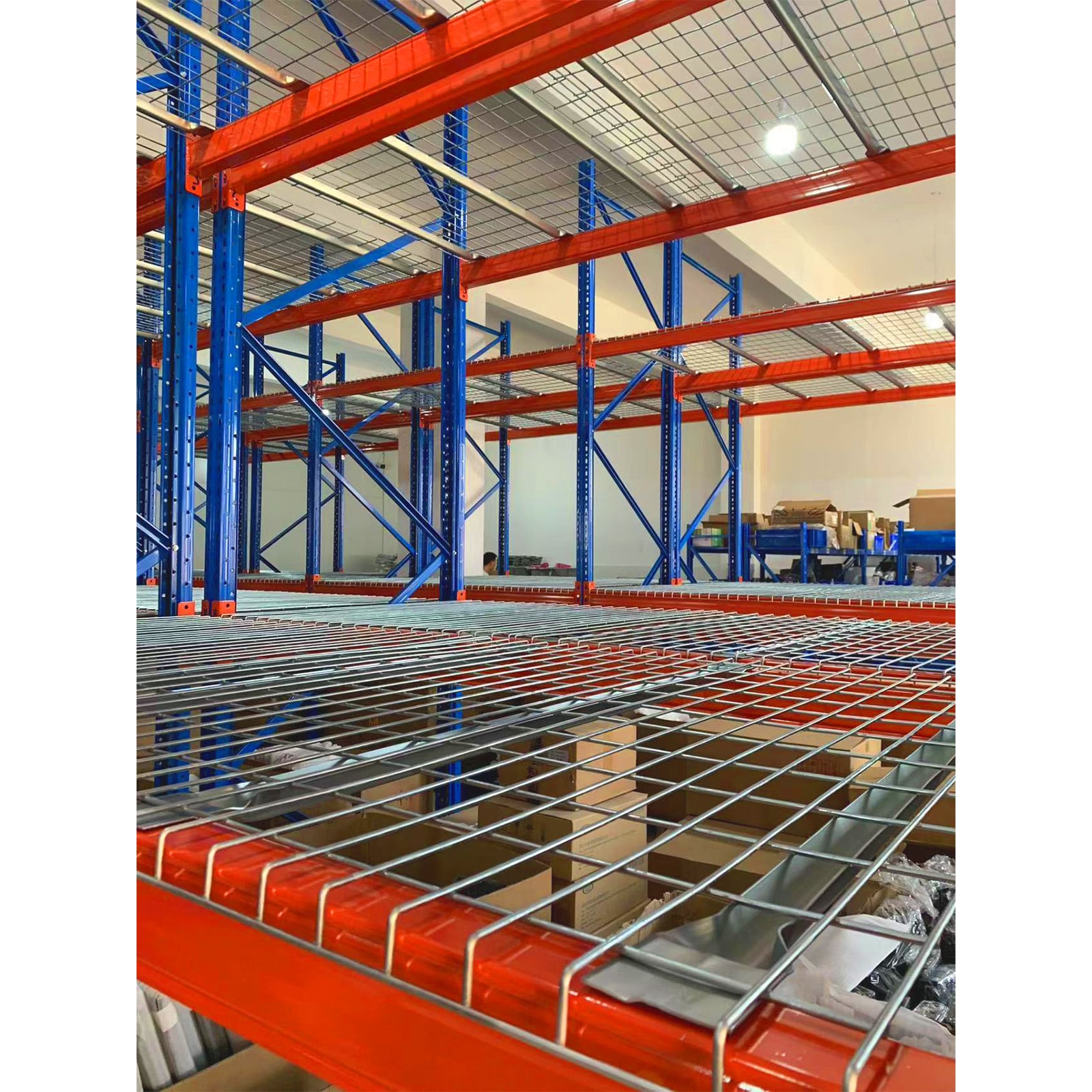
Building lasting trust in industrial storage solutions relies heavily on strict alignment with recognized international safety guidelines and quality frameworks. Leading manufacturing setups typically follow established global benchmarks such as rack manufacturing institutes, European federation standards, and rigorous quality management systems. Every proper installation needs to incorporate essential protective additions, such as heavy-duty column guards to absorb accidental forklift impacts, anti-collapse mesh wire panels, secure safety beam locking pins, and clearly visible load capacity notices. Providing transparent engineering documentation, finite element analysis reports, and load-bearing test certificates gives facility owners complete confidence that the physical structure will maintain its structural integrity over decades of heavy industrial use, preventing liability issues and ensuring compliance with occupational safety laws. Proactive safety auditing and regular maintenance routines further safeguard warehouse personnel while extending the operational lifespan of the entire storage ecosystem. Compliance with stringent safety protocols also minimizes insurance premiums, reduces workplace injuries, and fosters a culture of safety that enhances overall corporate reputation and operational reliability. Comprehensive safety frameworks also mandate rigorous training for warehouse operators regarding safe loading limits, beam configuration adjustments, and routine inspection protocols to catch minor wear before it escalates into structural failure.
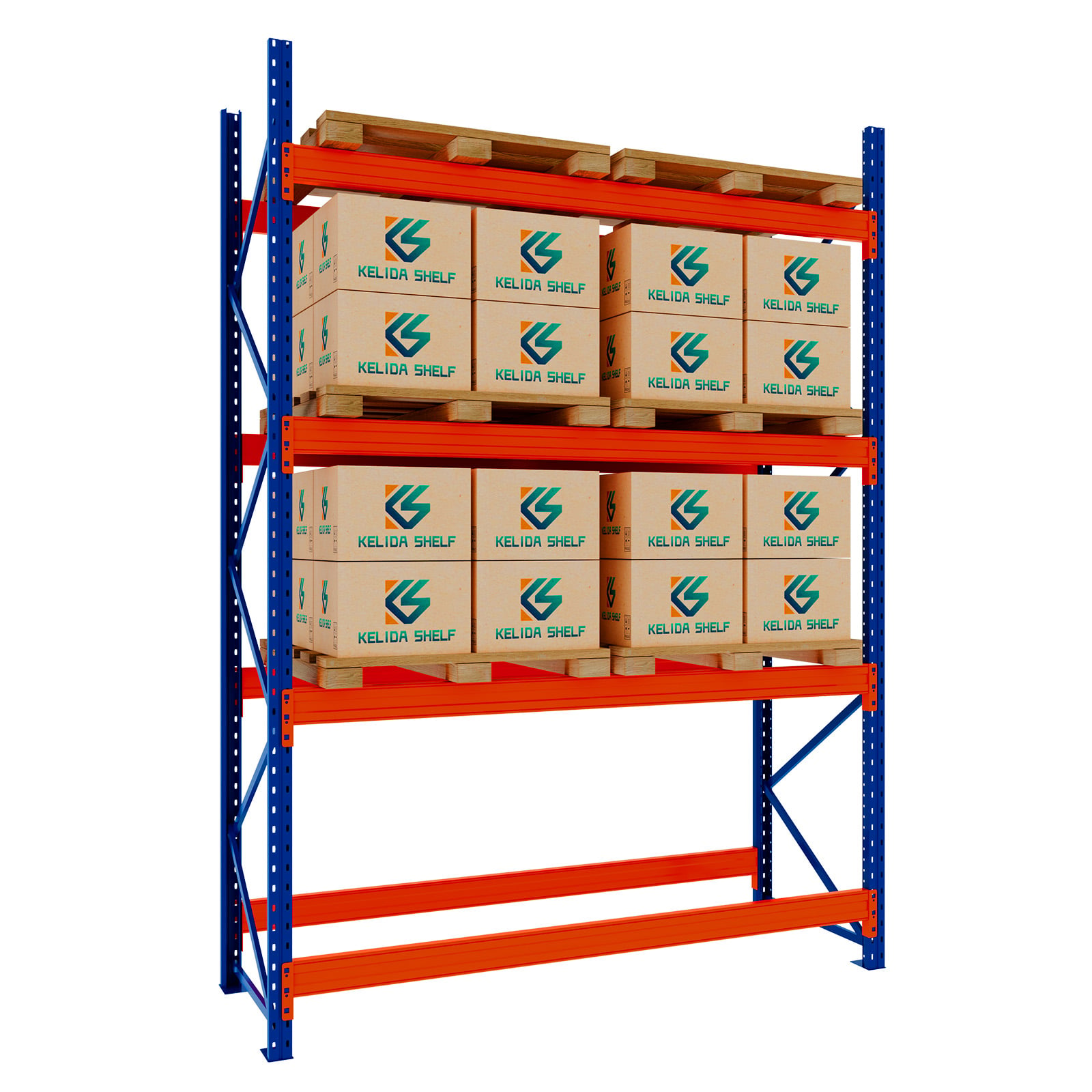
Turning clever design ideas into reliable physical infrastructure takes serious manufacturing muscle and dependable global supply chain support. As a recognized innovator in the industry, Kelida integrates advanced production technologies, featuring high-precision computer numerical control cutting machinery, automated punching lines, heavy-duty rolling mills, and eco-friendly powder-coating systems. Every single rack component goes through rigorous quality checks, from raw material evaluations to automated welding and salt-spray corrosion resistance tests. Supported by extensive international export experience, custom engineering consultation, and dependable logistics service, Kelida delivers engineered-to-order pallet racking solutions that combine absolute safety, economic value, and lasting durability, empowering warehouses worldwide to scale with confidence, optimize operational margins, and achieve long-term supply chain resilience. Choosing a capable manufacturing partner ensures that every custom layout transforms from a theoretical blueprint into a high-performance asset that drives lasting business success, eliminates supply chain vulnerabilities, and provides absolute peace of mind for facility managers navigating today's competitive logistics landscape. Through continuous investment in advanced manufacturing infrastructure and customer-centric engineering support, Kelida remains a trusted global partner for warehouses seeking uncompromised quality, structural longevity, and seamless operational efficiency across every tier of their supply chain network.

 EN
 Hot News