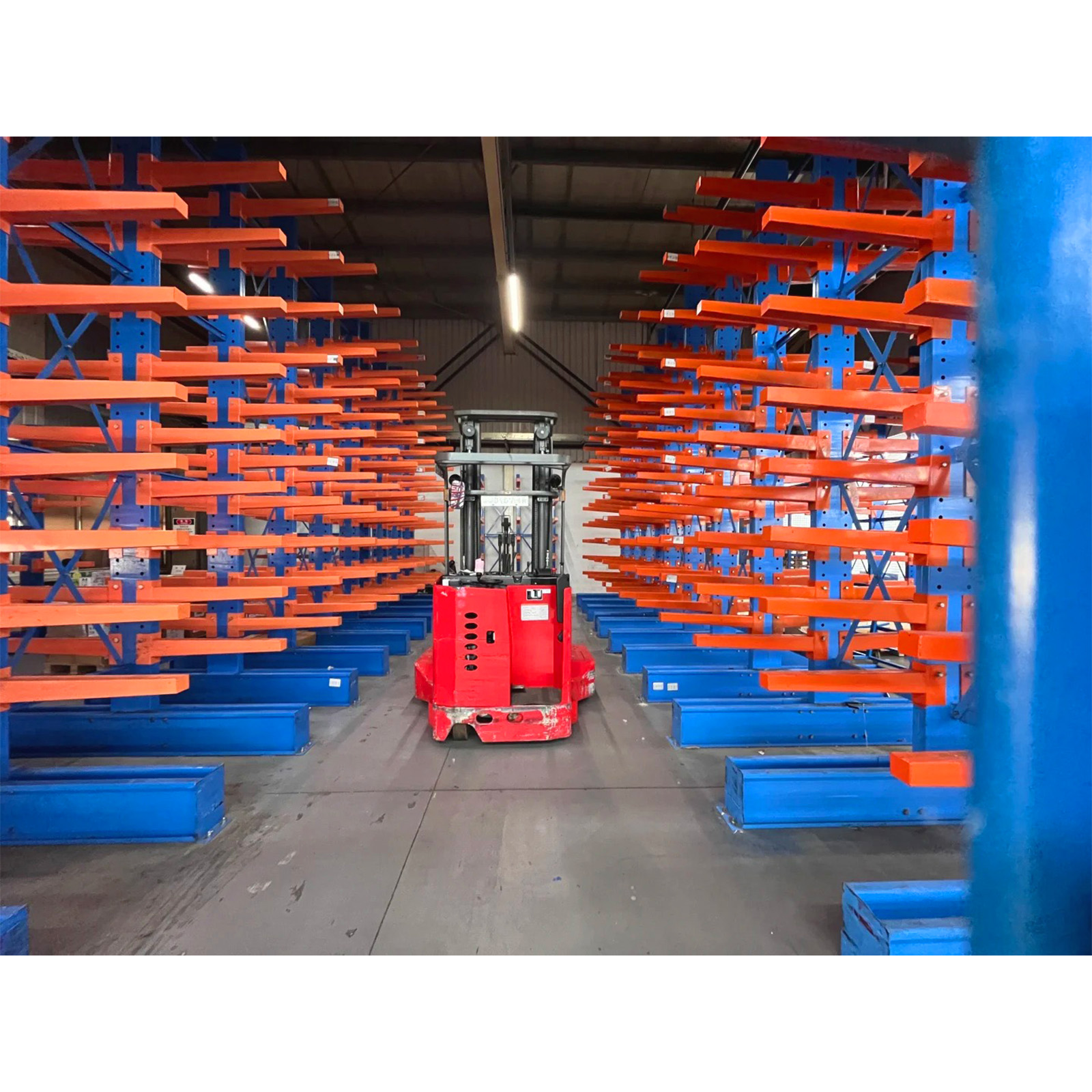
Global supply chains are shifting rapidly, placing unprecedented pressure on warehouse managers to improve speed, storage density, and inventory accuracy. In today's dynamic logistics environment, a pallet racking system is much more than a basic metal framework used for holding heavy loads. Instead, it acts as the primary operational heartbeat of any successful distribution center. Industry insights suggest that well-planned vertical storage setups can drastically cut overhead operational costs, transforming basic hardware selection into a vital strategic choice. Experienced supply chain planners understand that poor layout design often triggers operational bottlenecks that slow down fulfillment schedules. Moving forward, logistics teams must shift away from rigid, generic storage setups and embrace highly engineered solutions that effortlessly adapt to fluctuating inventory volumes and shifting seasonal demands.
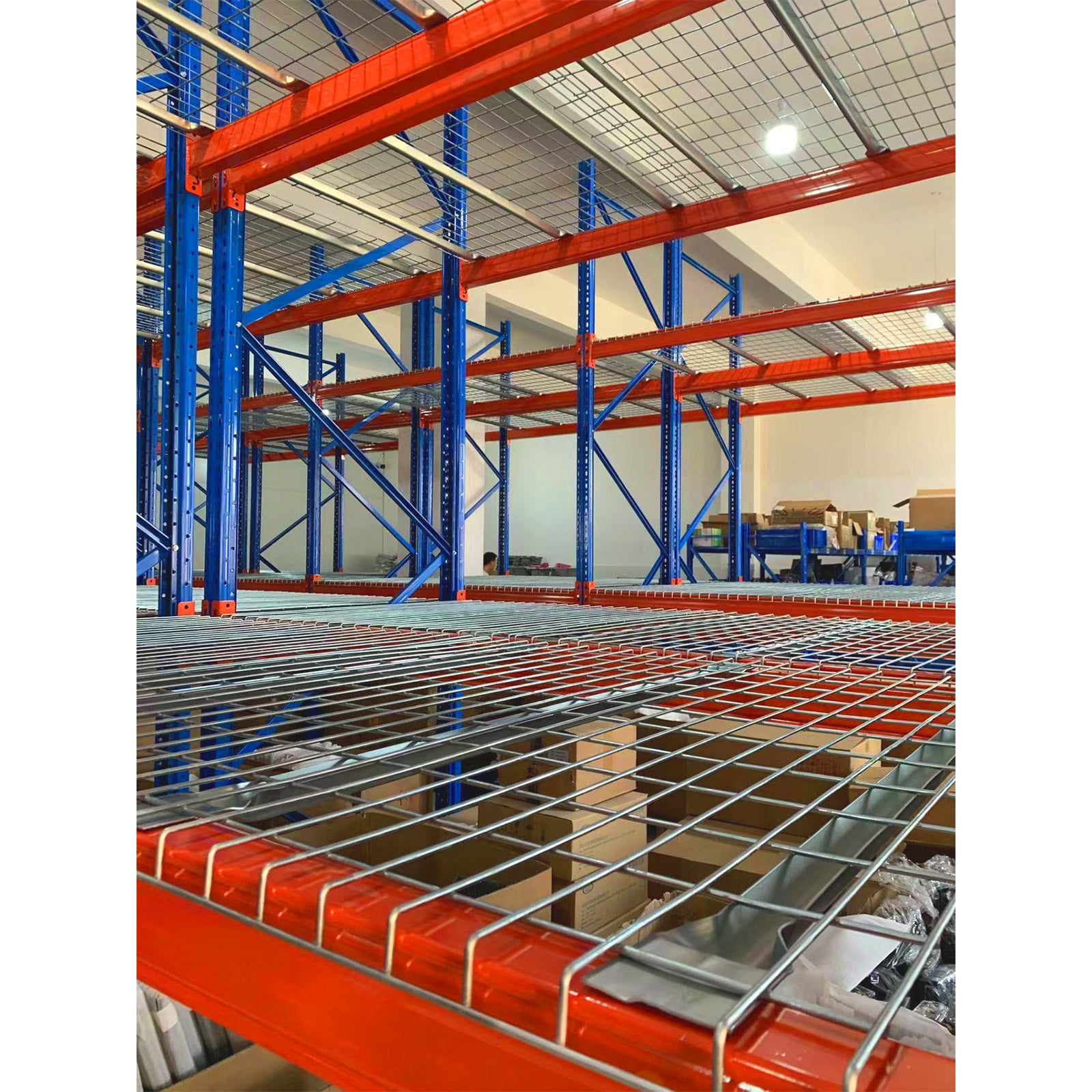
The technological sophistication behind industrial racking has grown significantly, driven by innovations in high-grade structural steel and advanced computer-aided stress analysis. Leading safety organizations emphasize that modern storage systems must safely withstand strict vertical load tolerances, heavy dynamic impacts, and potential seismic pressures. Modern structural engineers utilize cold-rolled steel profiles equipped with precision locking mechanisms to maximize load capacity while keeping structural weight optimized. When designing heavy-duty selective bays or high-density storage lanes, strict adherence to global safety standards guarantees that structural deflection remains well within secure limits. This careful engineering approach safeguards warehouse staff and prevents unexpected structural damage during fast-paced, high-reach forklift operations.
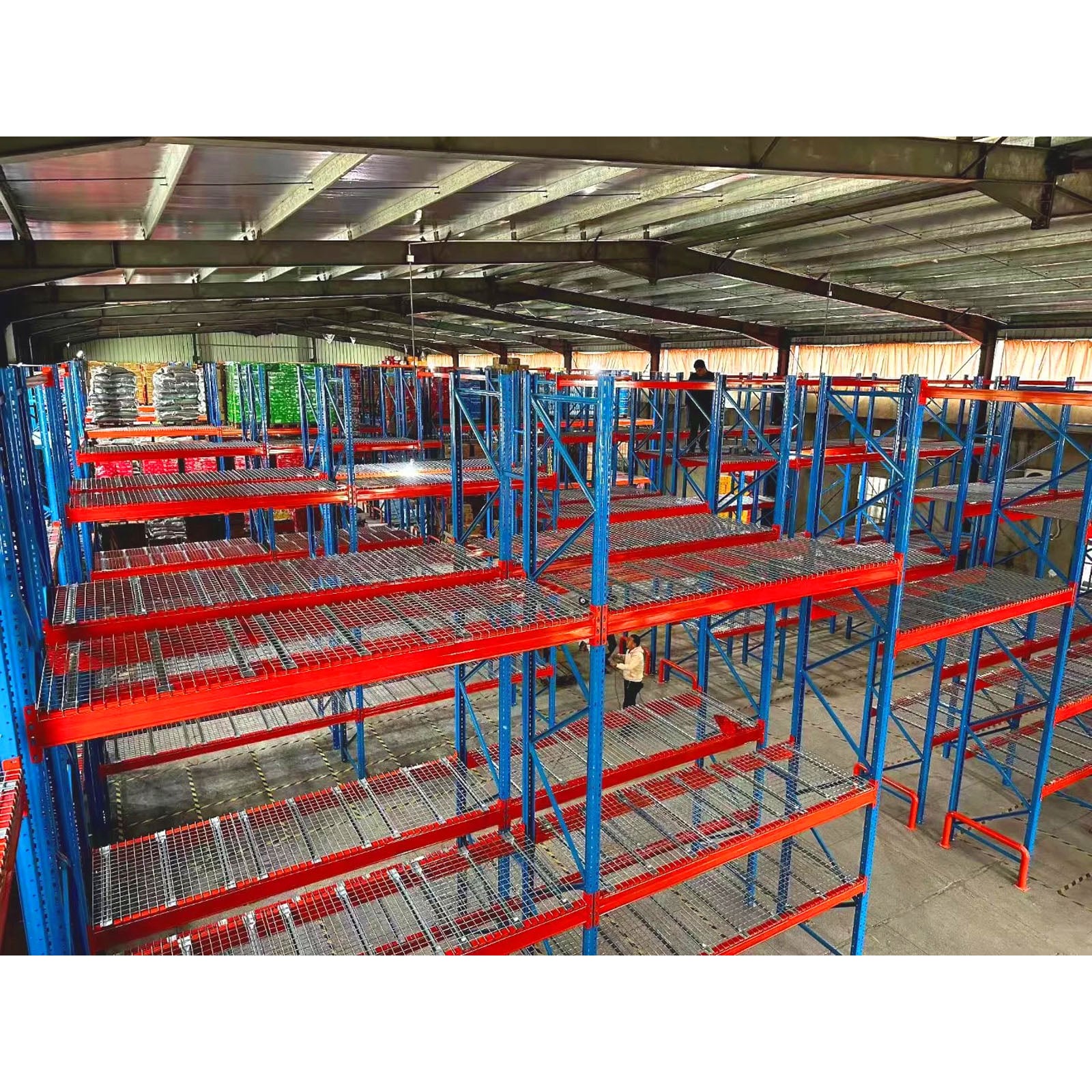
Investing in a professionally designed pallet racking layout brings immediate, measurable financial benefits by maximizing unused vertical cubic space within existing facilities. Real-world warehouse metrics consistently show that upgrading traditional floor stacking to structured selective or double-deep racking can immediately boost usable storage density. This massive spatial gain helps businesses avoid the high capital expenses tied to leasing extra warehouse space or constructing new facilities from the ground up. Furthermore, improved inventory organization significantly cuts down picking times, speeds up daily throughput, and minimizes product damage caused by clumsy handling. For third-party logistics providers and bustling fulfillment centers, a smart layout directly leads to lower handling costs and happier end customers.
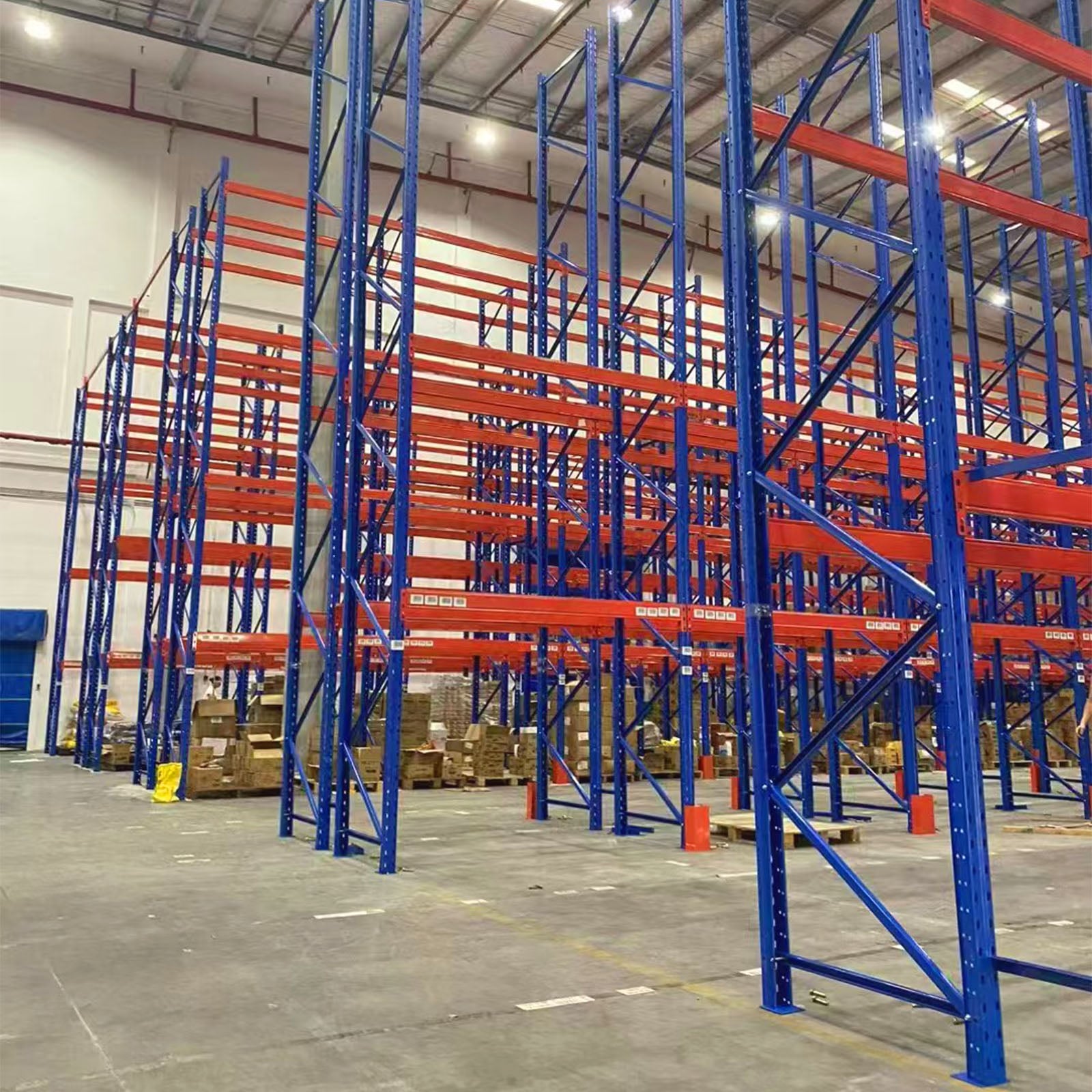
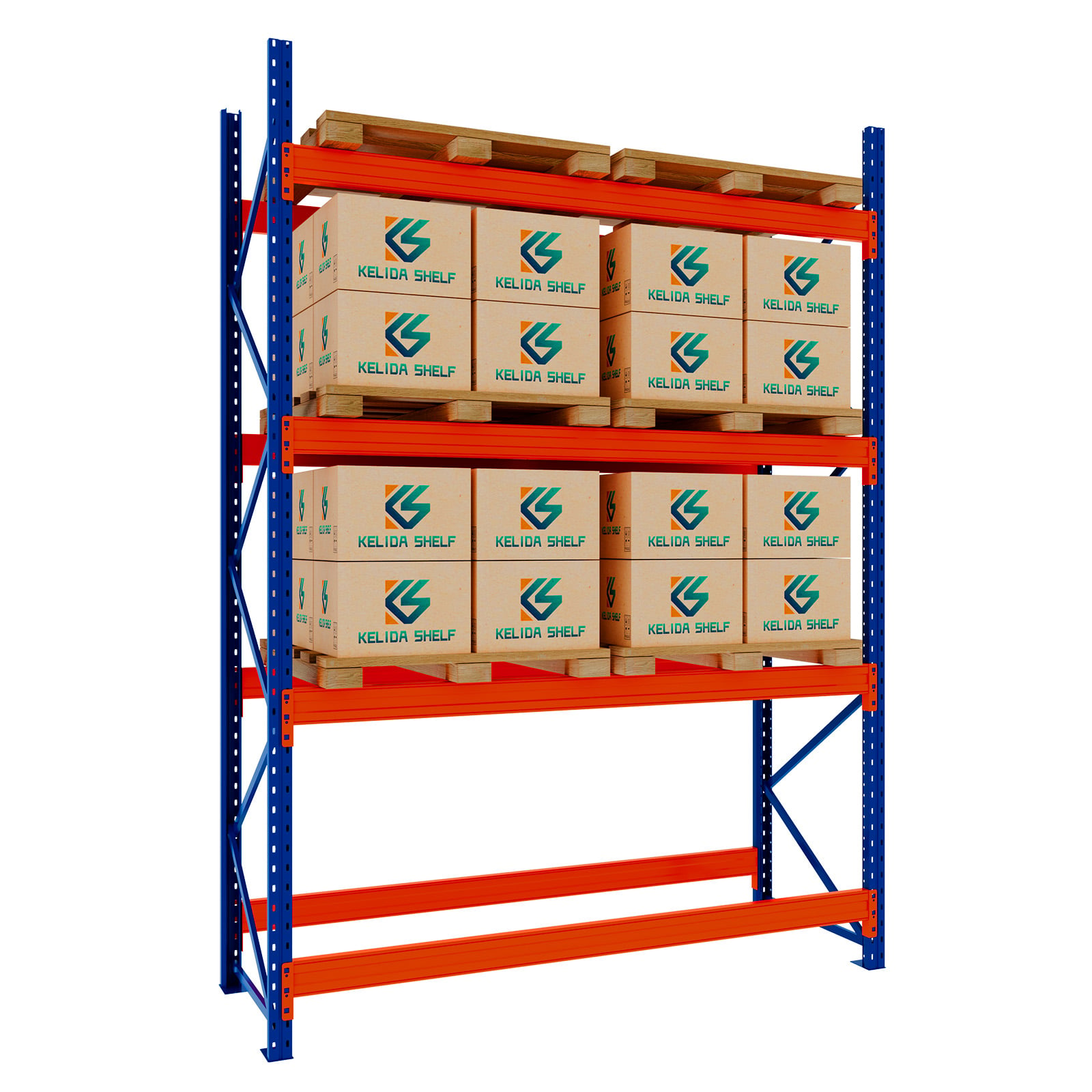
Choosing the right racking layout requires a careful evaluation of inventory SKU profiles, stock movement speed, and material handling equipment compatibility. Operations focused on 100% item accessibility and rapid turnover typically rely on standard selective pallet racking as the industry benchmark. On the other hand, facilities managing massive quantities of uniform goods benefit greatly from drive-in, push-back, or gravity flow systems. Warehouse consultants always stress that proper planning must account for narrow aisle clearances, forklift turning radiuses, and future business growth. Matching physical weight capacities with daily workflow habits prevents premature wear and eliminates unexpected operational downtime.
Navigating the complexities of modern facility engineering requires a reliable manufacturing partner who blends deep technical know-how with dependable global supply chain execution. Backed by decades of hands-on industry experience, Kelida stands out as a trusted global provider of customized warehouse storage solutions, specializing in heavy-duty pallet racking and multi-tier systems. Supported by advanced in-house production facilities and strict quality assurance protocols, Kelida bridges the gap between initial architectural planning and smooth on-site installation. Whether configuring standard distribution hubs or complex high-density setups, Kelida delivers tailored engineering support, precise layout designs prior to manufacturing, and dependable delivery schedules to help global enterprises strengthen their supply chain resilience.

 EN
EN
 Hot News