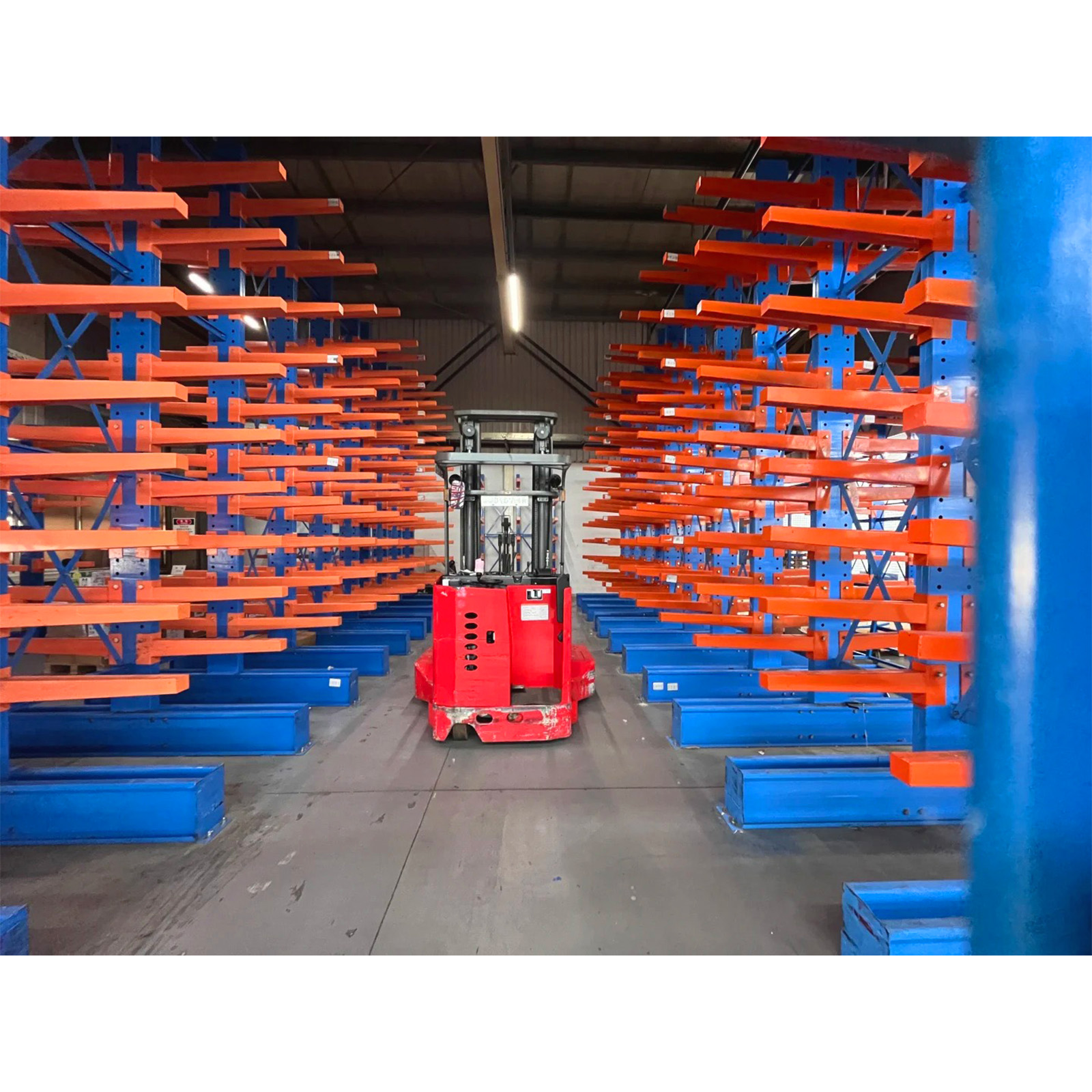
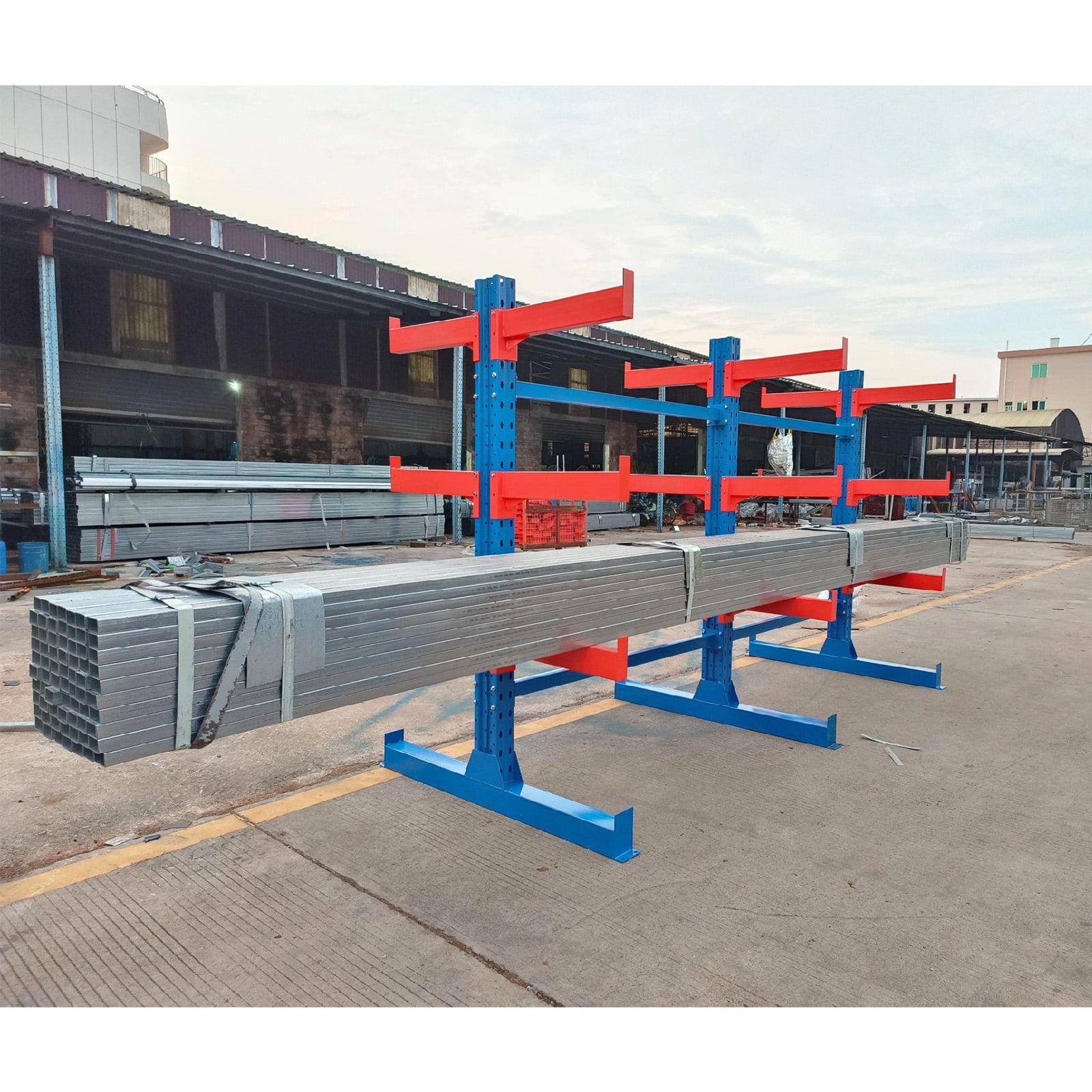
In the modern warehouse, managing long, heavy, or oddly shaped materials requires a storage strategy that goes beyond standard shelving. Steel profiles, timber beams, and large-scale industrial pipes cannot be confined to traditional pallet systems without sacrificing accessibility and safety. Cantilever racking systems stand out as the definitive solution for these complex storage challenges. By eliminating the front vertical obstructions that typically hinder loading, these systems allow for rapid access and streamlined handling. Industry experts at Kelida frequently observe that operations which effectively implement cantilever systems see a marked improvement in overall warehouse agility. Achieving this success depends on understanding the specific interplay between material dimensions and rack geometry. A strategic approach to inventory optimization involves analyzing the physical characteristics of the stock, such as length, deflection properties, and weight distribution, and ensuring that the racking configuration aligns perfectly with the operational speed of the warehouse’s material handling equipment.
The safety of any high-density industrial racking system is directly linked to its engineering specifications. Unlike standard shelf units, cantilever systems rely on a robust central upright-to-base connection to maintain stability under heavy, uneven loads. Kelida emphasizes that the selection of structural steel must be based on rigorous load-bearing calculations that account for the maximum weight of the inventory, the dynamic forces of forklift placement, and local seismic considerations. High-performance racks prioritize precision welding at critical joints, as these points are subject to the most intense mechanical stress. Furthermore, the inclusion of end-stops on cantilever arms is a non-negotiable safety feature; these components prevent materials from sliding off during loading or accidental impacts. Facility managers should ensure that periodic structural audits are scheduled to monitor for arm deflection and upright plumbness. By adhering to these engineering-first standards, operators can prevent structural fatigue and maintain a compliant, accident-free storage environment that lasts for years.
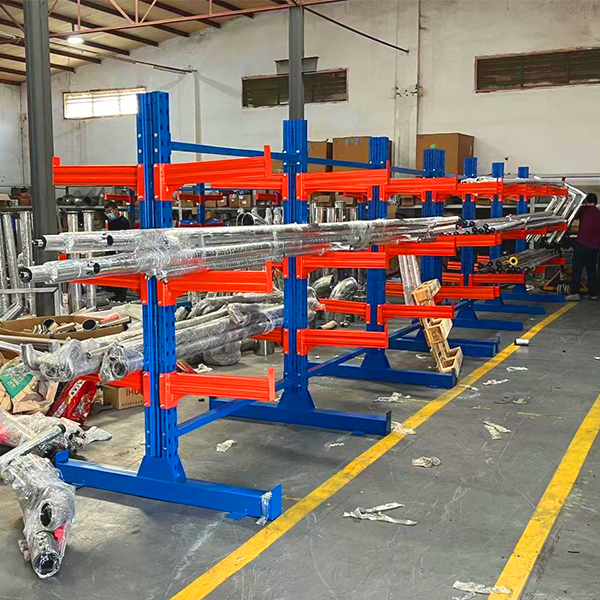
Beyond structural robustness, the cantilever racking system serves as a powerful instrument for maximizing warehouse footprint efficiency. Through the strategic use of single-sided or double-sided configurations, warehouses can dramatically increase their storage density without compromising floor space. Kelida prioritizes the integration of efficient workflow patterns when developing storage layouts, ensuring that forklift navigation is optimized to minimize transit time between storage rows and picking docks. The inherent modularity of cantilever designs—allowing for vertical adjustment of arms—enables the storage of varying stock sizes within the same framework. This flexibility prevents the wasted air space often found in traditional fixed-shelf systems. When materials are organized to follow a logical picking path, enterprises notice a direct correlation in reduced labor hours and increased inventory turnover, transforming the warehouse from a necessary expense into a competitive logistical advantage.
Maintaining a racking system is as critical as the initial design and installation phase. A common pitfall in industrial operations is the neglect of minor structural issues, such as loose fasteners or small dents caused by forklift traffic. Kelida advocates for a proactive maintenance culture where operators are trained to report potential hazards immediately. Regular inspections of the base bolts and upright connections ensure that the system retains its load capacity over its service life. Additionally, labeling each rack with its maximum weight capacity provides operators with clear guidance, preventing overloading and minimizing the risk of structural failure. A well-maintained racking system is not just an equipment asset; it is a critical safety component that protects high-value inventory and, most importantly, the workforce. Investing in professional training and standardized maintenance protocols ensures that the storage infrastructure remains a stable, reliable foundation for business growth in an increasingly demanding global market.
The complexity of contemporary supply chains demands a partner capable of delivering more than standardized products. Kelida prides itself on providing high-capacity, customized storage solutions backed by a sophisticated manufacturing chain and expert engineering design. By aligning deep technical knowledge with the specific storage challenges of diverse industries—from heavy machinery manufacturing to construction supply distribution—the team at Kelida delivers professional, tailored outcomes from initial site simulation to final installation. Enterprises seeking to optimize their supply chain should view the cantilever racking system as an foundational asset that requires both expert design and reliable manufacturing support. Investing in the right system ensures that the facility remains agile, safe, and ready to meet the evolving demands of the global market. With dedicated support for custom load-bearing requirements, height specifications, and seamless material handling workflows, Kelida remains committed to empowering businesses to scale their infrastructure with confidence, professionalism, and long-term reliability.

 EN
EN
 Hot News