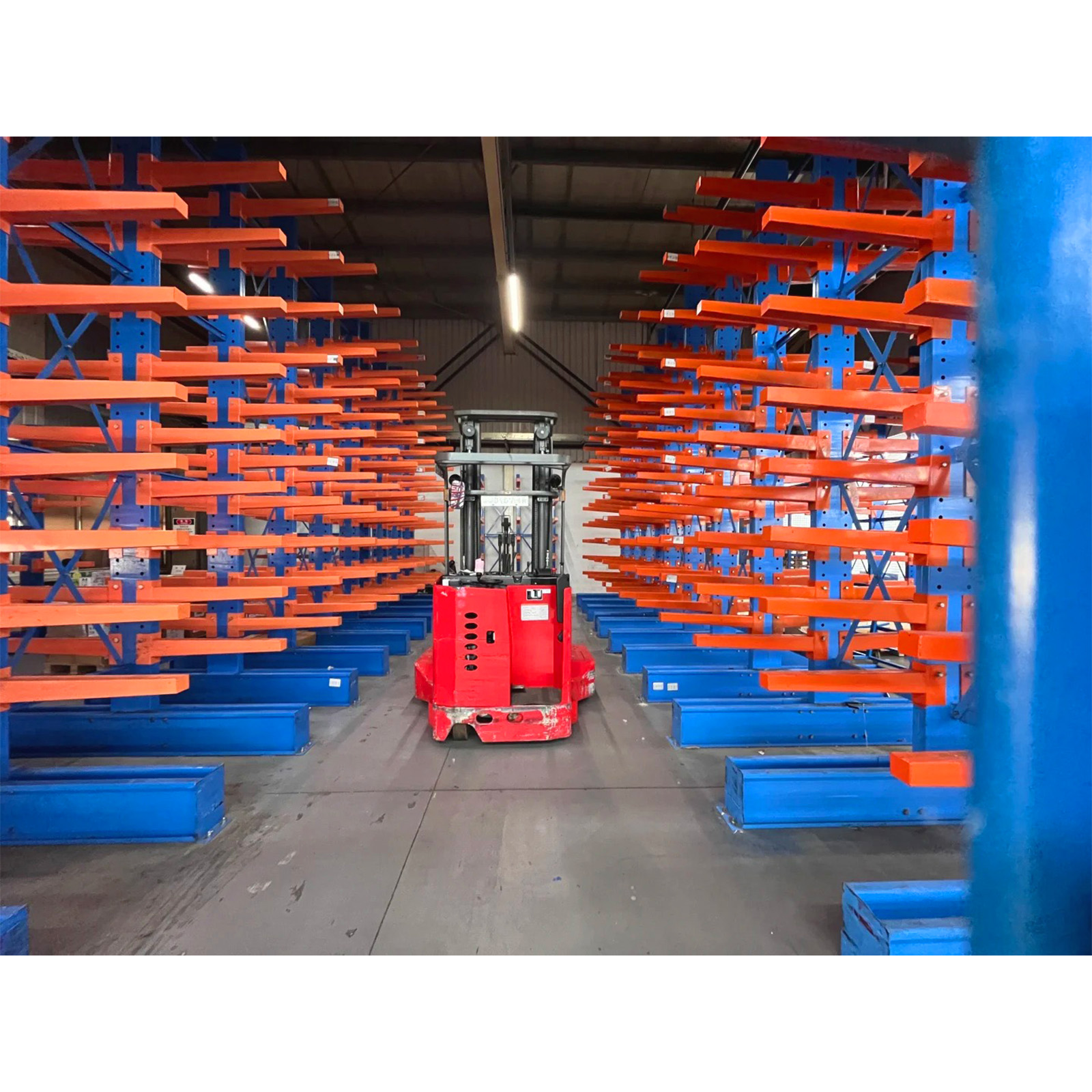
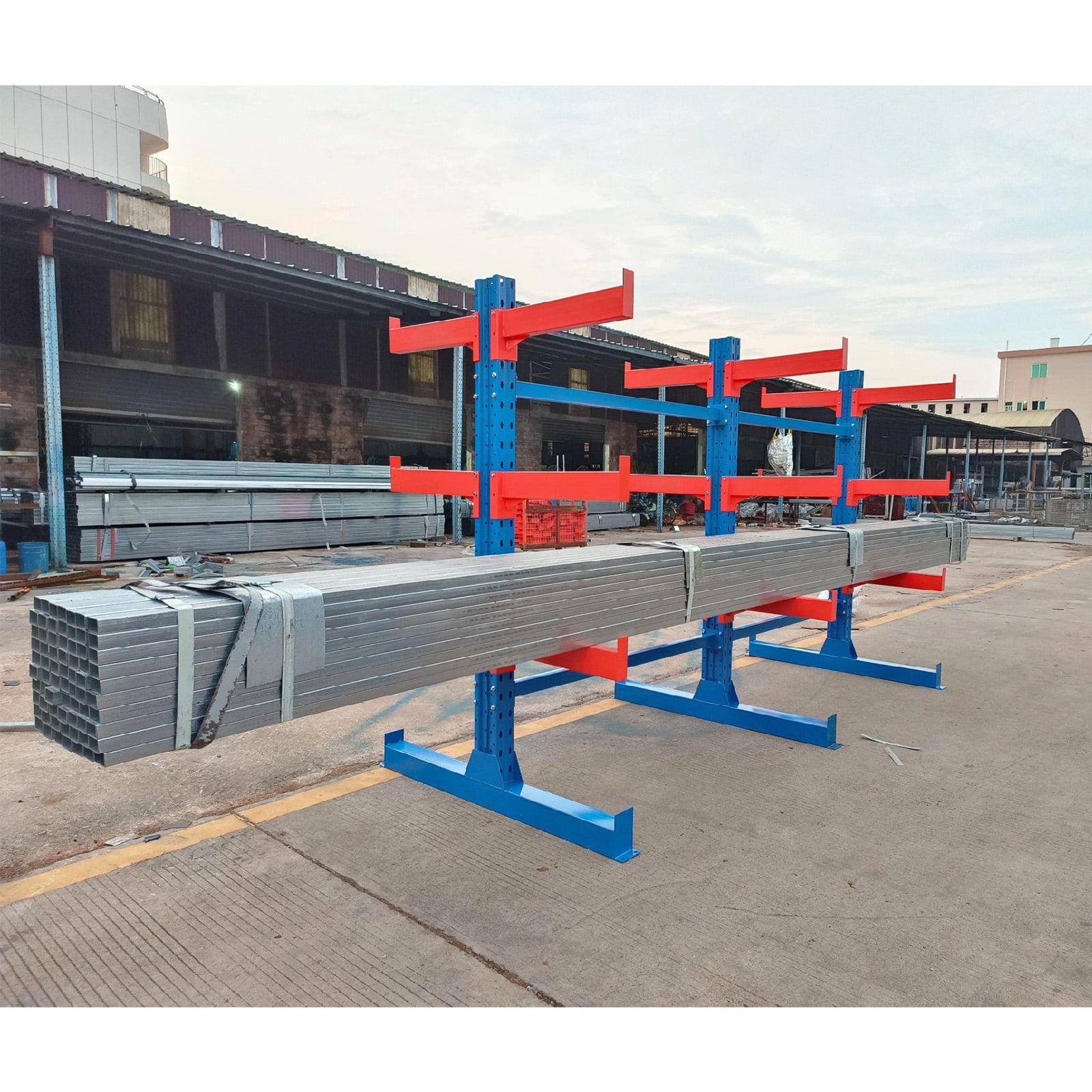
In the fast-paced world of industrial logistics, storing long, bulky, or irregular items—such as steel piping, lumber, molding, or furniture—poses a significant challenge for standard pallet racking systems. The traditional reliance on front uprights often creates bottlenecks, hindering the loading and unloading process for heavy-duty stock. Cantilever racking systems were engineered specifically to solve these logistical hurdles. By utilizing a central upright column combined with horizontal load-bearing arms, these systems create a completely open front. This structure allows forklifts and side-loaders to access materials across the entire length of the row without being restricted by vertical columns. Industry professionals at Kelida frequently observe that operations transitioning from standard shelving to cantilever systems experience a dramatic boost in efficiency, as the design removes physical barriers, allowing for faster throughput and a more seamless flow of materials from storage to production.
The functionality of a cantilever system relies on a precise balance of structural engineering and material strength. Unlike selective pallet racking that relies on beam-to-column connections, cantilever systems depend on the structural integrity of the uprights and the cantilever arms. These arms act as the primary support, bearing the weight of the inventory. For industrial-scale applications, the gauge of the steel and the engineering of the arm-to-column connection are critical. Kelida emphasizes that high-performance racks must be built to withstand not only the static load of the material but also the dynamic forces introduced by forklift operators during loading. Precision-manufactured uprights and heavy-duty steel base plates provide the necessary stability to prevent swaying, even when storing high-density inventory at extreme vertical heights. Understanding how these components work in tandem is essential for facility managers, as this knowledge ensures that the selected system remains safe and stable under maximum load conditions.
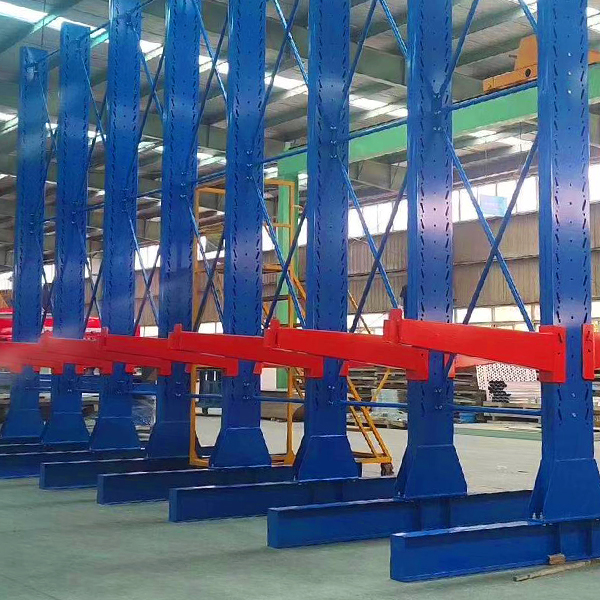
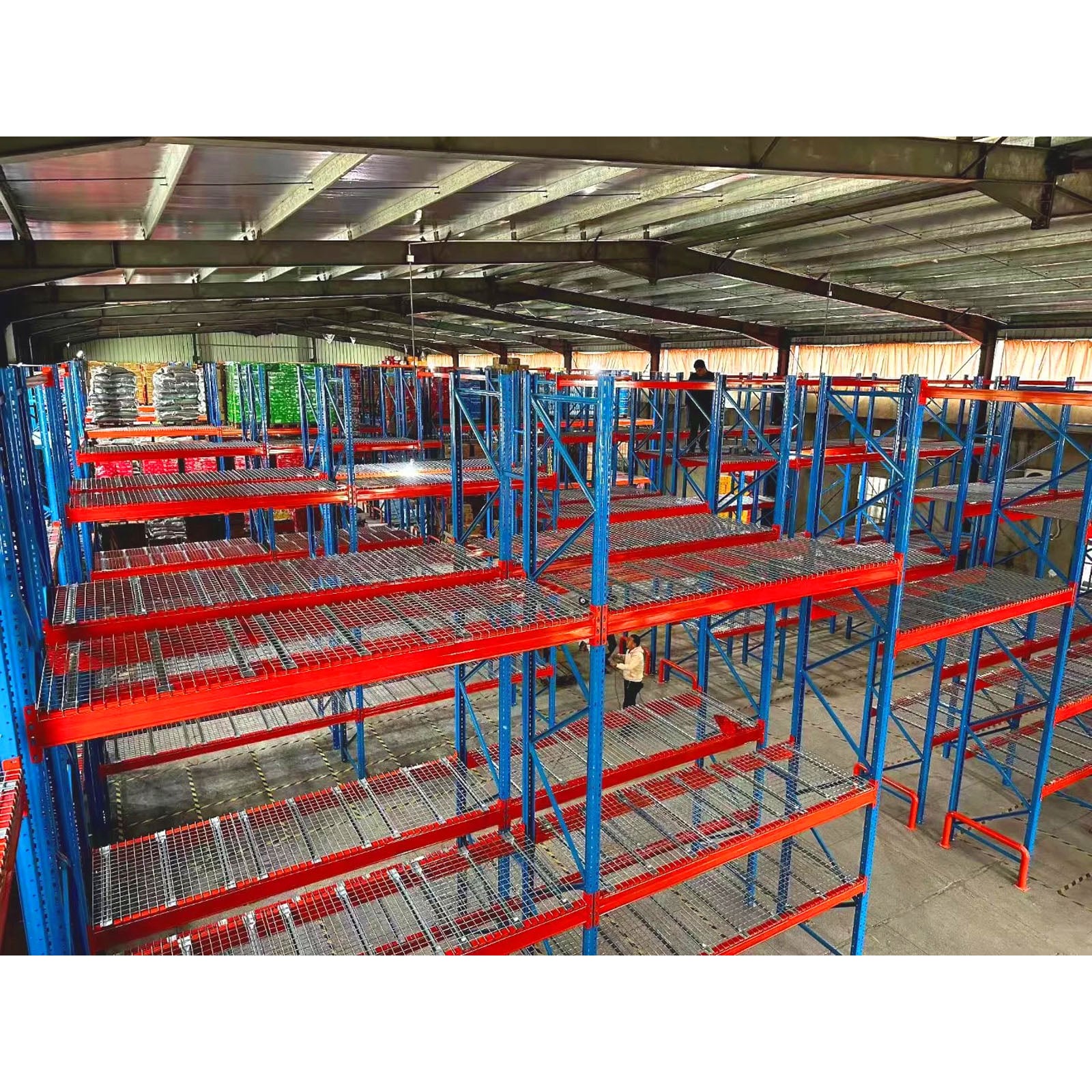
Beyond structural robustness, the cantilever racking system serves as a powerful tool for maximizing warehouse density. One of the most significant advantages of this system is its modular nature, which allows for both single-sided and double-sided configurations. This flexibility enables warehouse managers to adapt their storage layout to fit existing floor plans perfectly. Kelida focuses on the strategic planning of these layouts to enhance operational workflows. By positioning high-rotation materials in accessible zones and utilizing vertical space for slower-moving stock, businesses can optimize their pick-and-pack times effectively. The ability to adjust the height of the arms allows for the storage of various material sizes within the same row, eliminating wasted vertical space. This level of optimization turns the storage area into a highly efficient asset, reducing the labor costs associated with material handling and minimizing the likelihood of inventory damage caused by inefficient storage practices.
In the industrial sector, safety is non-negotiable. Cantilever systems are frequently subjected to accidental impacts from heavy machinery, making structural integrity a top priority. Kelida utilizes advanced manufacturing techniques to ensure that every upright frame and beam connector meets rigorous international safety standards. Safety features such as arm end-stops, which prevent materials from sliding off during seismic events or accidental forklift nudges, are essential for protecting both the inventory and the workforce. Furthermore, regular structural audits and adherence to load capacity protocols are mandatory for maintaining operational longevity. By integrating these safety-focused design features, facility owners can significantly reduce liability, lower insurance premiums, and foster a professional environment where safety is the cornerstone of daily operations. Professional manufacturing ensures that every component is tested for structural fatigue, providing long-term reliability even in the most demanding industrial environments.
Modern logistics requires more than just off-the-shelf equipment; it requires a strategic partner capable of delivering complex, customized warehouse designs. Kelida prides itself on providing high-capacity storage solutions backed by a sophisticated supply chain and precision engineering capabilities. By aligning deep technical expertise with a thorough understanding of client-specific storage challenges, the team at Kelida provides a streamlined, professional experience, from initial warehouse simulation to the final installation. Enterprises seeking to optimize their supply chain should view the racking system as a foundational asset that demands both expert engineering and reliable manufacturing support. Investing in the right system today ensures that the facility remains agile, safe, and ready to meet the evolving demands of the global market. With dedicated support for custom specifications, load-bearing requirements, and material handling workflows, Kelida remains committed to empowering businesses to scale their infrastructure with confidence and long-term reliability. Precision-engineered solutions are developed to exceed industry benchmarks, ensuring that each installation perfectly matches the operational requirements of the client.

 EN
EN
 Hot News