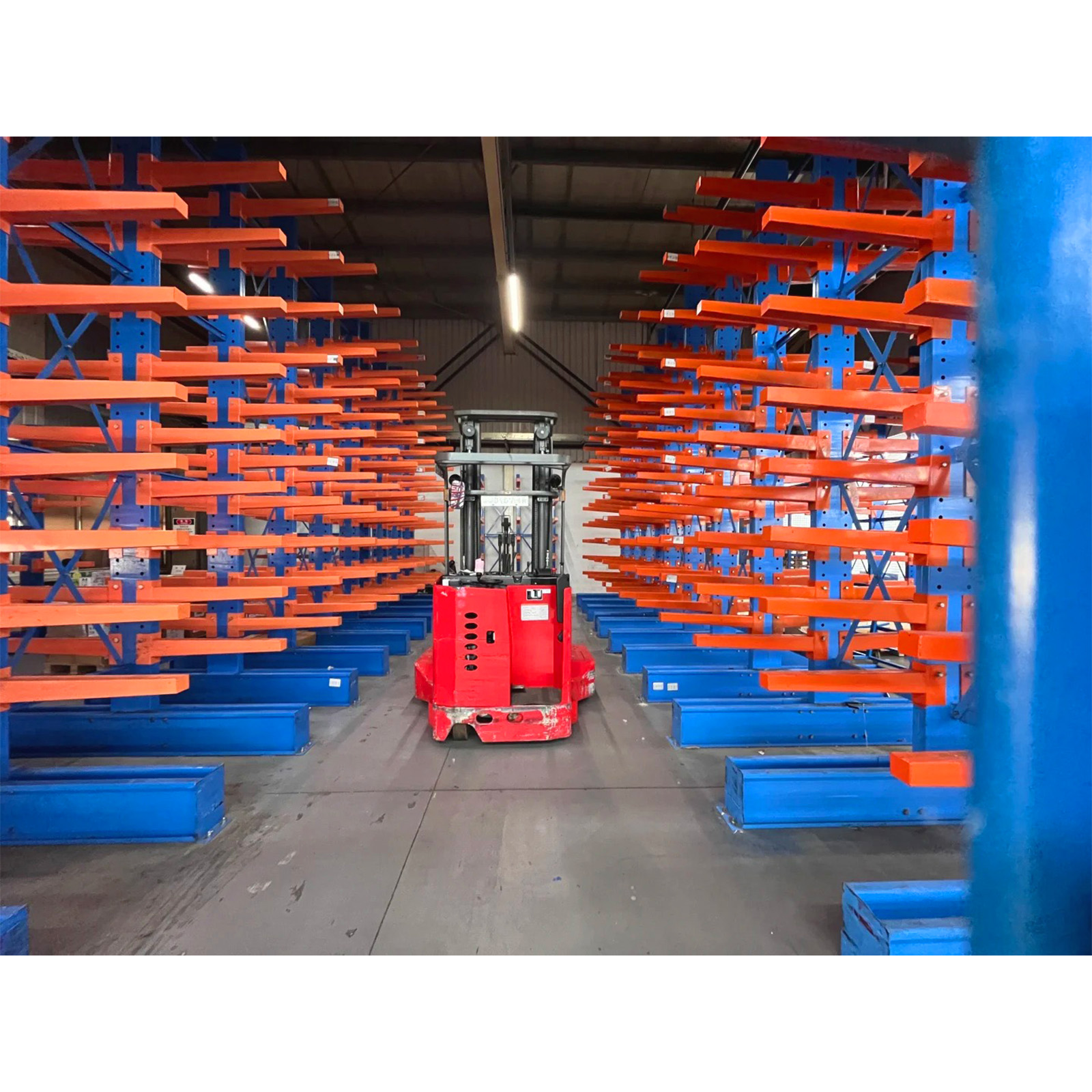
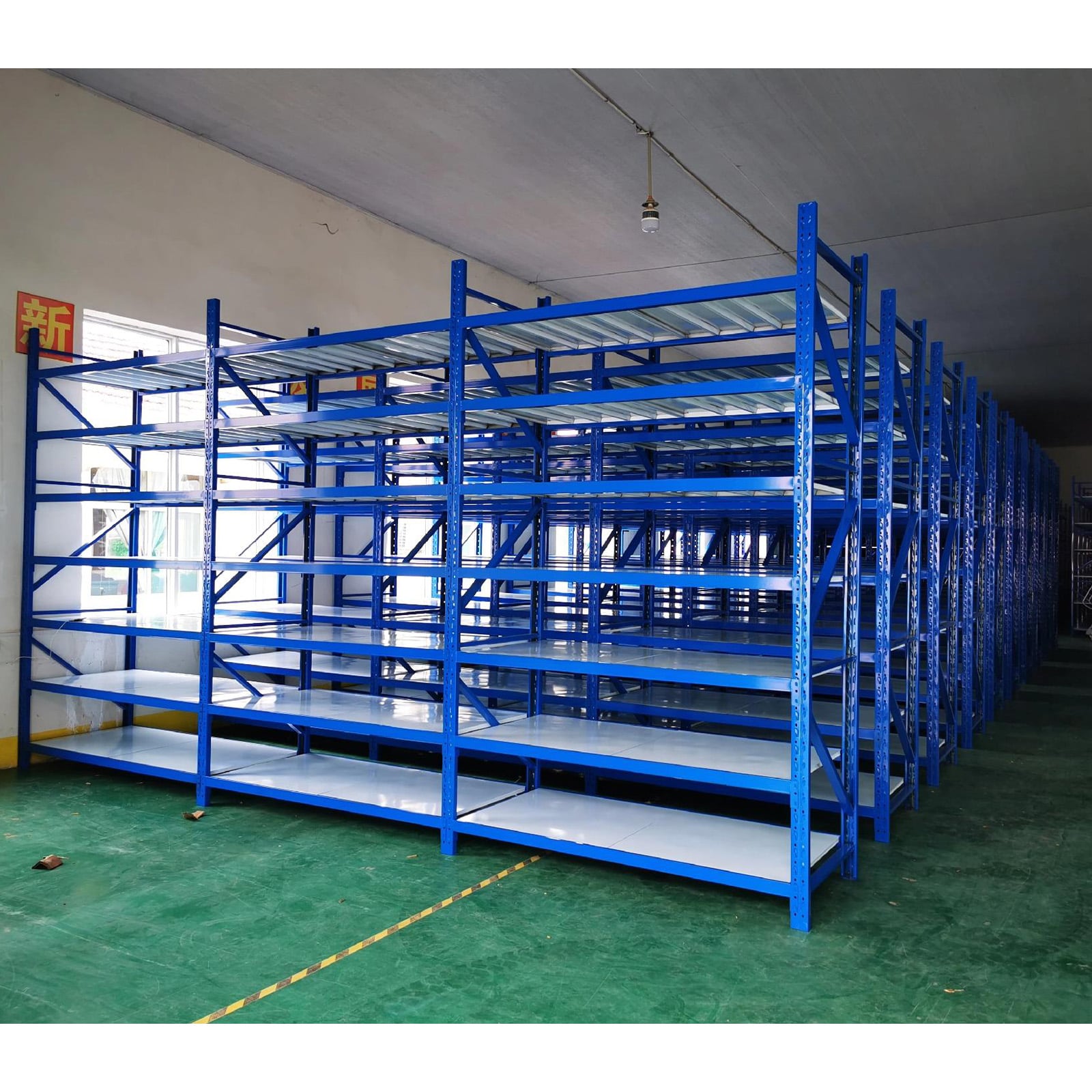
In the fast-paced, high-stakes logistics environment of 2026, selecting the right storage infrastructure is far more than a simple procurement task; it is a fundamental strategic decision that dictates long-term operational efficiency and financial health. Facility managers frequently face the classic dilemma: should they invest in the proven, robust simplicity of static pallet racking, or pivot toward dynamic, high-density, or semi-automated alternatives? While static systems are celebrated for their universal accessibility and operational reliability, dynamic solutions often promise unparalleled storage density. Industry experts at Kelida observe that the most successful warehouse designs do not merely follow fleeting industry trends but align specific storage technologies with precise inventory turnover profiles and long-term business growth trajectories. Navigating these choices requires a deep, comprehensive understanding of not just the initial hardware costs, but the holistic impact on labor efficiency, system maintenance, equipment compatibility, and the overall scalability of the entire supply chain.
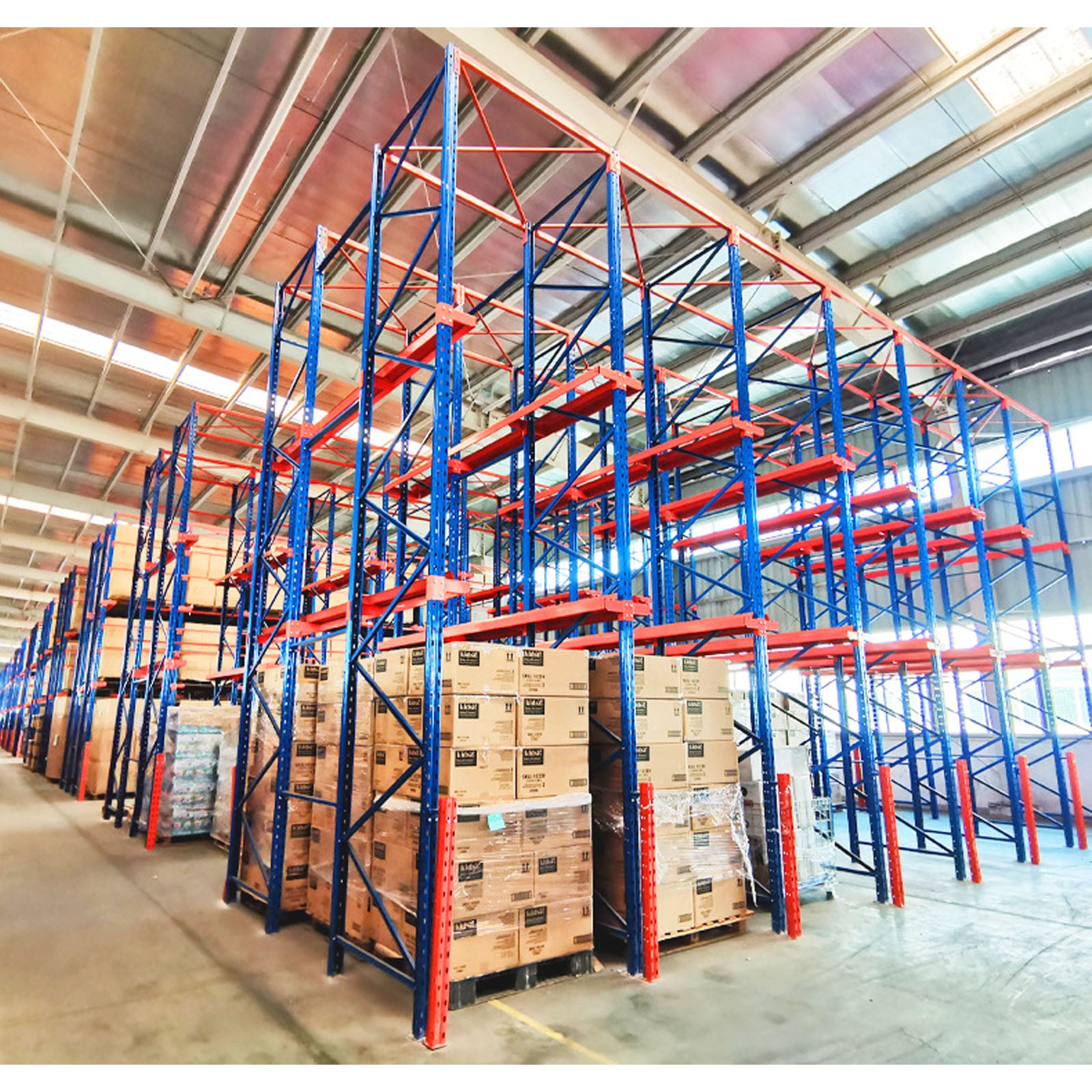
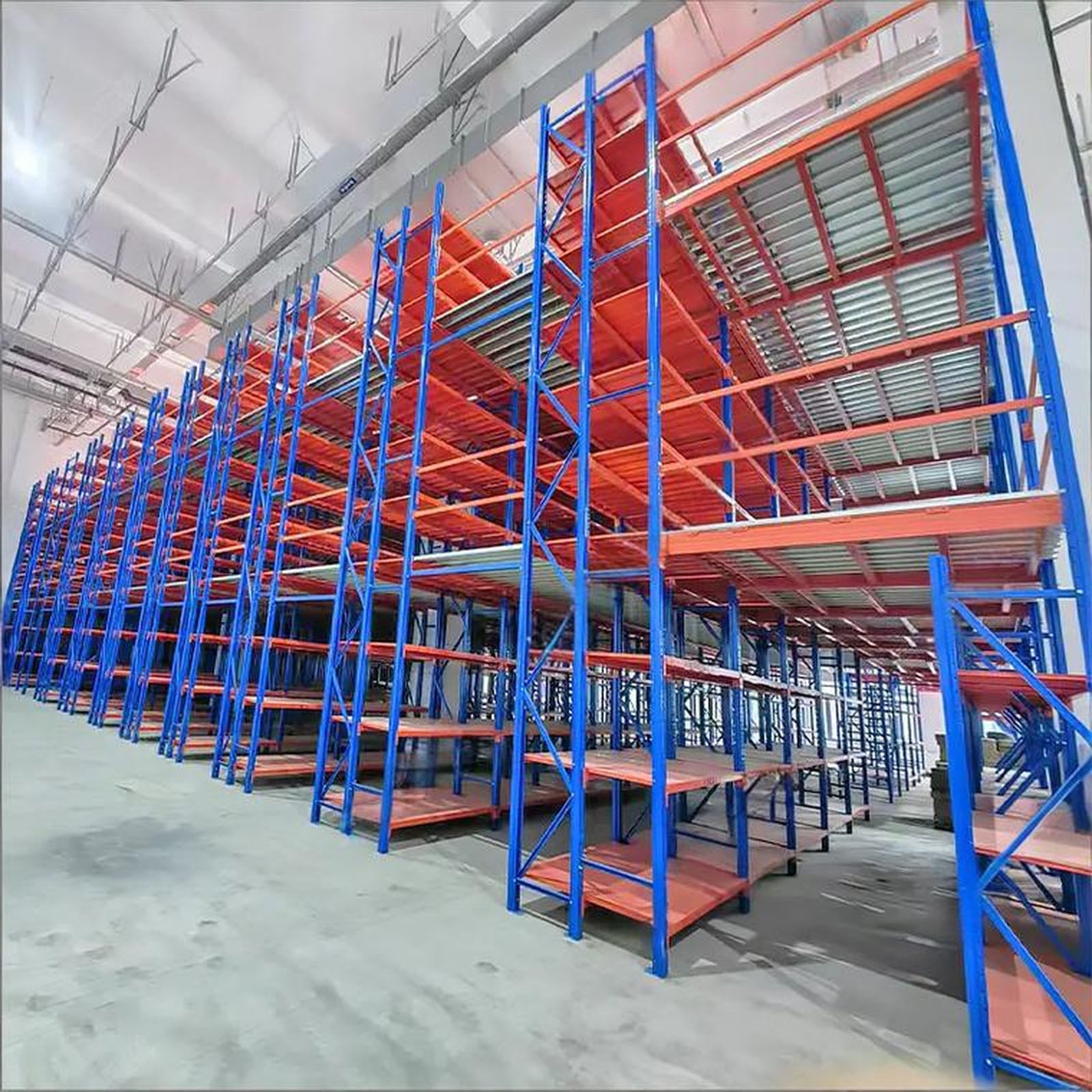
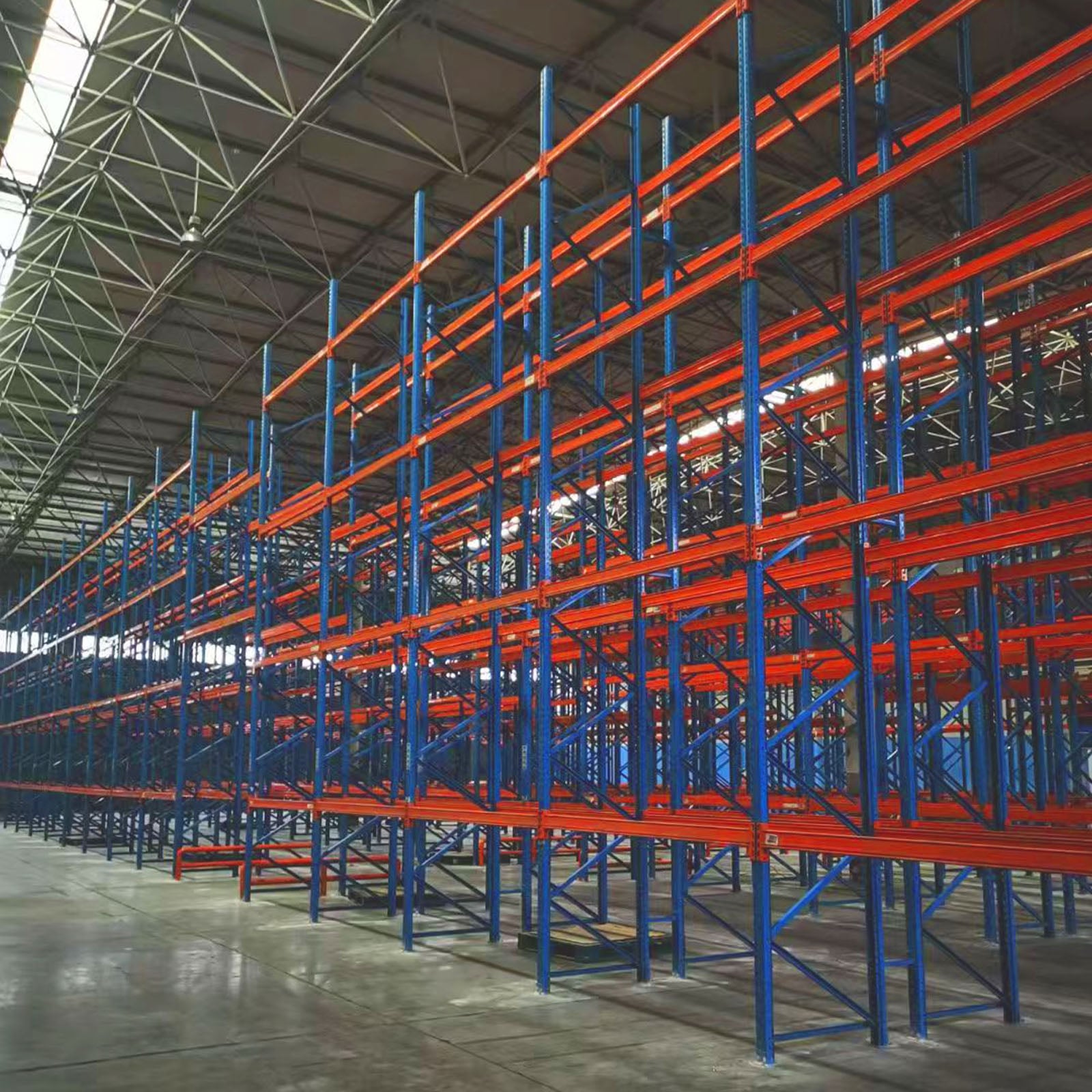
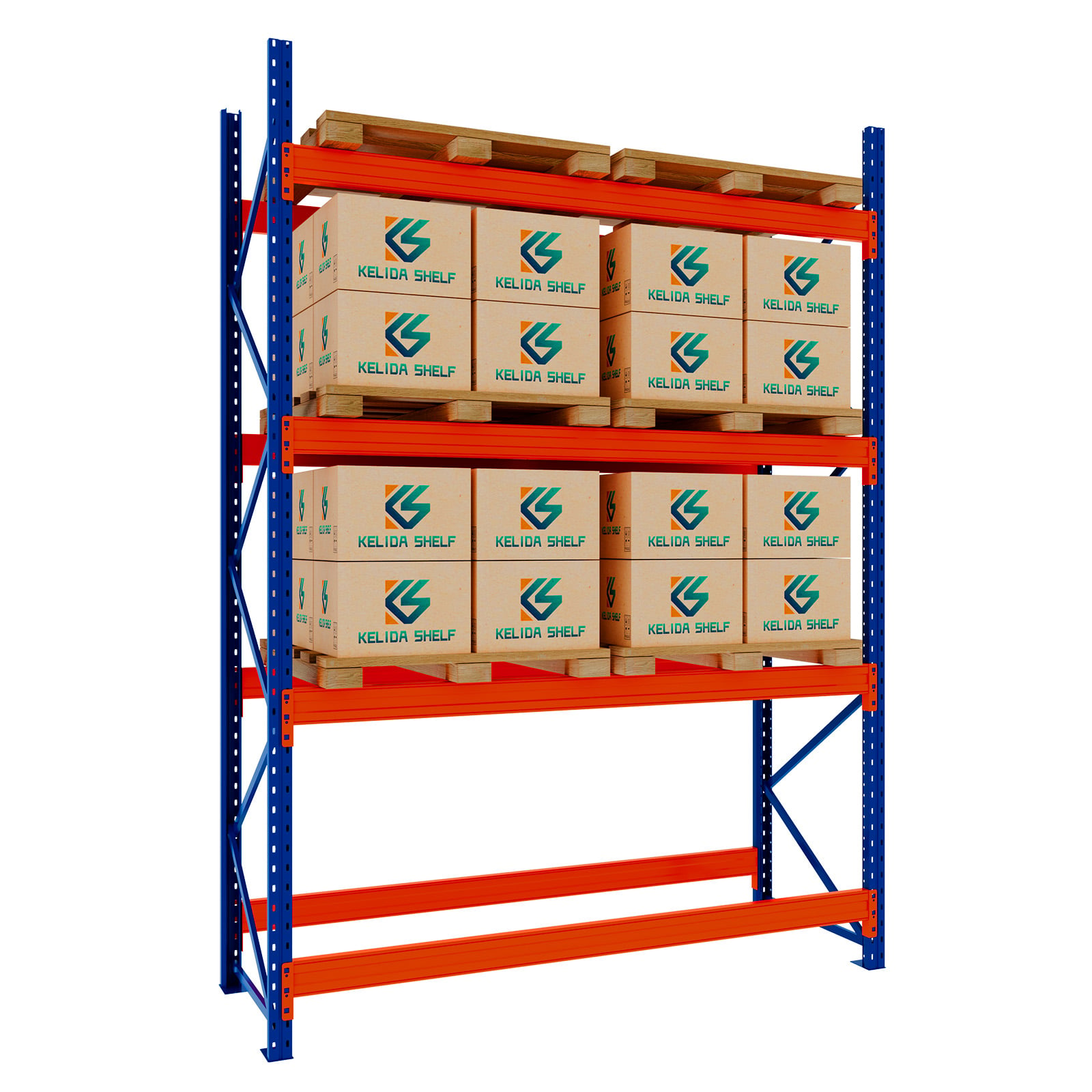
The industrial market offers several heavy duty configurations, each meticulously engineered for specific operational contexts. Selective pallet racking remains the universal gold standard for operations prioritizing 100% stock accessibility. This system is ideal for high-SKU environments where frequent picking and diverse item rotation are constant, operational requirements. In contrast, Narrow Aisle (VNA) racking systems offer a dramatic increase in storage density by significantly reducing the width of the forklift aisles. While VNA requires specialized reach trucks and high-precision flooring, the gain in pallet positions often justifies the investment for high-rent facilities where floor space is the most constrained resource. For those dealing with large quantities of uniform, slow-moving stock, Drive-In and Drive-Through racking systems provide the highest possible density by eliminating access aisles entirely. Kelida observes that the most successful projects are those where the racking configuration is deeply integrated with the warehouse’s Material Handling Equipment (MHE), ensuring that the mechanical reach and speed of the forklifts are perfectly synchronized with the vertical and horizontal dimensions of the storage structure.
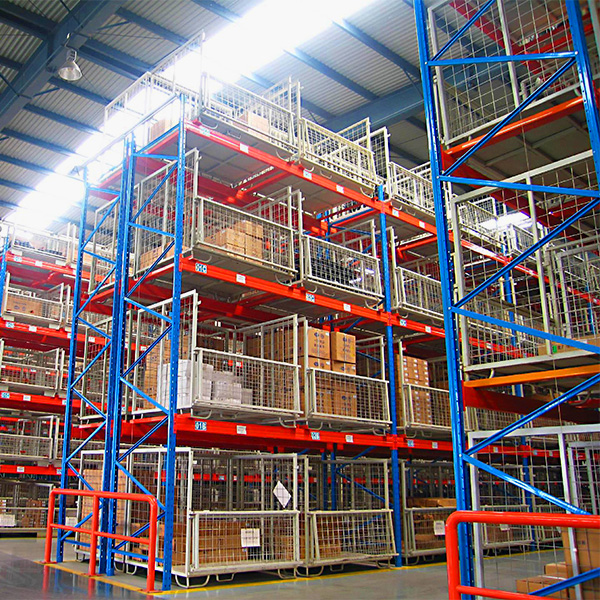
Engineering integrity is the non-negotiable threshold for heavy duty pallet racking. A system is only as reliable as the grade of steel used, the precision of the welds, and the long-term security of the floor anchorages. Unlike lighter-duty shelving, heavy duty industrial systems are subjected to constant dynamic forces—vibrations from high-speed forklifts, the repetitive impact of pallet placement, and the sheer downward pressure of high-density storage loads. Kelida emphasizes that high-performance systems must be built to exceed international safety standards, including regional seismic bracing requirements that vary by location. The thickness of the uprights, the beam-to-column connector strength, and the application of high-durability powder coating are key technical indicators of a system that will withstand years of continuous, high-intensity use. When comparing options, enterprises should demand full documentation on load-bearing capacities and structural integrity tests, as these factors directly correlate to the long-term safety of the workforce and the effective protection of high-value inventory assets.
The commercial value of an optimized racking system is found in the strategic reduction of "dead space" and the systematic improvement of operational flow. Every square foot of warehouse floor has a significant financial cost; high-density racking configurations effectively lower the cost-per-pallet position by maximizing vertical and horizontal space usage. However, commercial ROI goes beyond just capacity. Efficient layouts minimize the transit time required for forklift operators to pick and move items, which in turn reduces order cycle times and labor overhead. Strategically planning the rack aisles to allow for optimal forklift traffic patterns ensures that throughput remains consistent even during peak operational periods. Kelida prioritizes workflow-centric design in all projects, recognizing that a well-organized racking layout not only organizes stock but also actively facilitates the speed of business operations, turning the warehouse into a logistical engine.
Modern logistics complexity requires a partner capable of moving beyond simple product sales toward comprehensive, customized solutions. Kelida prides itself on delivering high-performance storage solutions backed by a sophisticated supply chain, advanced R&D, and precision manufacturing capabilities. By aligning deep technical expertise with a thorough understanding of client-specific storage challenges, the team at Kelida provides a streamlined, professional experience from the initial warehouse layout simulation to the final onsite installation. Enterprises seeking to optimize their supply chain should view the racking system as a foundational asset that demands both expert engineering and reliable manufacturing support. Investing in the right system today ensures that the facility remains agile, safe, and ready to meet the evolving demands of the global market. With dedicated support for custom specifications, load-bearing requirements, and seamless material handling workflows, Kelida remains committed to empowering businesses to scale their infrastructure with confidence and professional long-term reliability. Precision-engineered solutions are developed to exceed industry benchmarks, ensuring that each installation perfectly matches the operational requirements of the client.

 EN
EN
 Hot News