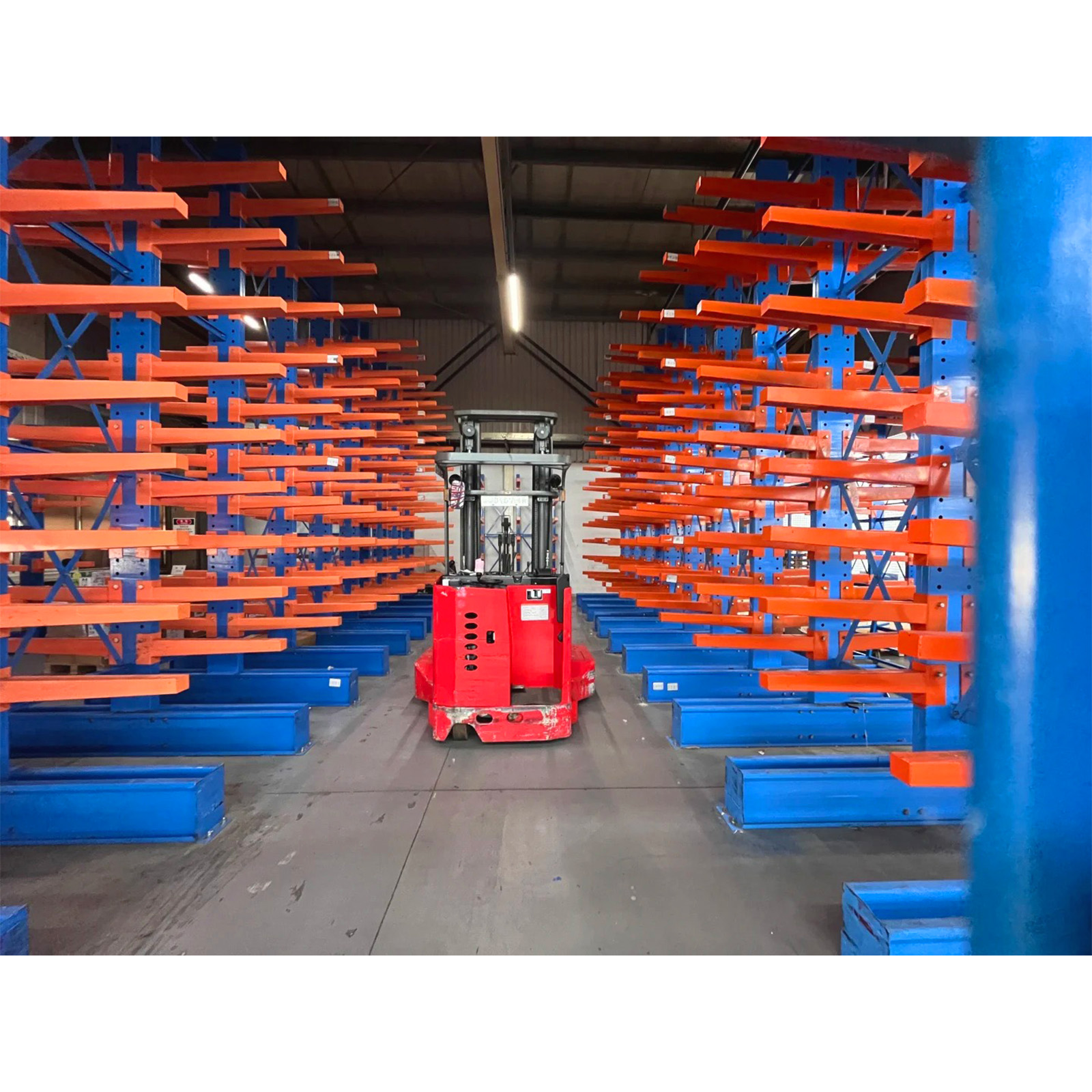
For warehouse operations handling oversized, irregular, or extremely long materials, traditional pallet racking systems are often insufficient. Steel pipes, lumber, structural beams, and furniture demand a storage infrastructure that allows for unobstructed access and precise material handling. Cantilever racking systems were designed specifically to bridge this gap by eliminating front columns that interfere with the placement or retrieval of items. Industry experts at Kelida frequently observe that facilities dealing with long-stock inventory often struggle with operational inefficiencies caused by restricted maneuverability. Adopting a cantilever system effectively solves these issues by providing a clear, open-access front, allowing heavy-duty equipment like sideloaders or overhead cranes to retrieve items with ease. This shift in infrastructure does more than just organize stock; it significantly reduces the time required for loading and unloading, making it a critical upgrade for manufacturing plants and distribution centers managing diverse SKU dimensions.
The performance of a cantilever rack is rooted in its engineering and structural configuration. Unlike selective pallet racking, which relies on a beam-to-frame connection, cantilever systems utilize a central column paired with sturdy base units and cantilever arms. This configuration allows the system to support heavy loads that are distributed along the horizontal arms rather than being concentrated on a specific surface area. Kelida emphasizes that high-grade structural steel is non-negotiable for these systems, especially when managing high-density industrial loads. Precision in the welding process, the thickness of the upright columns, and the structural integrity of the base-to-column connection determine the safety threshold of the entire system. When selecting a racking solution, it is vital to evaluate the load capacity of each individual arm versus the total capacity of the column assembly. Engineering calculations must account for the specific material weight, seismic activity in the region, and the clearance required for forklift navigation to prevent structural fatigue over time.
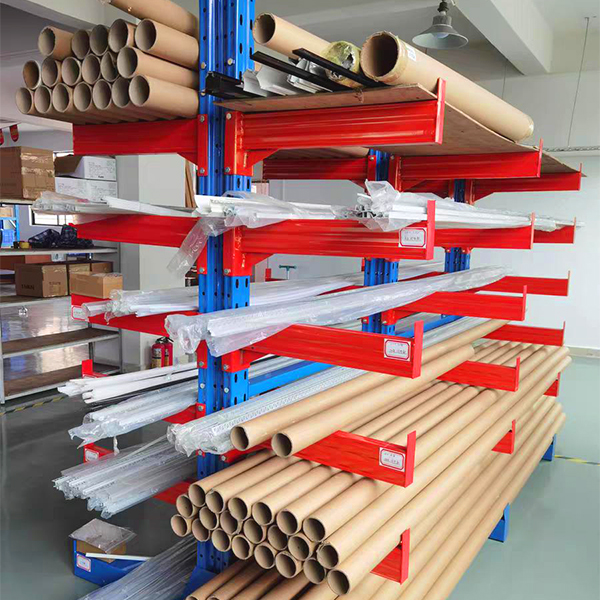
Beyond structural robustness, cantilever racks provide an unparalleled opportunity to optimize warehouse density. By utilizing a modular design, these racks can be configured as either single-sided or double-sided units, allowing managers to adapt the layout based on the warehouse floor plan and aisle dimensions. Kelida prioritizes workflow optimization when designing these layouts, ensuring that high-rotation stock is positioned for the most efficient retrieval path. Furthermore, the ability to adjust arm heights allows for vertical storage optimization, enabling businesses to store materials of varying sizes within the same footprint. This adaptability is key for businesses looking to scale their inventory without needing to expand their total facility size. A well-designed cantilever layout directly impacts the bottom line by minimizing the risk of inventory damage during handling and reducing the time operators spend navigating restricted or poorly organized storage areas.
In industrial environments, safety is the primary metric for long-term operational success. Cantilever racks must be designed to withstand the rigors of heavy machinery use, including accidental impacts from forklifts or unbalanced load distribution. Kelida utilizes rigorous manufacturing protocols to ensure that all system components—from the upright frames to the arm end-stops—conform to international safety standards. End-stops are particularly important for preventing material from sliding off the arms during loading or seismic events, providing an essential layer of protection for both employees and inventory. Regular structural audits, including checks for column plumbness and arm deformation, are critical for maintaining a high safety rating. By investing in a system that incorporates these safety-first design features, facility managers can minimize liability, lower insurance premiums, and foster a workplace culture that prioritizes safety as a core component of daily operations.
Modern logistics complexity requires a partner capable of moving beyond standard solutions toward customized, high-performance warehouse designs. Kelida prides itself on delivering high-capacity cantilever systems backed by a sophisticated supply chain and precision manufacturing capabilities. By aligning deep technical knowledge with an understanding of client-specific storage challenges, the team at Kelida provides a streamlined, professional experience from the initial warehouse simulation to the final onsite installation. Enterprises seeking to optimize their supply chain should view the cantilever racking system as a foundational asset that demands both expert engineering and reliable manufacturing support. Investing in the right system today ensures that the facility remains agile, safe, and ready to meet the evolving demands of the global market. With dedicated support for custom load-bearing requirements, height specifications, and material handling workflows, Kelida remains committed to empowering businesses to scale their infrastructure with confidence and professional reliability.

 EN
EN
 Hot News