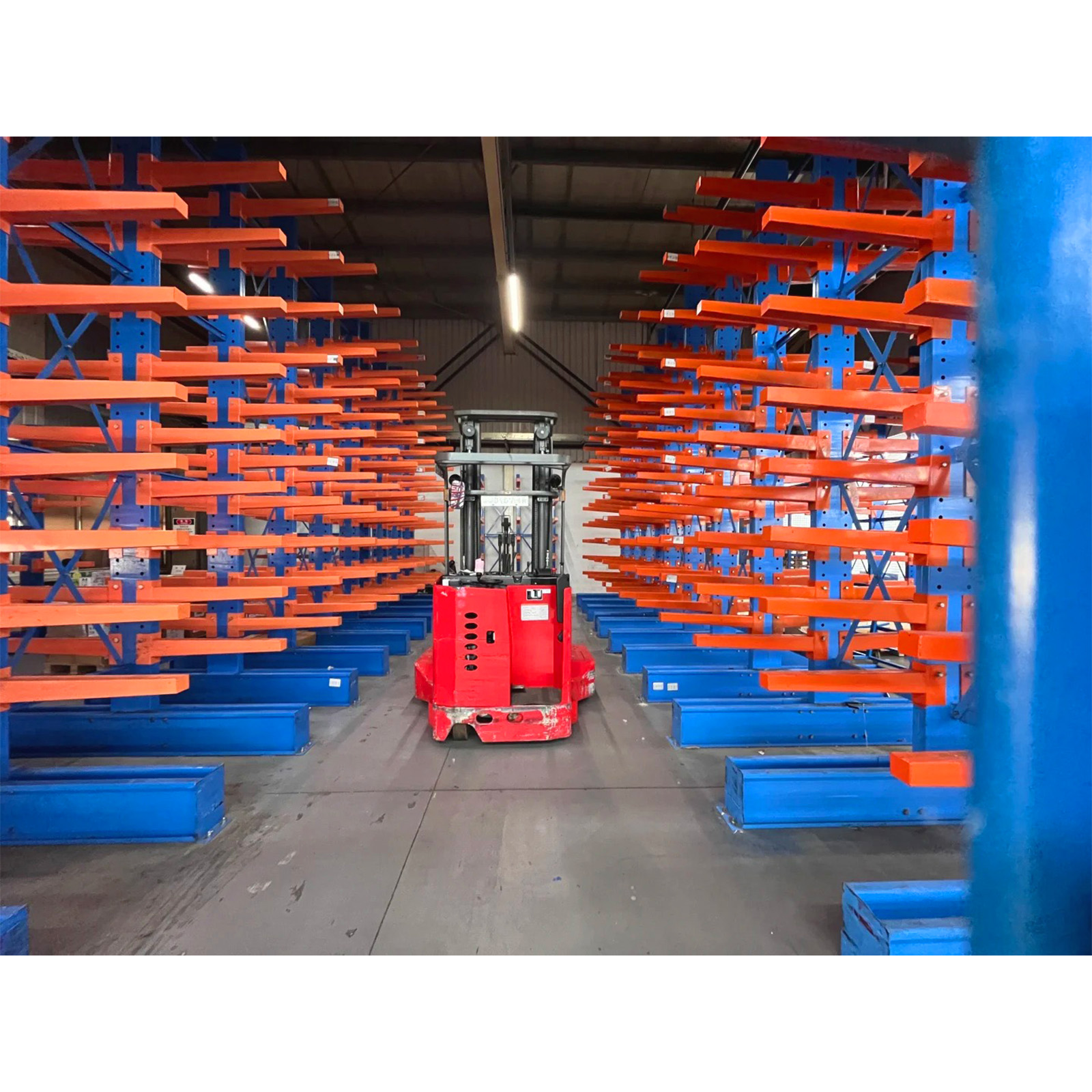
Industrial warehouse racking manufacturers now integrate AI and IoT to create intelligent storage ecosystems—proactively identifying structural risks and minimizing operational disruptions.
Embedded IoT sensors continuously monitor critical parameters:
This real-time surveillance detects early signs of beam deformation, weld stress, or foundation settling—triggering automated alerts before anomalies escalate into safety hazards or failures.
Modern machine learning systems look at past records and real time sensor information to spot early warning signs before equipment fails completely. These can include things like repeated stress patterns, tiny corrosion spots forming, or gradual changes in how loads are distributed across components. When these red flags appear several weeks ahead of time, maintenance teams can respond exactly where needed rather than following strict monthly checklists that might miss actual problems. A recent study from McKinsey back in 2023 showed pretty impressive results for this approach in manufacturing settings. They found that companies using predictive maintenance cut down unexpected shutdowns somewhere between 30% and maybe even half, while getting about an extra 20% lifespan out of their equipment racks. Beyond saving money, this method also helps keep workplaces safer since potential hazards get addressed before they become serious issues.
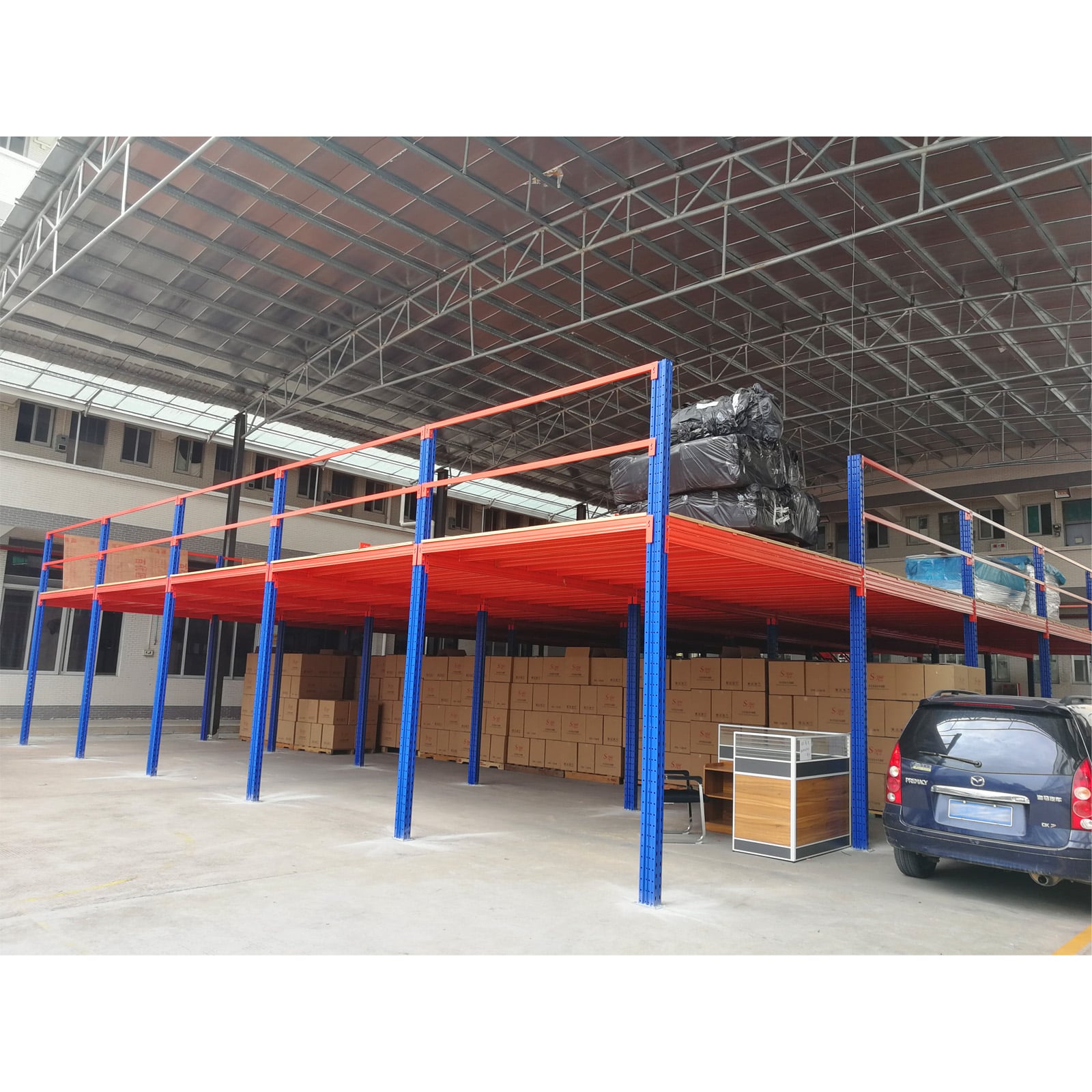
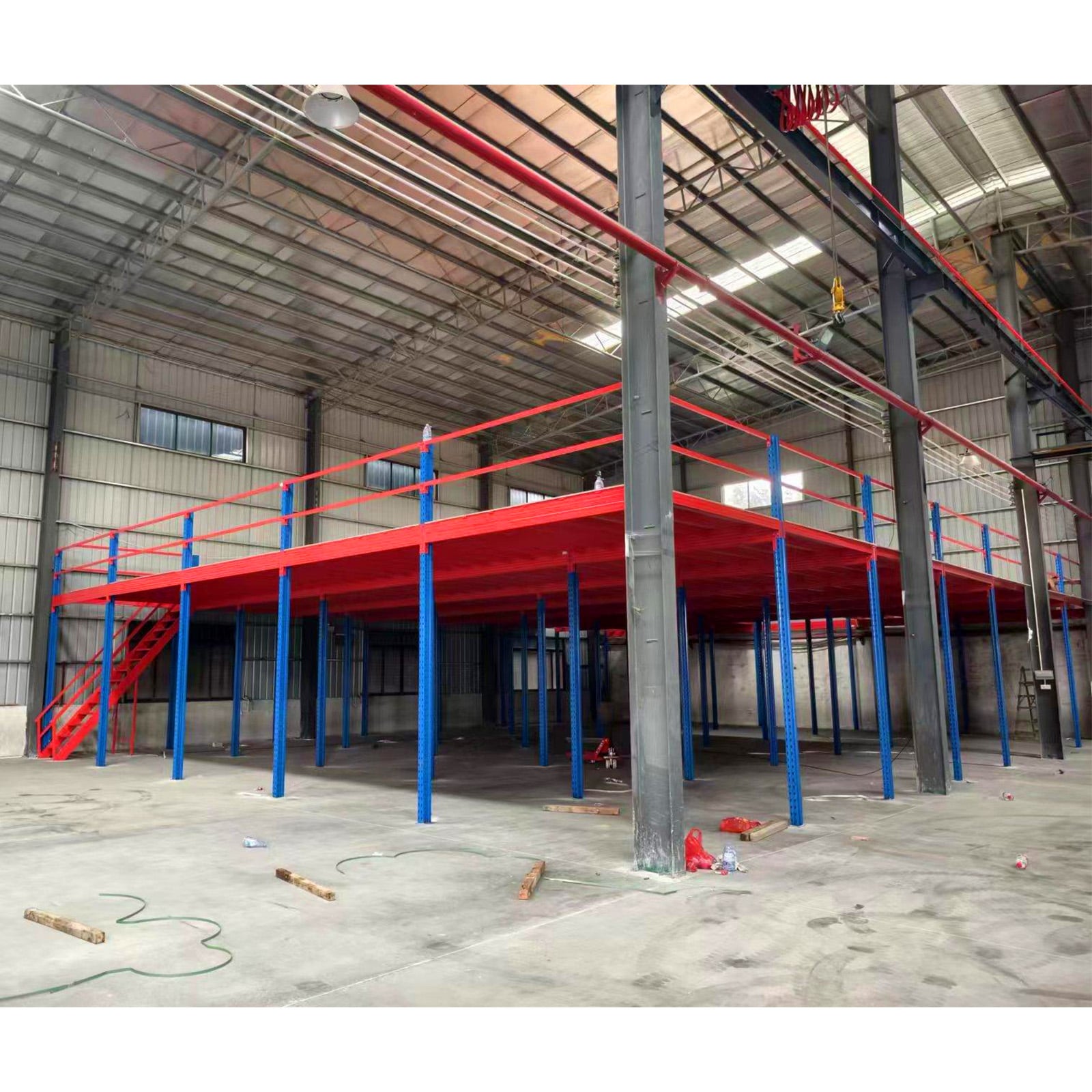
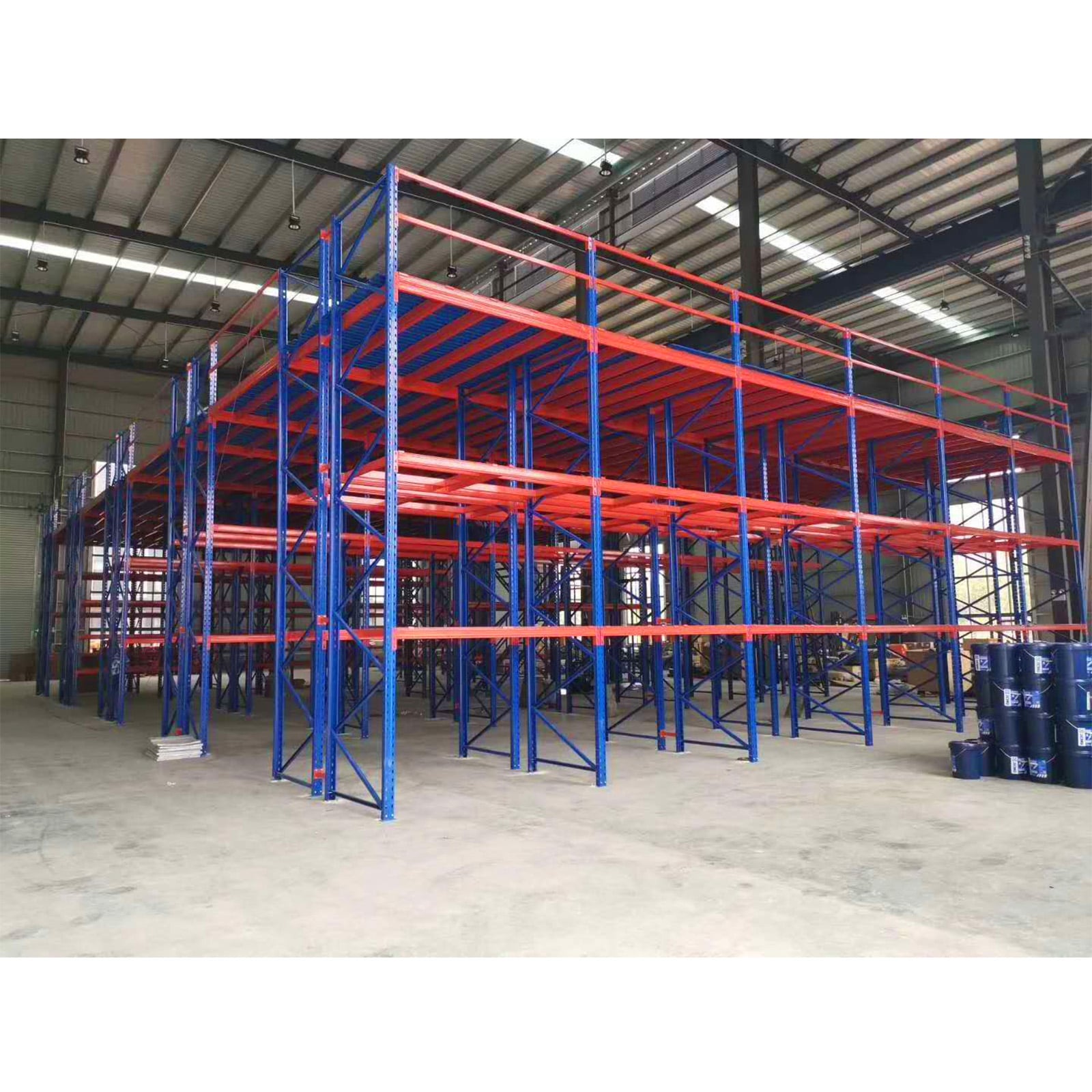
With industrial rents rising 18% year-over-year in 2023 and developable land shrinking, vertical density has become essential. Modern multi-tier racking systems use cantilevered and staggered platform designs to minimize ground footprint by 40–60%, while supporting palletized loads up to 3,000 lbs per tier and enabling clearances up to 50 feet.
Modern storage solutions now come equipped with earthquake protection built right in. Think things like base isolators and those special moment resisting frames that actually work during quakes by soaking up all that sideways shaking force while keeping everything stable. At the same time, there are these smart load sensors placed throughout the uprights and beams. They pick up when forklifts hit too hard or when boxes get stacked unevenly. All this information gets sent to central control systems which then either suggest changes or automatically adjust where weights should be placed. What does all this mean? Well, facilities stay compliant with OSHA standards for safety access, maintain their strength even when weather gets rough, and most importantly they can fit almost three times as much stuff in the same space compared to traditional setups.
Modular racking systems cut deployment time by 30–50%, thanks to pre-assembled components, standardized interfaces, and tool-free installation—ideal for fast-paced e-commerce retrofits and cold chain expansions.
When it comes to setting up warehouses for online sales, the layout really focuses on making things easy for those automated mobile robots to move around. That means creating wide paths that are free of obstacles and having adjustable ceiling beams so they can handle all sorts of products - from tiny packages right up to those big bulky items that take up so much space. For facilities dealing with frozen goods, the storage racks are built differently too. They use steel that's been dipped in zinc coating and parts covered with polyurethane because these materials stand up better against rust when exposed to freezing temps and lots of moisture. This setup helps keep everything running smoothly over time without needing constant repairs or unexpected maintenance costs popping up.
Integrated weight sensors and occupancy trackers provide real-time verification of load placement and tier utilization, reducing mis-picks by up to 40% in high-volume centers while maintaining FDA-compliant conditions for temperature-sensitive pharmaceuticals and biologics.
Top manufacturers of industrial warehouse racking have made sustainability part of their core business model rather than just tacking it on at the end. Most premium product lines actually use recycled steel for around 90% of their structural parts, which cuts down on the energy needed to make them from scratch by about three quarters compared to using new raw materials. For other components, companies are turning to certified wood from responsibly managed forests for platforms between shelves, while bio composite materials handle things like brackets and smaller fittings where strength isn't quite so critical.
More and more production plants are turning to solar energy for their operations, implementing closed loop systems for water reuse during coating processes, and adopting lean manufacturing methods to cut down on scrap materials. The precision of modern CNC machines, which operate based on parametric models, has been shown to slash material waste by around 35 percent. At the same time, buildings designed with modular components make repairs simpler, allow for easier modifications when needed, and facilitate recovery of parts at the end of their useful life. All together, these approaches can bring down carbon emissions across supply chains by approximately 40%. They also help meet those ever changing regulations from the EPA and EU Green Deal guidelines. What's interesting is that companies find they actually save money too. Looking at it all, it becomes clear that good structural design, flexible operations, and responsible environmental management aren't just compatible but actually support each other in today's advanced logistics setups.
Industrial warehouse racking is the foundational backbone of efficient, safe, and cost-effective warehouse operations—no warehouse optimization strategy can overcome ill-fitted, low-quality storage systems. By aligning your racking design, load capacity, and intelligent features to your facility layout, industry vertical, and operational goals, you’ll unlock maximum storage density, minimized downtime, and long-term regulatory compliance.
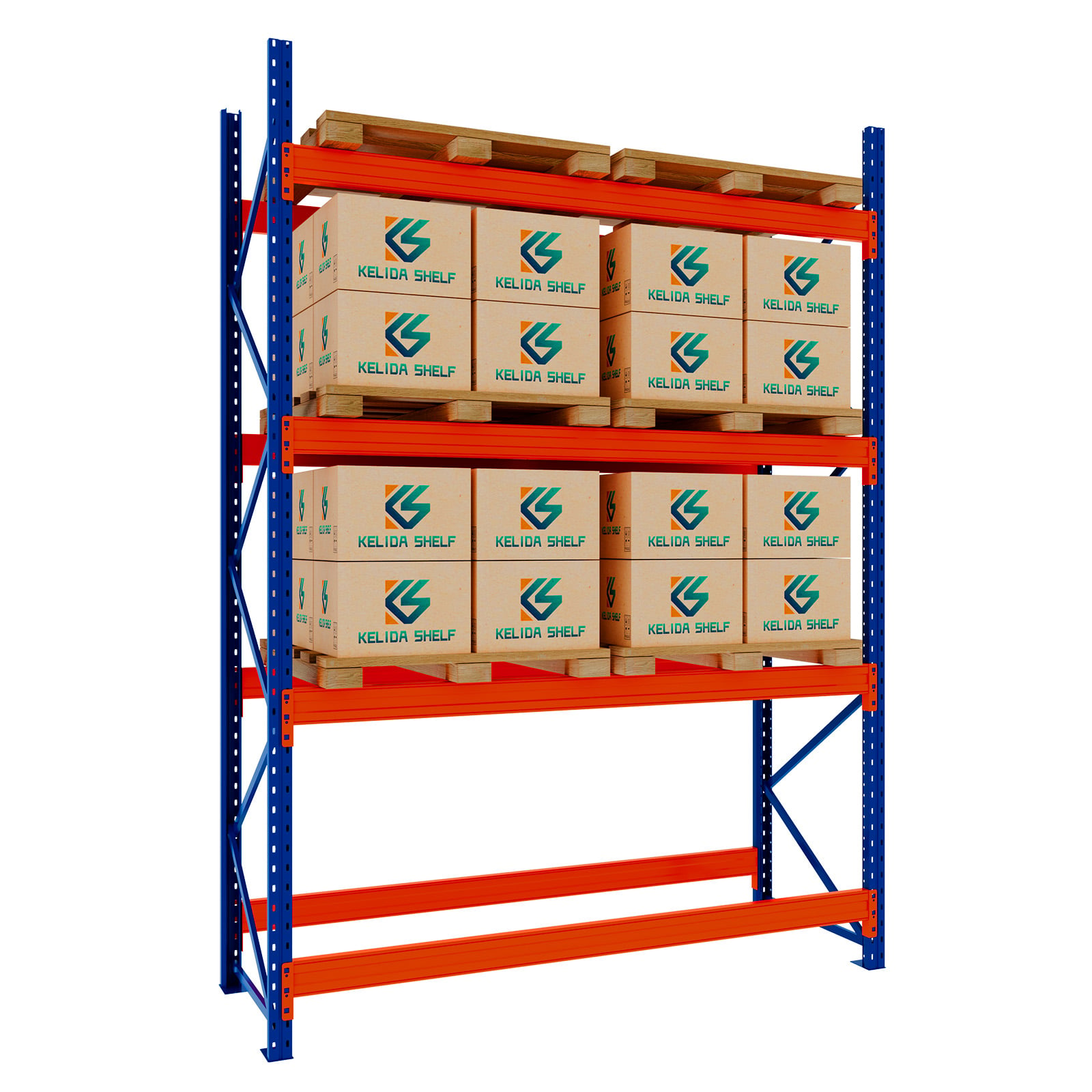
For industrial-grade, OEM-compatible warehouse racking solutions tailored to your unique storage requirements, or to build a full end-to-end storage system from initial design to final installation, partner with a manufacturer rooted in decades of industrial racking expertise. KELIDA SHELF’s 20+ years of industry experience spans custom racking engineering, in-house manufacturing, and full global project support for 1000+ completed projects across 30+ export markets. Contact us today for a no-obligation, free warehouse layout consultation and custom solution design.

 EN
EN
 Hot News