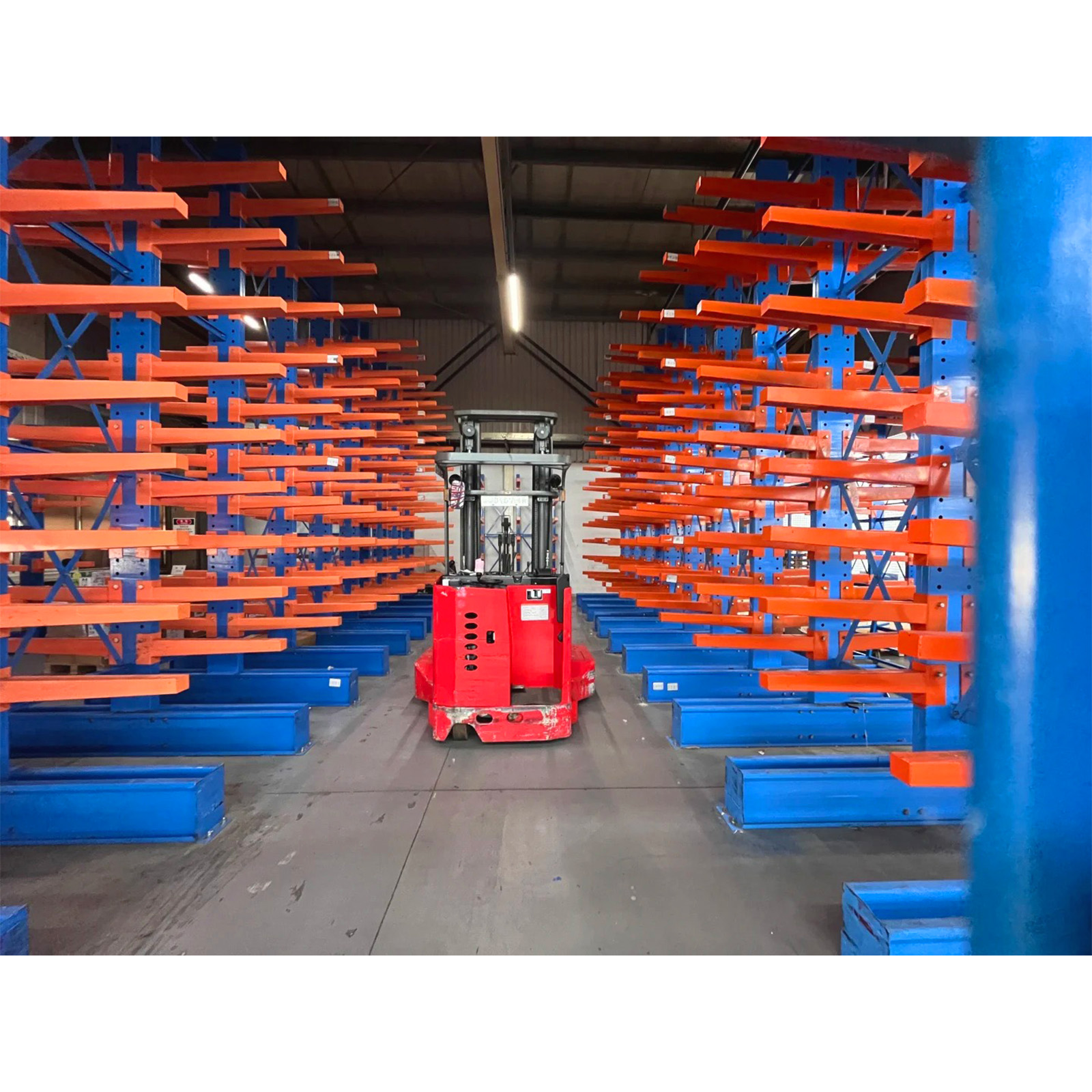
In any industrial warehouse, heavy duty pallet racking acts as the foundational backbone of logistics operations. While these steel structures are engineered to handle immense loads, they are not immune to the wear and tear of daily high-traffic warehouse life. Neglecting the health of a storage system can lead to compromised structural integrity, costly inventory damage, and, most importantly, severe risks to the workforce. Industry experts at Kelida frequently observe that facilities prioritizing proactive, scheduled maintenance not only extend the lifespan of their racking assets but also significantly improve operational efficiency. Moving away from a reactive "fix-it-when-it-breaks" mindset toward a robust preventive maintenance culture is the defining mark of a professionally managed warehouse. This transition involves consistent monitoring, clear accountability, and a commitment to maintaining the racking system in accordance with its initial design specifications.
A successful maintenance strategy starts with a rigorous and documented inspection protocol. It is vital to break down the racking structure into its core components—uprights, horizontal beams, diagonal bracing, and floor anchors—to assess each one for potential damage. Damage often manifests as minor surface dents, vertical bowing in the uprights, or micro-cracks in the welded connections. Kelida emphasizes that even small deformations caused by forklift impacts can significantly reduce the load-bearing capacity of a column. Operators should be trained to conduct routine visual inspections, while a professional structural audit should be performed at least annually. During these audits, the focus must be on verifying the plumbness of the uprights and ensuring that all beam-locking clips are secure. By systematically documenting these findings, warehouse managers can predict potential failure points and undertake necessary repairs or component replacements before an incident occurs.
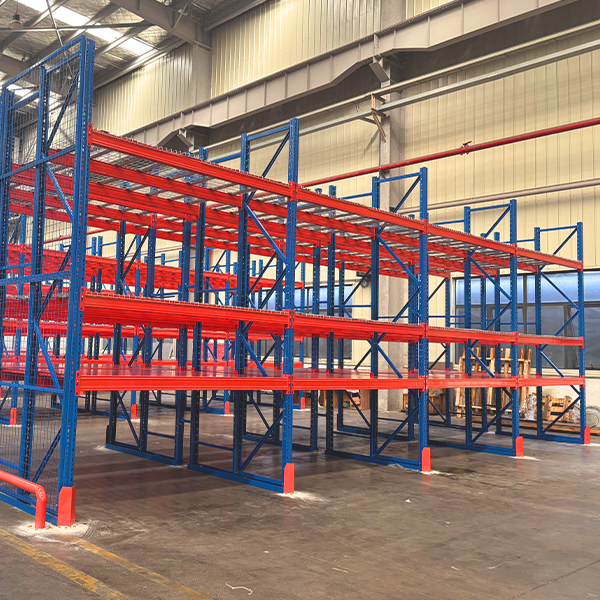
The most common cause of damage to heavy duty racking is accidental contact by heavy machinery. To mitigate this, facilities must enforce strict operational boundaries and incorporate physical protective measures. Installing high-visibility upright protectors, end-of-aisle rack guards, and column reinforcements acts as the first line of defense against the kinetic energy of forklifts. Furthermore, warehouse management should prioritize operator training programs that focus on careful maneuvering and proper pallet placement techniques. Ensuring that pallet loads are evenly distributed and that weight limits are clearly marked on every section of the racking is another essential best practice. When operators are fully aware of the load limitations and the physical constraints of the aisles, the likelihood of structural impact is substantially reduced. These simple yet disciplined operational standards serve as a continuous, cost-effective form of preventive maintenance that preserves the structural longevity of the entire facility.
Safety compliance is not merely an optional best practice; it is a regulatory requirement in the global industrial sector. Heavy duty pallet racking must be maintained to meet specific international quality benchmarks, which account for steel gauge consistency, weld quality, and seismic bracing requirements. Kelida utilizes advanced manufacturing protocols to ensure that every racking component is developed to withstand the rigorous demands of high-throughput environments. Transparency in manufacturing means that these systems come with clearly defined load capacity plaques, which serve as the primary reference point for safety audits. Facility owners must maintain a clear log of all modifications, repairs, and inspections to demonstrate compliance during safety reviews. By upholding these high standards of technical transparency and structural integrity, enterprises can minimize legal liabilities, significantly lower insurance premiums, and foster a professional environment where the safety of the workforce is treated with the highest priority.
Modern logistics complexity requires more than just high-quality hardware; it requires a strategic partner capable of providing ongoing infrastructure support and maintenance guidance. Kelida prides itself on delivering high-performance, heavy duty racking solutions backed by a sophisticated manufacturing chain and expert engineering design. By aligning deep technical knowledge with the specific storage challenges of diverse industries—from logistics centers to heavy manufacturing—the team at Kelida provides a streamlined, professional experience from the initial site simulation to long-term structural maintenance advice. Enterprises seeking to optimize their supply chain should view the racking system as a foundational asset that requires both expert design and reliable manufacturing support. Investing in a system from a trusted partner ensures that the facility remains agile, safe, and ready to meet the evolving demands of the global market. With dedicated support for custom load-bearing requirements, structural integrity assessments, and maintenance troubleshooting, Kelida remains committed to empowering businesses to scale their infrastructure with confidence, professionalism, and long-term reliability.

 EN
EN
 Hot News