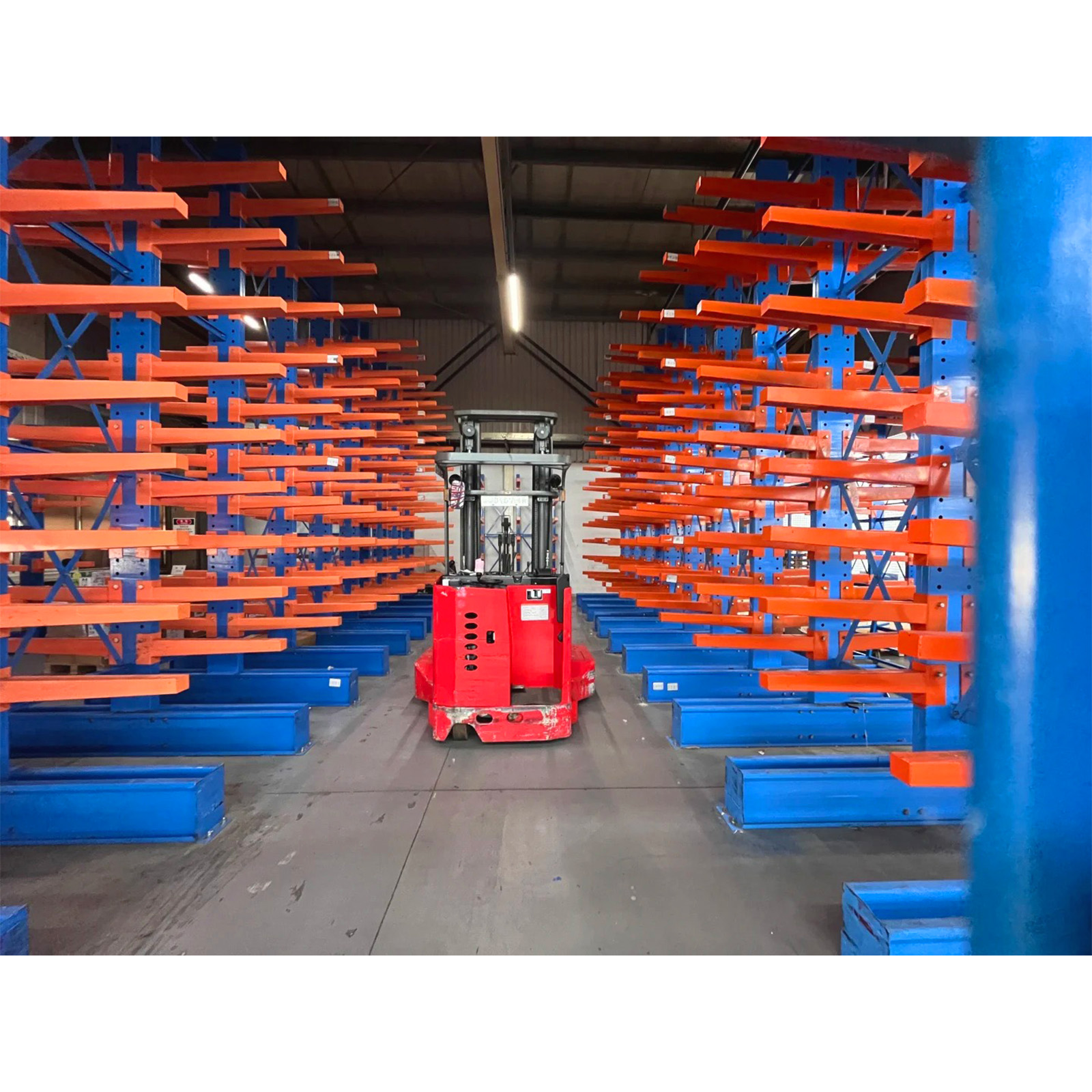
When distribution center managers and logistics directors plan facility layouts, choosing the correct warehouse storage system stands as one of the most vital capital investments for long-term operational success. Operational workflows often break down not due to a lack of overall floor space, but because storage infrastructure fails to match inventory profiles, SKU characteristics, and material handling velocity. Facility planning begins with a thorough, data-driven audit of pallet weight distribution, inventory turnover speed, forklift turning clearance cycles, and future inventory growth projections. Systems optimized for fast-moving retail goods rarely perform effectively in heavy industrial settings managing bulky, irregular components. Understanding your facility's unique operational DNA prevents costly retrofits down the line and ensures that your storage infrastructure acts as an accelerator for supply chain efficiency rather than a bottleneck, giving your commercial operations a distinct competitive edge from day one.
Reliable storage infrastructure relies heavily on advanced material science and structural engineering principles. High-performance industrial racks require premium structural steel fabrication, utilizing certified cold-rolled steel grades that guarantee exceptional yield strength and structural resilience under heavy and continuous loads. Engineers must calculate both static and dynamic weight distribution profiles, factoring in seismic parameters for regional compliance, vertical clearance tolerances, and cyclic fatigue limits. Precision manufacturing controls—such as strict beam camber accuracy, robust multi-web upright columns, and advanced connector welds—prevent structural deflection and guarantee workplace safety under maximum capacity constraints. Investing in high-grade raw materials ensures that the racking system maintains its structural integrity even under the rigorous demands of multi-shift industrial operations, reducing long-term maintenance costs and protecting workers.
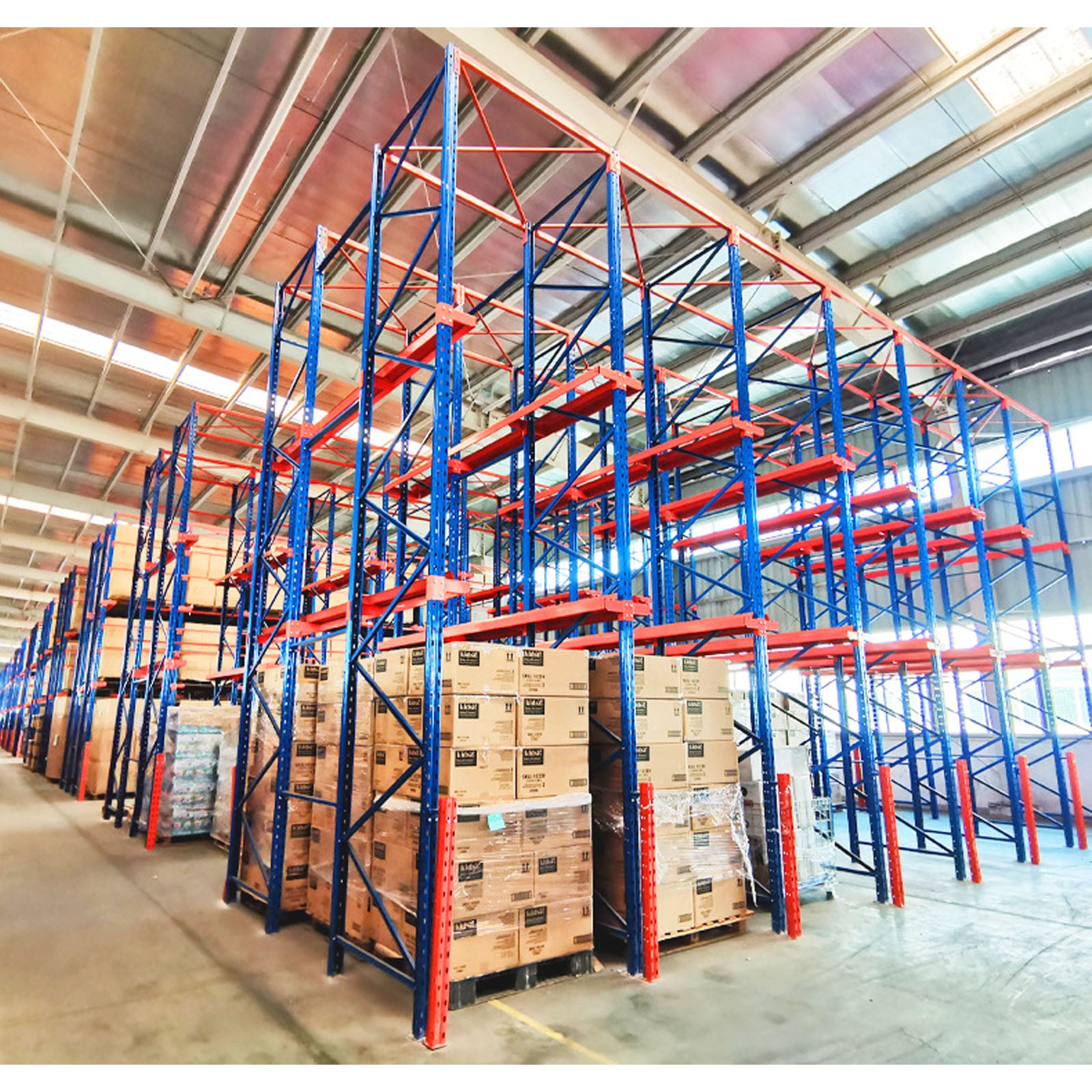
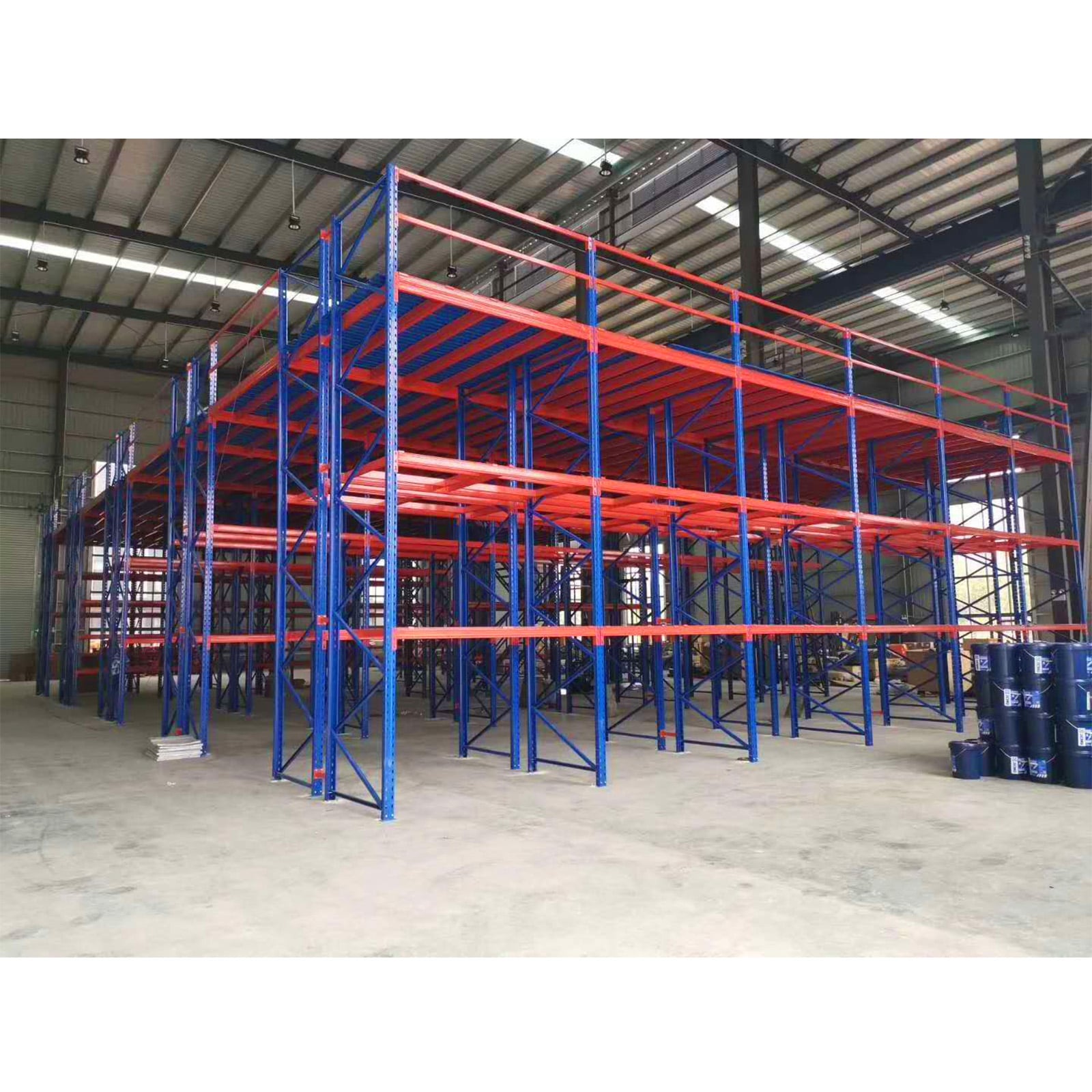
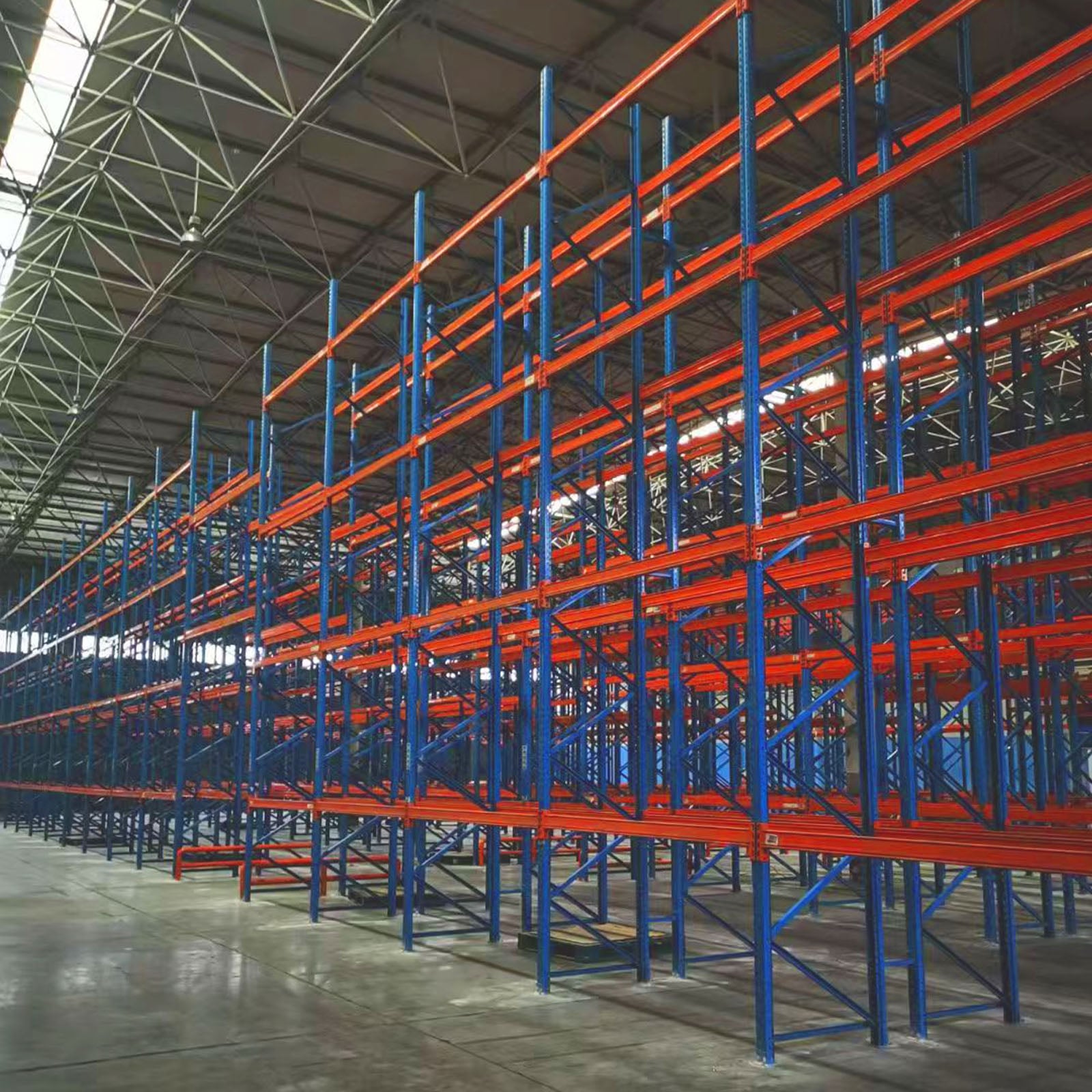
Warehouse design involves a careful trade-off between maximizing volumetric storage density and maintaining rapid inventory retrieval selectivity. Facility managers must carefully evaluate standard selective pallet racking against high-density alternatives like drive-in, push-back, or gravity flow configurations. While adjustable selective racks offer immediate accessibility for diverse product lines with minimal capital expenditure, high-density setups significantly boost cubic warehouse capacity utilization for uniform bulk items. Aligning your equipment choice with operational picking strategies—whether supporting first-in-first-out or last-in-first-out workflows—remains essential for reducing order fulfillment bottlenecks. A balanced storage strategy allows facilities to maximize every square foot of real estate without sacrificing the speed, accuracy, and operational agility required in modern e-commerce, manufacturing, and third-party logistics distribution environments.
Operational trust in storage infrastructure depends entirely on uncompromised safety compliance and rigorous quality verification procedures. Top-tier racking systems undergo extensive finite element analysis and destructive load validation testing to confirm structural safety margins under extreme operating conditions. Components must feature durable surface finishes, including electrostatic powder coating or hot-dip galvanizing, protecting against corrosion in harsh industrial, humid, or cold storage environments. Integrating secondary safety accessories such as column protectors, safety drop-pins, end-of-row guard rails, and heavy-duty anchor bolts mitigates accidental equipment impact risks and fulfills international occupational safety guidelines. This unwavering commitment to quality assurance protects both warehouse personnel and valuable inventory investments, ensuring seamless daily operations without regulatory setbacks.
Maximizing return on investment for warehouse storage depends directly on selecting a capable manufacturing partner with proven industry expertise and robust production capabilities. Achieving seamless integration between facility layouts and custom racking requires working with global suppliers equipped with automated roll-forming lines, advanced robotic welding, and comprehensive supply chain networks. Kelida Shelf leverages extensive manufacturing expertise and precision engineering capabilities to deliver custom-tailored racking systems that scale smoothly alongside growing business operations. By combining exceptional structural durability, reliable global delivery schedules, and responsive technical support, Kelida Shelf empowers modern facilities to build resilient, high-performance storage ecosystems designed for long-term commercial success and operational excellence.

 EN
EN
 Hot News