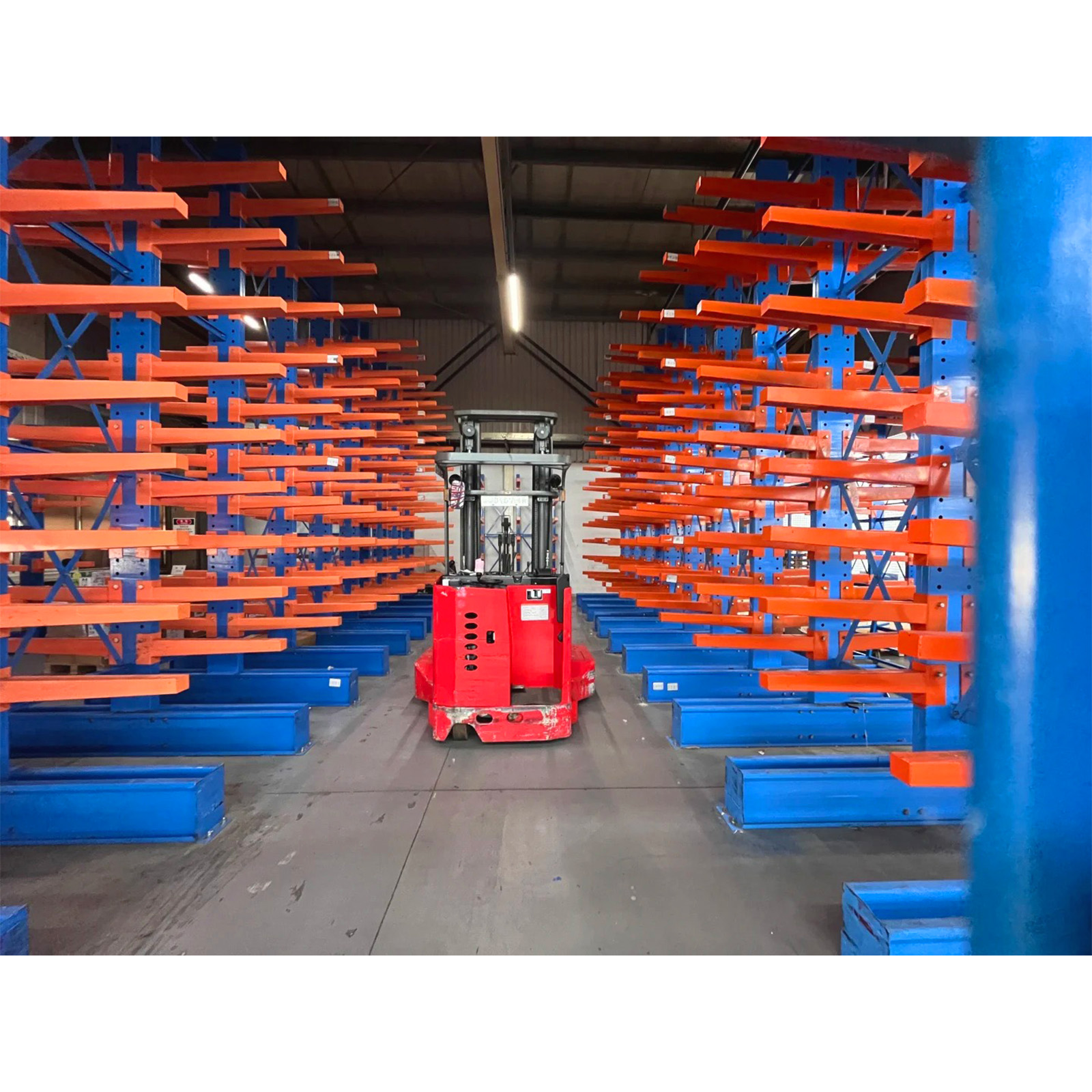
Today's warehouse storage systems are getting smart thanks to IoT sensors that keep track of what's in stock, where it sits, and even how hot or humid things get inside those metal shelves. The information collected from these sensors feeds into artificial intelligence models which learn about buying habits and predict when demand might spike or drop off. When this happens, warehouses can react faster. Fast selling products get moved closer to shipping areas, shelves rearrange themselves according to seasonality, and orders for new stock go out just before we run low on popular items. According to various studies across different industries, companies using these kinds of systems typically see around an 18 percent reduction in empty shelves while also keeping less extra product sitting around unused. For warehouse staff, all this means they spend less time guessing what needs doing next and more time actually managing operations effectively instead of chasing down missing parts or dealing with unexpected shortages.
Edge AI puts smart processing right inside storage rack structures so decisions happen almost instantly without waiting for cloud responses. Special vibration detectors and weight sensors constantly check how stable the racks are, sending warnings when things get too heavy on one side or when parts start showing signs of wear. These predictive maintenance tools can spot tiny cracks forming in vertical supports or weakened connections long before they become problems, then automatically schedule repairs during off hours. At the same time, intelligent software keeps shifting where pallets sit within each storage area, spreading out heavier items evenly while figuring out the quickest routes for workers to grab what's needed based on daily orders and staff availability. By handling all this locally instead of relying on distant servers, warehouses see around a 90% drop in response delays compared to traditional setups. The result? Storage systems that basically run themselves most of the time, keeping inventory moving smoothly with far less need for constant human monitoring.
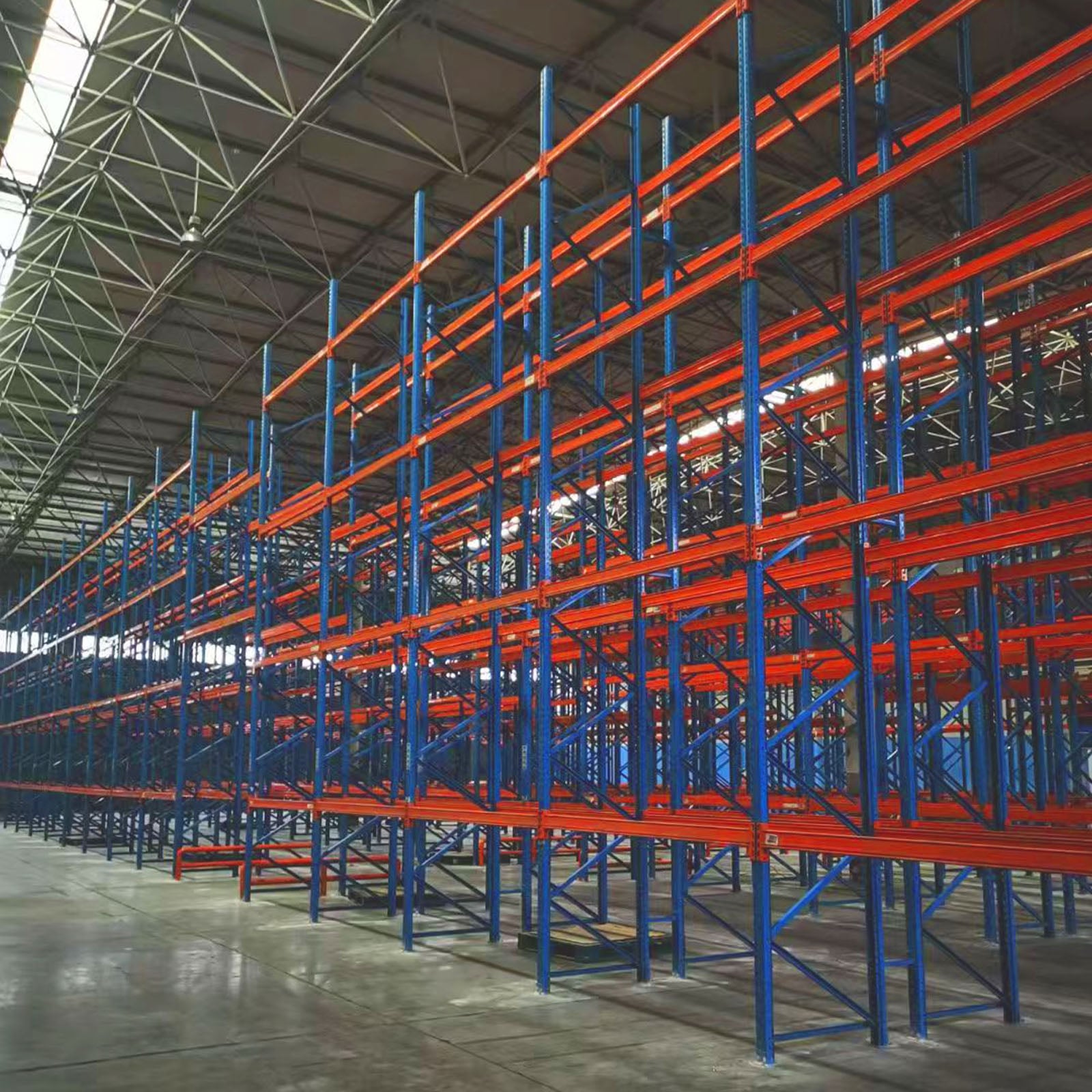
Warehouses facing space limitations often turn to three main types of high-density racking solutions. Let's start with pushback racking. This system keeps pallets stacked anywhere from 2 to 8 deep using those nested carts that sit on sloped rails. When someone takes out the front pallet, the next one rolls forward automatically. Pretty clever design really. Then there are pallet flow systems which rely on gravity powered rollers to move products continuously through tight spaces at impressive speeds. These systems work great in facilities where speed matters most. The third option is mobile racking technology. Instead of fixed aisles, these systems mount whole racks onto motorized platforms. Workers simply call up the specific lane they need, which dramatically increases storage capacity sometimes as much as 80%. All these approaches help warehouse managers make better use of both vertical and horizontal space while reducing the amount of time forklifts and AGVs spend traveling between locations. Makes sense when every square foot counts in today's logistics world.
Gravity flow racking keeps things moving in strict first-in-first-out order because of those carefully angled declines built right into the system. The heavy duty rollers can handle pallets weighing as much as 3,000 pounds each spot, while the lighter versions work great for boxes and containers too. FlowCell tech actually has those plastic cells that lock together to control how fast items slide down and cushion impacts along the way. This protects delicate stuff like computer parts or medicine shipments from getting damaged during storage. When materials go in one side and come out the other, there's no need for workers to manually rotate stock around. Warehouse managers report seeing about a 23% drop in outdated inventory since implementing this kind of system, based on research published in logistics journals. What we get is basically a continuous movement pattern woven directly into the storage structure itself.
AS/RS systems transform standard warehouse racks into active parts of the fulfillment process rather than just passive storage spaces. Inside these systems, robotic cranes move along tracks while shuttle carriers zip back and forth between storage locations. Conveyor belts work in sync throughout the towering rack structures, which means workers don't need to walk through aisles anymore. The whole system takes advantage of vertical space in a way traditional warehouses simply can't match. When connected to warehouse management software, these systems hit around 99.9% accuracy in tracking inventory according to recent industry reports from 2024. They also cut down on retrieval times by roughly half to three quarters compared to manual methods. Storage density goes up about 85% over traditional setups, and this matters because it reduces reliance on human labor. This becomes especially important when dealing with things like frozen foods in cold storage facilities, sensitive equipment in cleanrooms, or dangerous materials that require special handling. These rack structures aren't just sitting there holding stuff anymore; they're actually part of the automated workflow now.
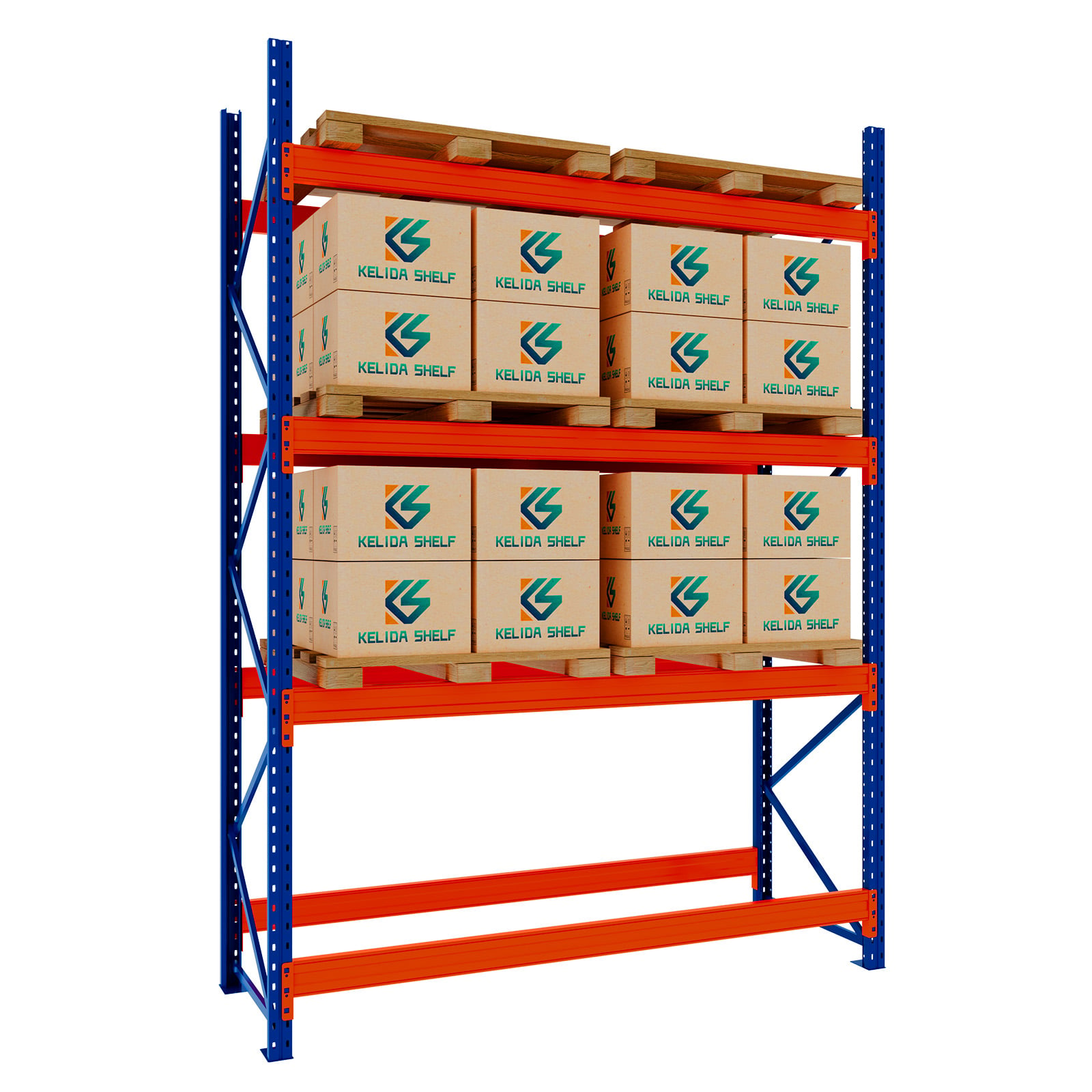
Industrial storage racking that's built for the future focuses on modular designs, scalable vertical options, and designs tested through simulations. The modular parts make it easy to adjust heights, depths between bays, and spacing between beams. This flexibility cuts down initial costs around 30% compared to traditional fixed setups and saves time when expanding operations since there's less downtime involved. Going vertical frees up valuable floor area for actual production work rather than just storing stuff. Some warehouses have seen their output jump by about 40% per square foot after making this switch. Digital twins are becoming really important these days too. They let companies test out different racking arrangements, how materials move through the facility, and how automated systems will interact long before anything gets installed on site. These computer models help spot problems in storage areas, picking stations, and shipping docks ahead of time. While they cant predict everything, most businesses find that running these virtual tests reduces risks during actual implementation and speeds up return on investment by roughly 25%, mainly because space gets used better and workflows actually match what was planned on paper.

 EN
EN
 Hot News