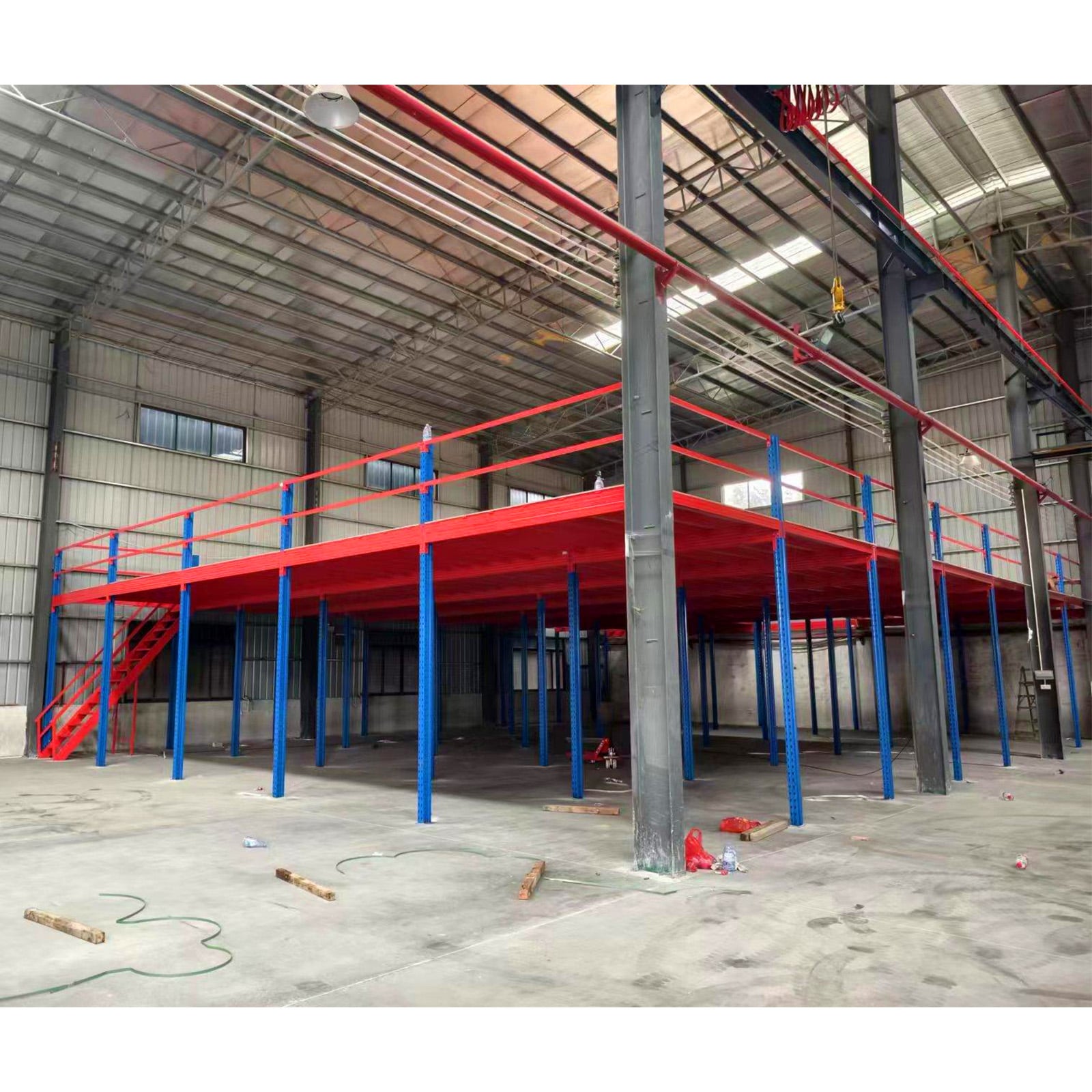
Mezzanine platforms unlock underutilized overhead space—transforming 18+ foot ceilings into functional, code-compliant square footage. Businesses routinely gain 50–100% more operational capacity without moving, expanding walls, or disrupting daily operations. Unlike traditional construction, modular mezzanines deploy in weeks—not months—with leading manufacturers reporting implementation up to 80% faster than ground-up builds. This vertical strategy keeps teams, equipment, and workflows centralized while scaling infrastructure responsively.
A mezzanine platform typically costs 60–70% less than new construction—and avoids the full burden of relocation, which averages $740,000 (Ponemon Institute, 2023). There are no property taxes, lease renegotiations, or extended downtime. Steel-framed systems often deliver ROI in 12–18 months through immediate space utilization, with minimal ongoing maintenance versus facility-wide upgrades.
Mezzanines support dynamic, multi-role applications across industries:
This adaptability means one platform can evolve—from storage to light assembly to automated packaging—without demolition or reconstruction.
Three foundational criteria determine structural feasibility:
| Factor | Minimum Requirement | Impact of Non-Compliance |
|---|---|---|
| Floor Load Capacity | ≥ 125 PSF | Structural failure risk |
| Clear Ceiling Height | ≥ 14 ft | Installation not viable |
| Column Grid Spacing | ≤ 30 ft | 18%+ cost premium |
Even facilities meeting structural thresholds face integration complexities:
Selecting the right configuration aligns structural support with your facility’s layout, load needs, and long-term flexibility:
| Configuration | Structural Support | Max Load Capacity | Best Use Case |
|---|---|---|---|
| Freestanding | Independent columns | 350 lbs/sq ft | Heavy machinery, offices |
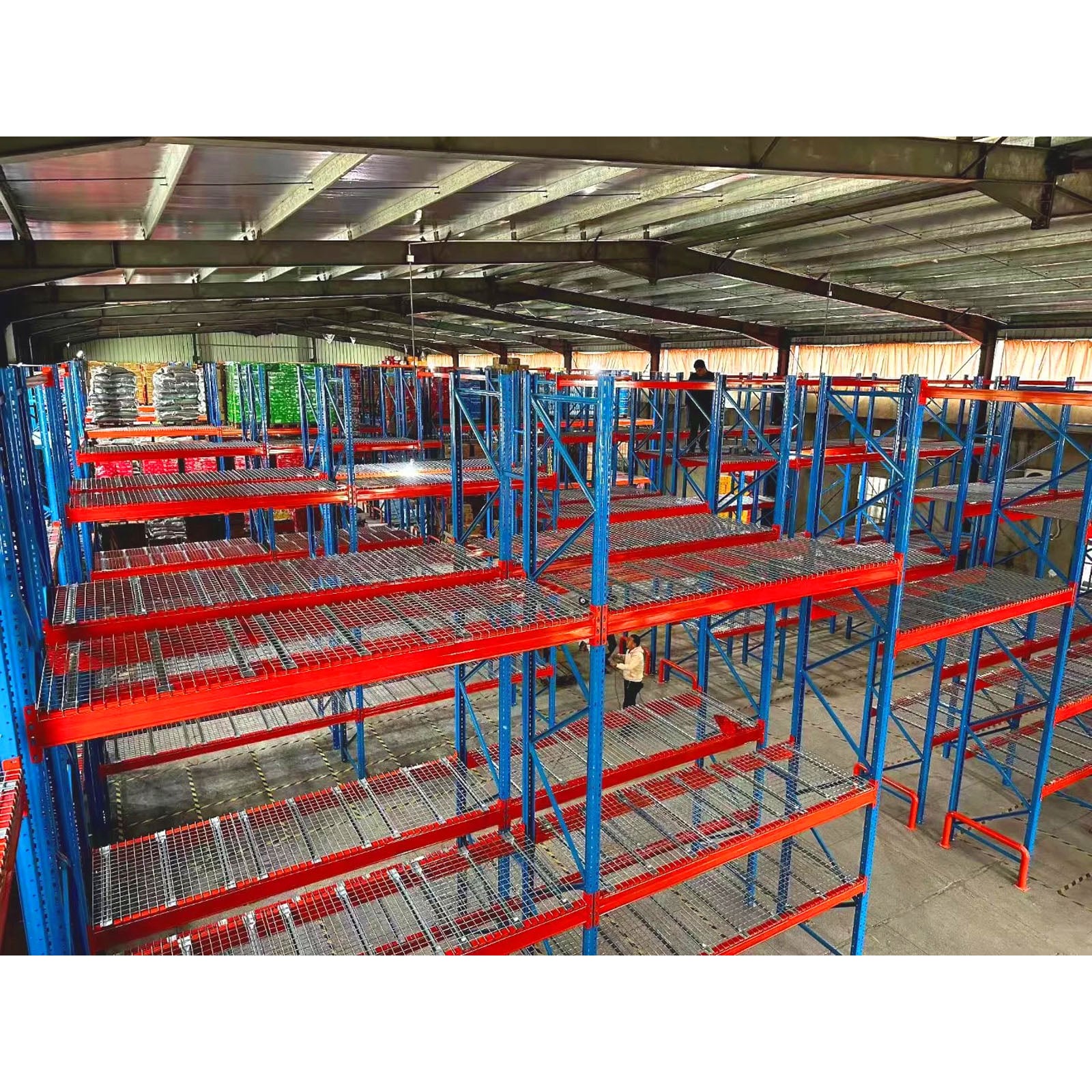
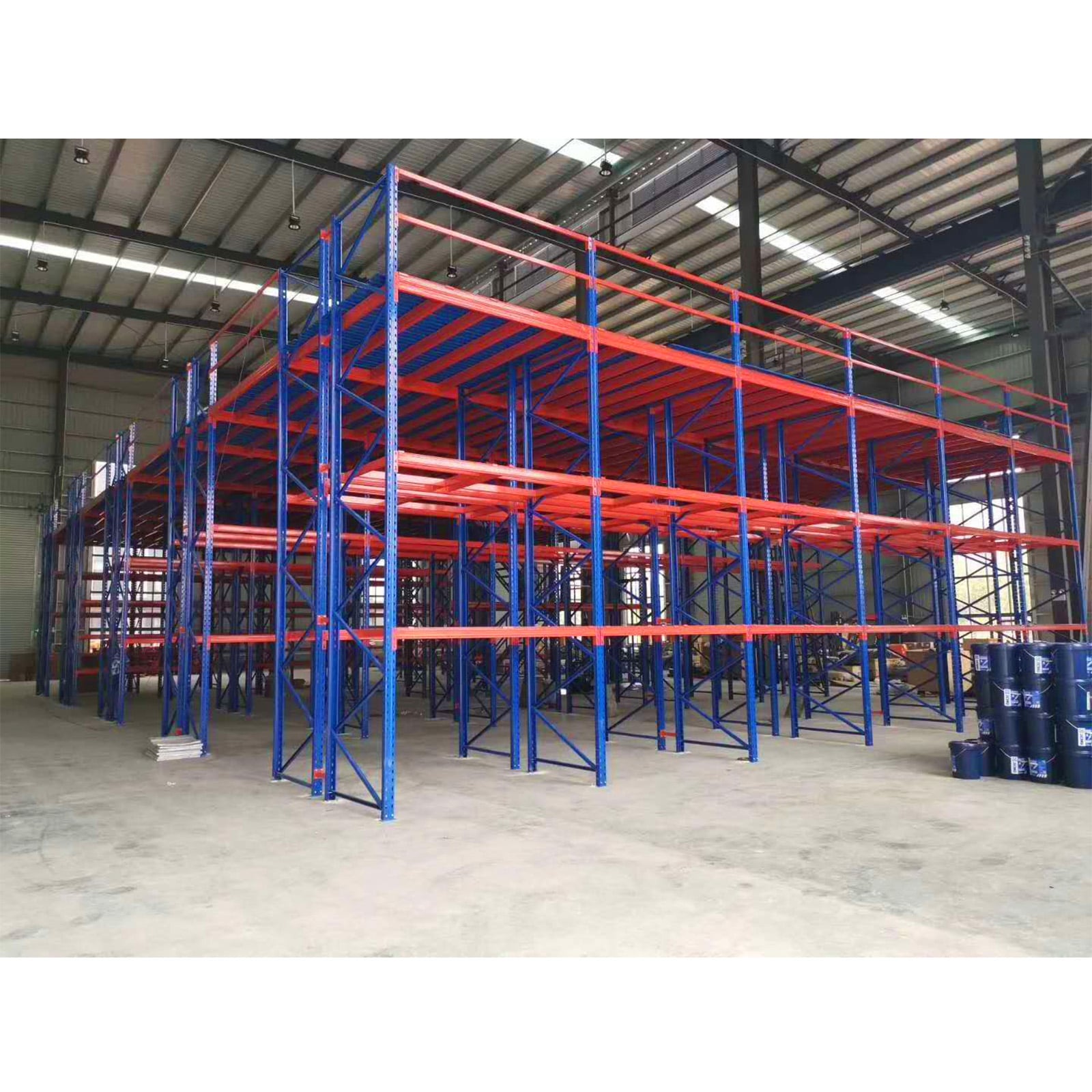
| Rack-Supported | Pallet rack uprights | 250 lbs/sq ft | High-density storage |
| Shelving-Supported | Storage system frames | 125 lbs/sq ft | Light assembly, pick zones |
Always validate floor load ratings, seismic design requirements, and local building authority approvals with a licensed structural engineer before finalizing your selection.
Your mezzanine platform must meet both the International Building Code (IBC) for structural performance and OSHA regulations for worker safety—including guardrail heights (42 inches minimum), stair dimensions (7-inch max riser, 11-inch min tread), and load-bearing certifications. Non-compliance carries enforcement risks: fines exceed $50,000 per violation, and operational shutdowns may follow.
Seamless integration begins before fabrication—through rigorous workflow analysis that maps material flow, inventory handoffs, and equipment interaction points. Skipping this step risks bottlenecks, misaligned staging zones, or ERP/MES disconnects. Likewise, designing for future automation—such as pre-engineered mounting points for conveyors or power/data conduits—reduces retrofitting costs by up to 40%.
Sustained performance relies on scheduled maintenance audits and operator training—not just at launch, but annually. Proactive planning ensures your mezzanine delivers continuous, scalable value—without costly rework or safety incidents.
Mezzanine platforms help utilize underutilized vertical space in industrial facilities, providing additional functional areas like storage, office space, and operational zones without requiring relocation or new construction.
Mezzanine platforms typically cost 60–70% less than new construction and offer faster deployment times, often delivering a return on investment in 12–18 months.
The main types of mezzanine platforms include freestanding, rack-supported, and shelving-supported configurations. Each type suits different structural layouts and operational needs, like heavy machinery or high-density storage.
Key factors include floor load capacity, clear ceiling height (at least 14 feet), column grid spacing, and compliance with local building codes and OSHA regulations.
Yes, mezzanine platforms can be designed to accommodate automation technologies, including conveyors, robotic arms, and vision-guided systems, reducing future retrofitting costs significantly.

 EN
EN
 Hot News