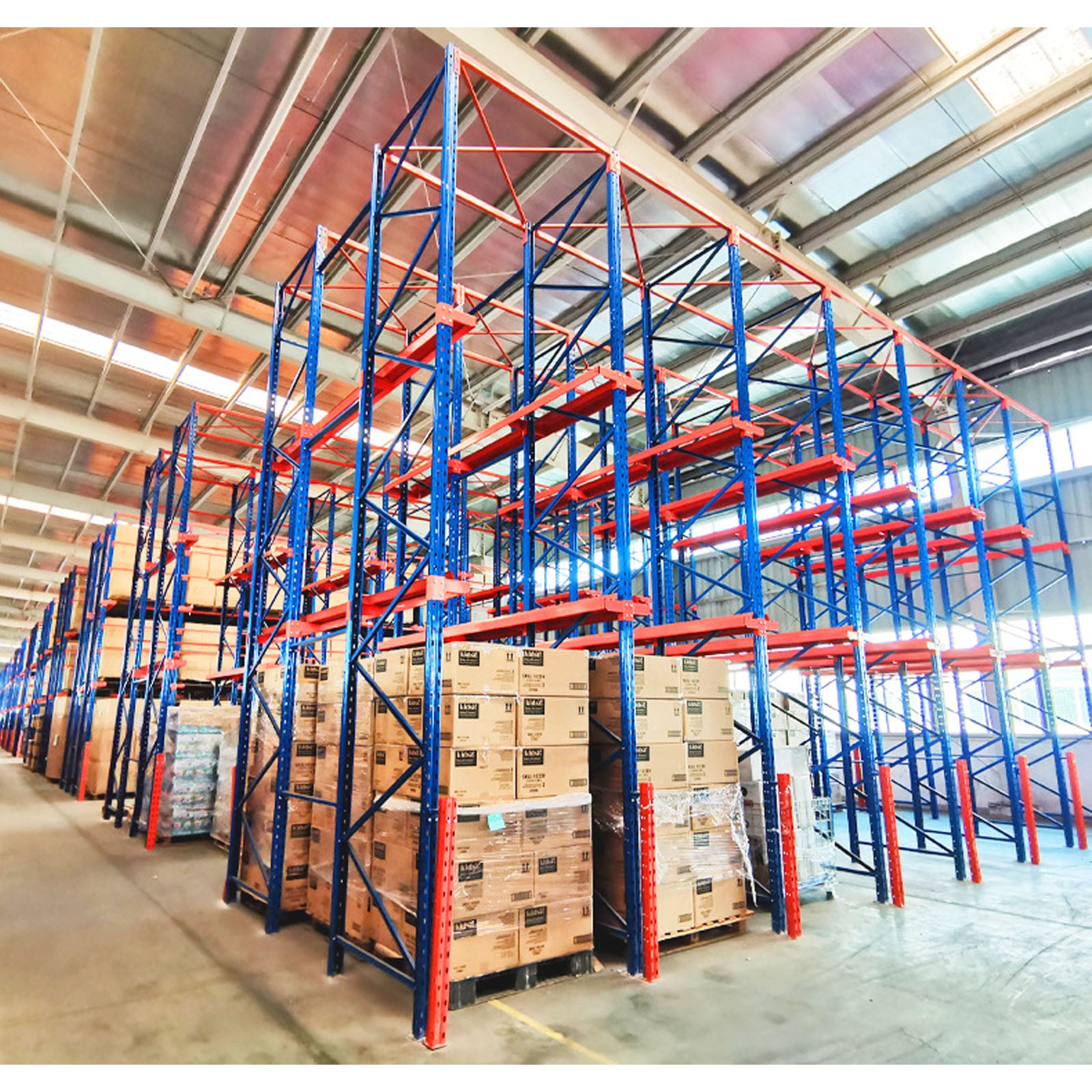
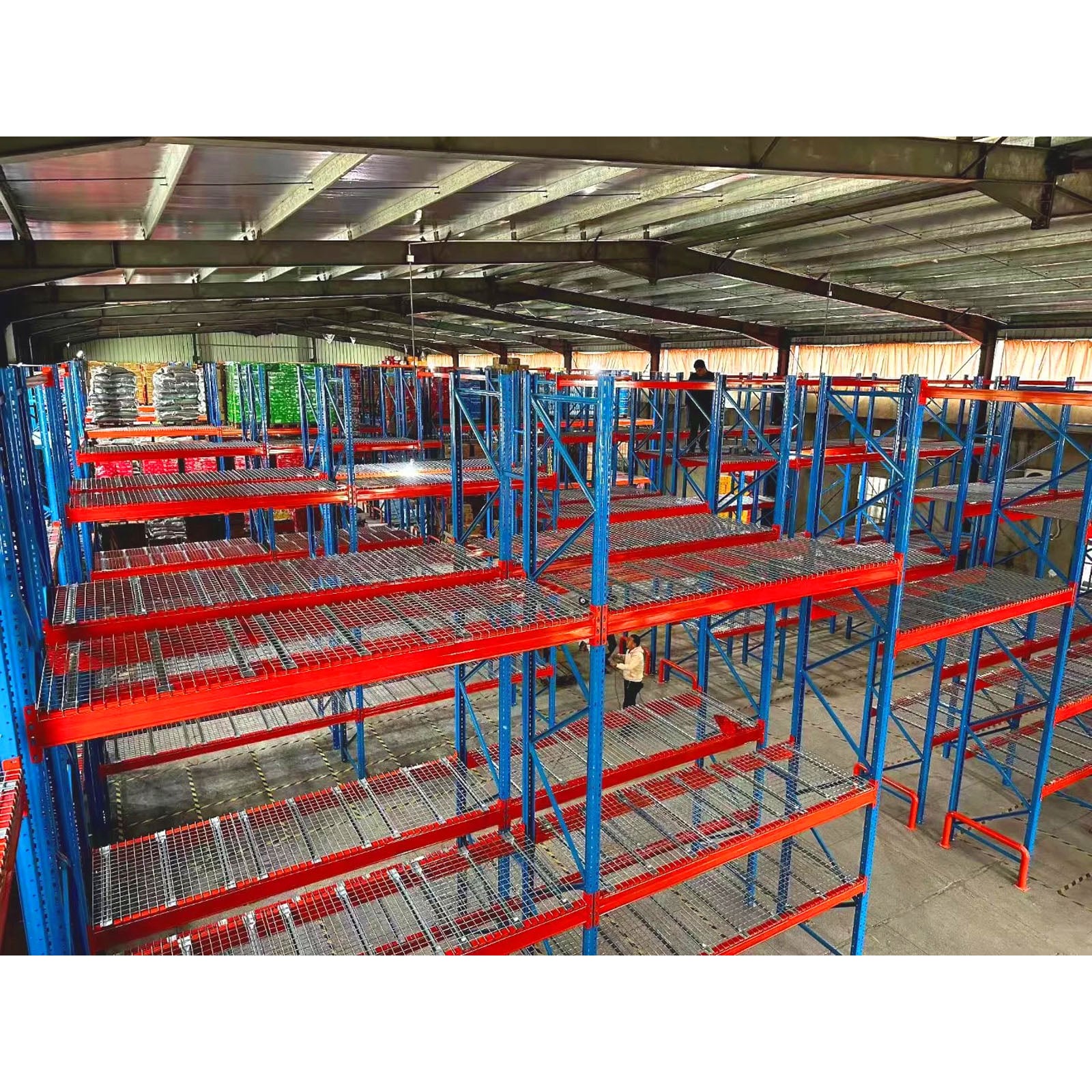
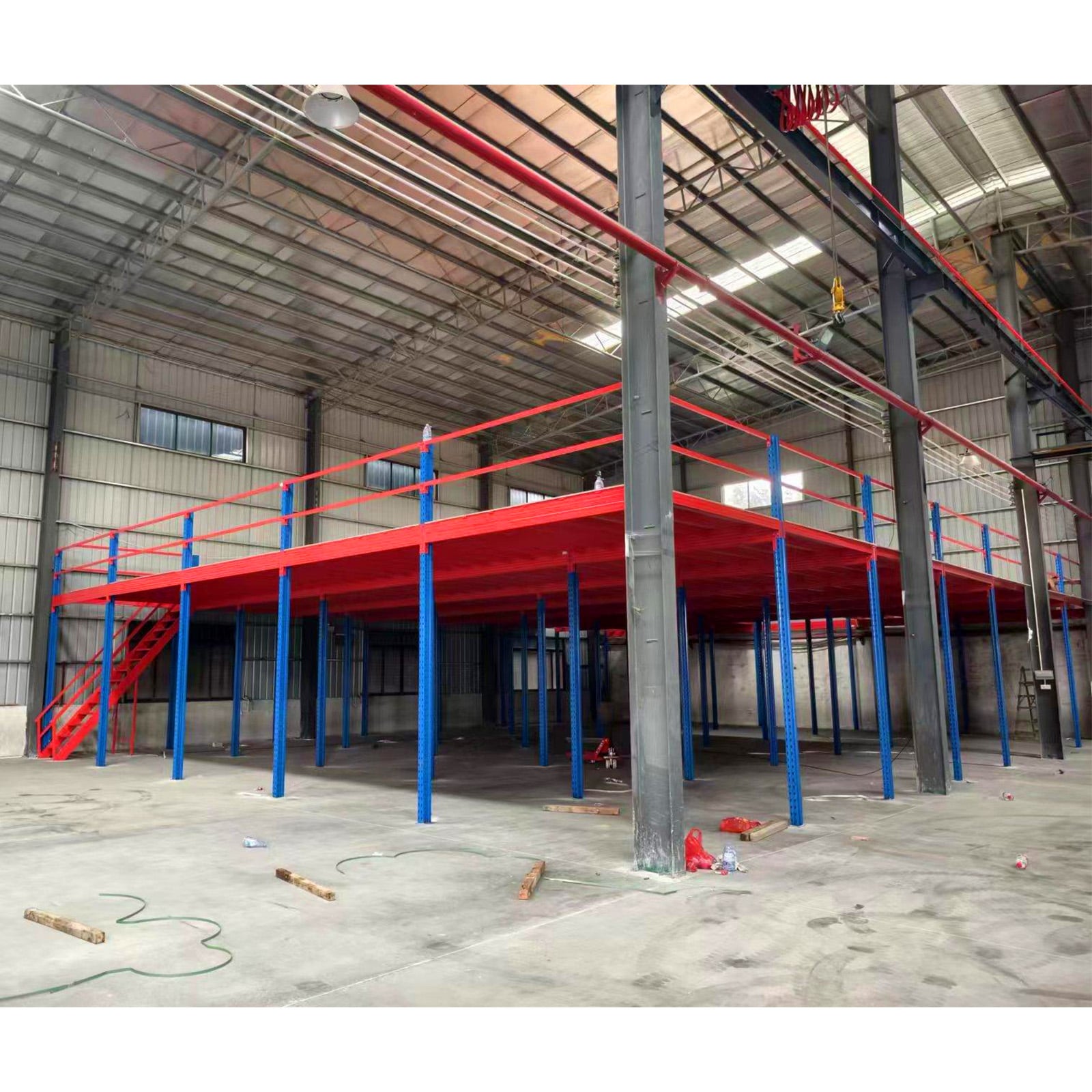
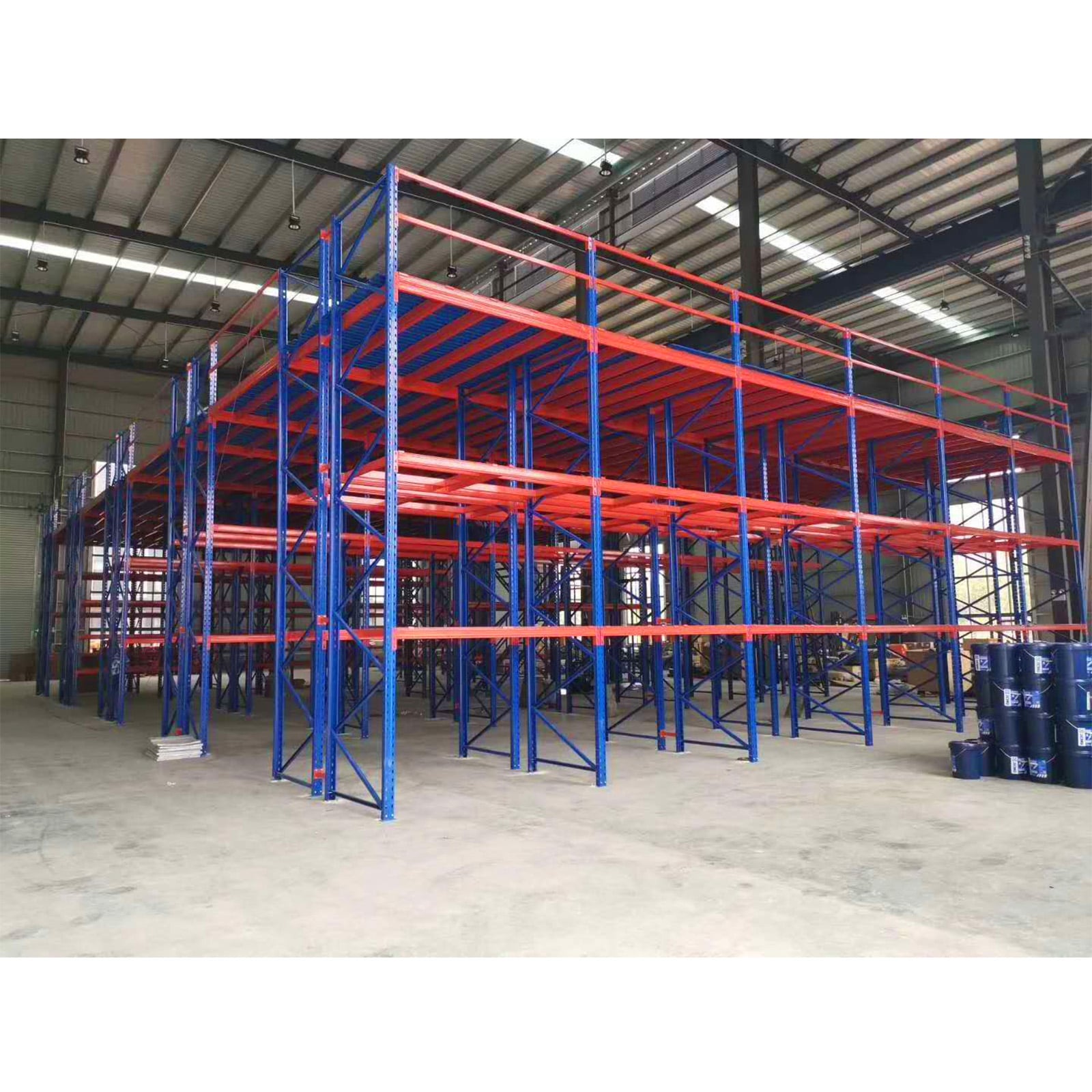
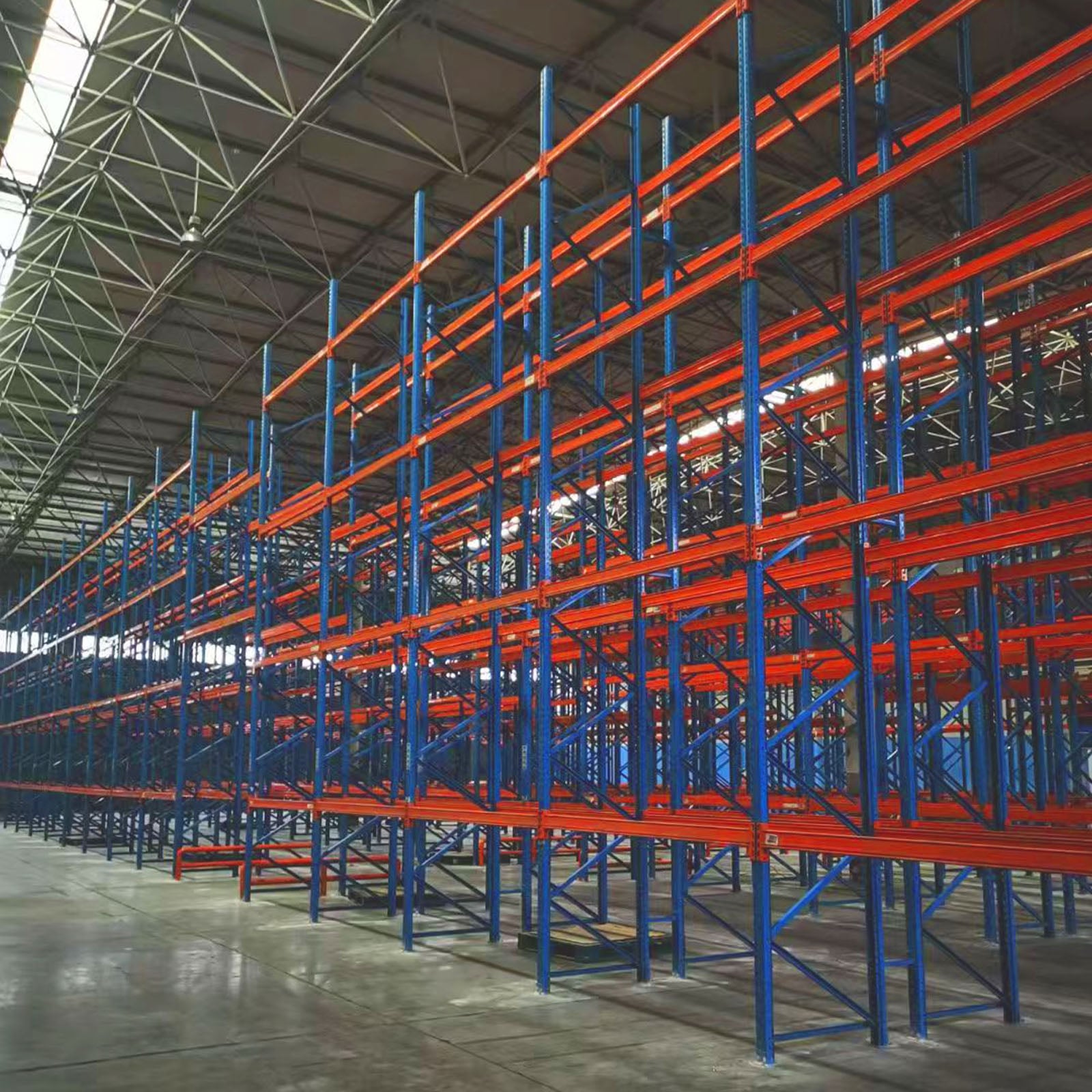
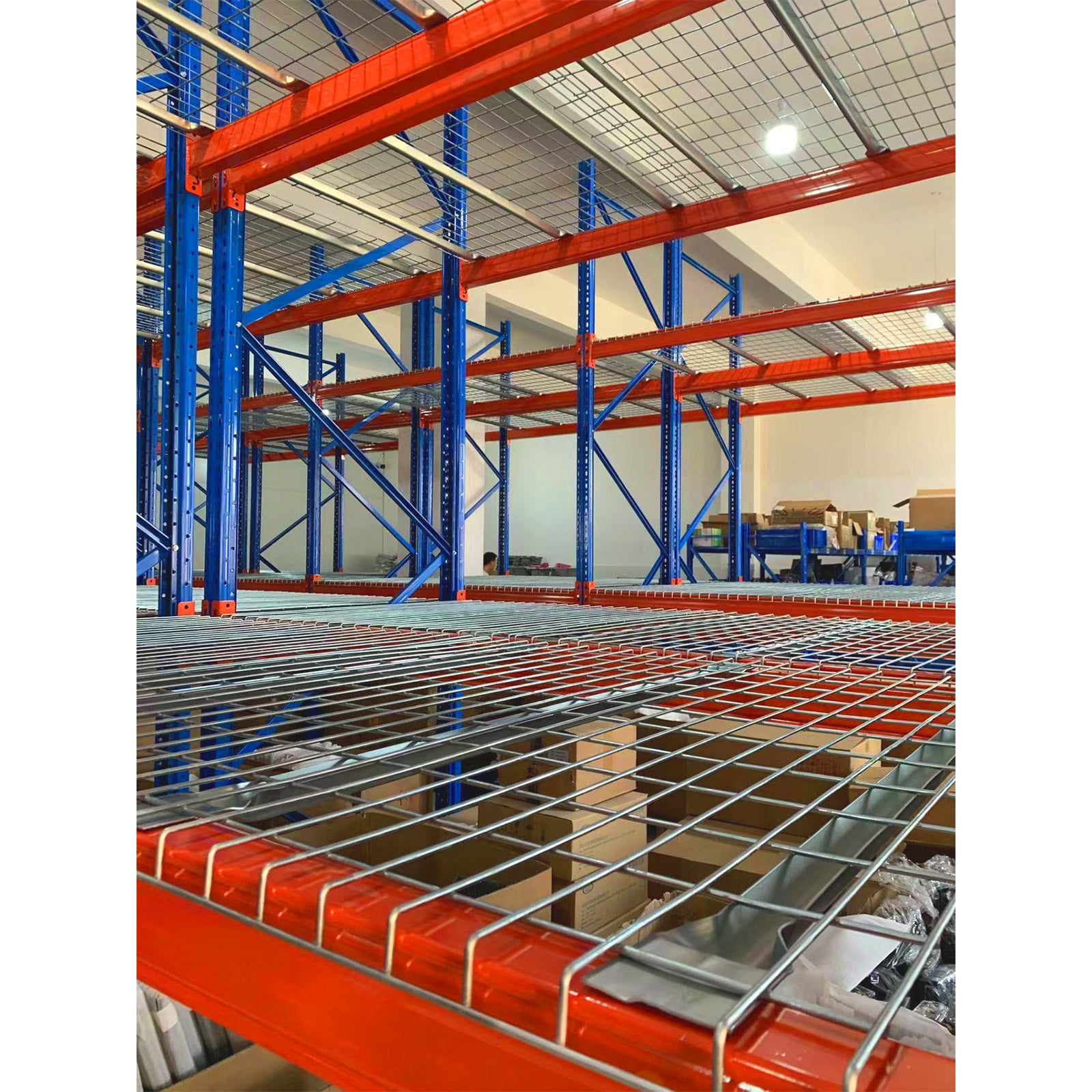
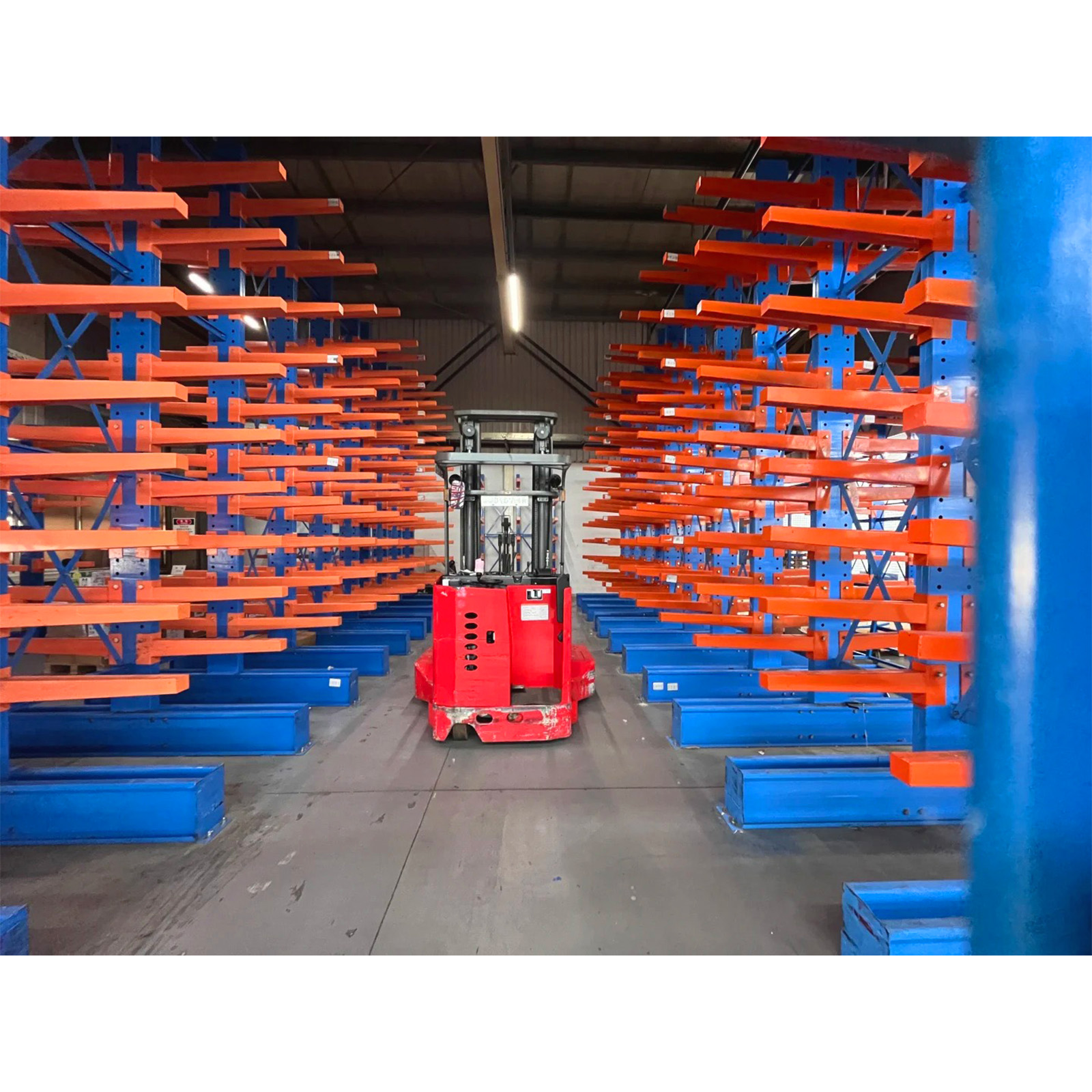
Les plateformes intermédiaires libèrent un espace aérien sous-utilisé — elles transforment des plafonds de plus de 5,5 mètres en une surface utile fonctionnelle et conforme aux normes en vigueur. Les entreprises gagnent régulièrement 50 à 100 % de capacité opérationnelle supplémentaire sans avoir à déménager, agrandir leurs murs ou perturber leurs activités quotidiennes. Contrairement à la construction traditionnelle, les plateformes intermédiaires modulaires sont mises en service en quelques semaines seulement — et non en plusieurs mois — les principaux fabricants indiquant des délais de mise en œuvre jusqu'à 80 % plus courts que ceux requis pour des constructions neuves. Cette stratégie verticale permet de maintenir les équipes, les équipements et les flux de travail au sein d’un même site tout en adaptant l’infrastructure de manière réactive.
Aplateforme mezzanine coûte généralement 60 à 70 % moins cher que la construction neuve — et évite la charge totale d’un déménagement, dont le coût moyen s’élève à 740 000 $ (Institut Ponemon, 2023). Il n’y a pas d’impôts fonciers, de renégociation de bail ni d’arrêt prolongé des activités. Les systèmes à ossature en acier permettent souvent un retour sur investissement (ROI) en 12 à 18 mois grâce à une utilisation immédiate de l’espace, avec un entretien continu minimal comparé aux mises à niveau à l’échelle de l’ensemble des installations.
Les mezzanines soutiennent des applications dynamiques et polyvalentes dans divers secteurs industriels :
Cette adaptabilité signifie qu'une seule plateforme peut évoluer — du stockage à l'assemblage léger, puis à l'emballage automatisé — sans nécessiter de démolition ni de reconstruction.
Trois critères fondamentaux déterminent la faisabilité structurelle :
| Facteur | Exigence minimale | Impact du non-respect des normes |
|---|---|---|
| Capacité de charge au sol | ≥ 125 lb/pied² | Risque de rupture structurelle |
| Hauteur libre sous plafond | ≥ 14 pi | Installation non viable |
| Espacement des colonnes | ≤ 30 pi | majoration des coûts de 18 % ou plus |
Même les installations répondant aux seuils structurels font face à des complexités d’intégration :
Le choix de la configuration appropriée permet d’aligner le soutien structurel sur l’agencement de vos locaux, les besoins en charge et la flexibilité à long terme :
| Configuration | Soutien structurel | Capacité de charge maximale | Meilleur usage |
|---|---|---|---|
| Autonome | Colonnes indépendantes | 350 lb/pi² | Machines lourdes, bureaux |
| Supporté par rayonnage | Montants de rayonnage à palettes | 250 lb/pi² | Stockage haute densité |
| Supporté par étagères | Châssis de systèmes de stockage | 125 lb/pi² | Ensemble d'éclairage, zones de prélèvement |
Validez toujours les charges admissibles au sol, les exigences en matière de conception antisismique et les approbations des autorités locales compétentes en matière de construction auprès d’un ingénieur structurel agréé avant de finaliser votre choix.
Votre plateforme intermédiaire doit satisfaire à la fois à la Code international du bâtiment (IBC) en ce qui concerne les performances structurelles et à la Réglementations OSHA réglementation en matière de sécurité des travailleurs — notamment les hauteurs des garde-corps (minimum de 107 cm), les dimensions des escaliers (hauteur maximale de contremarche de 18 cm, profondeur minimale de marche de 28 cm) et les certifications relatives aux charges supportées. Le non-respect de ces dispositions comporte des risques de sanctions : les amendes dépassent 50 000 $ par infraction, et des arrêts d’exploitation peuvent s’ensuivre.
L’intégration transparente commence avant fabrication — grâce à une analyse rigoureuse du flux de travail qui cartographie le flux des matériaux, les transferts d’inventaire et les points d’interaction avec les équipements. Omettre cette étape comporte des risques de goulots d’étranglement, de zones de préparation mal alignées ou de déconnexions entre les systèmes ERP/MES. De même, concevoir dès la phase initiale pour l’automatisation future — par exemple en intégrant des points de fixation pré-ingénierés pour les convoyeurs ou des gaines électriques/donnees — permet de réduire les coûts de rétrofitting jusqu’à 40 %.
Des performances durables reposent sur des audits planifiés de maintenance et sur la formation des opérateurs — non seulement au lancement, mais également chaque année. Une planification proactive garantit que votre mezzanine offre une valeur continue et évolutive, sans travaux de reprise coûteux ni incidents liés à la sécurité.
Les plateformes mezzanines permettent d’exploiter l’espace vertical sous-utilisé dans les installations industrielles, en offrant des zones fonctionnelles supplémentaires telles que des espaces de stockage, des bureaux ou des zones opérationnelles, sans nécessiter de déménagement ni de construction neuve.
Les plates-formes intermédiaires coûtent généralement 60 à 70 % moins cher que la construction neuve et permettent un déploiement plus rapide, offrant souvent un retour sur investissement en 12 à 18 mois.
Les principaux types de plates-formes intermédiaires comprennent les configurations autonomes, supportées par des rayonnages et supportées par des étagères. Chaque type convient à des aménagements structurels et à des besoins opérationnels différents, tels que l’installation de machines lourdes ou le stockage à haute densité.
Les facteurs clés incluent la capacité de charge du plancher, la hauteur libre sous plafond (d’au moins 4,27 m), l’espacement entre les poteaux et la conformité aux codes du bâtiment locaux ainsi qu’aux réglementations de l’OSHA.
Oui, les plates-formes intermédiaires peuvent être conçues pour accueillir des technologies d’automatisation, notamment des convoyeurs, des bras robotisés et des systèmes guidés par vision, réduisant ainsi considérablement les coûts de rétrofitting futurs.
 Actualités chaudes
2025-01-15
2025-01-10
2025-01-05

 EN
EN