Choosing the right warehouse racking supplier demands rigorous evaluation beyond product specifications. Structural integrity directly impacts operational safety and efficiency, making due diligence non-negotiable.
Prioritize suppliers adhering to universal and regional safety frameworks:
Non-compliance risks $740k+ in average incident costs (Ponemon Institute, 2023) and unplanned operational shutdowns. Always request third-party test reports validating load capacities—these are essential proof of engineering rigor, not optional documentation.
Top suppliers offer integrated solutions—not just products, but partnership. Look for:
A partner lacking lifecycle support often forces costly retrofits during expansion or automation upgrades. Verify warranty terms cover structural defects for at least 10 years—and confirm whether corrosion protection, seismic anchoring, and column guards are included.
Choosing the right warehouse racking supplier means aligning technical capability with your operational reality: workflow intensity, inventory velocity, ceiling height, automation readiness, and growth trajectory. Leading providers differentiate themselves not through catalog breadth alone, but through engineering depth, regional responsiveness, and long-term value delivery.
Strategic fit hinges on demonstrated understanding of your operation—not generic case studies. Ask prospects to walk through a mock layout for your actual SKU profile, turnover rate, and peak season volume. Their ability to model trade-offs between density, accessibility, and scalability reveals true expertise.
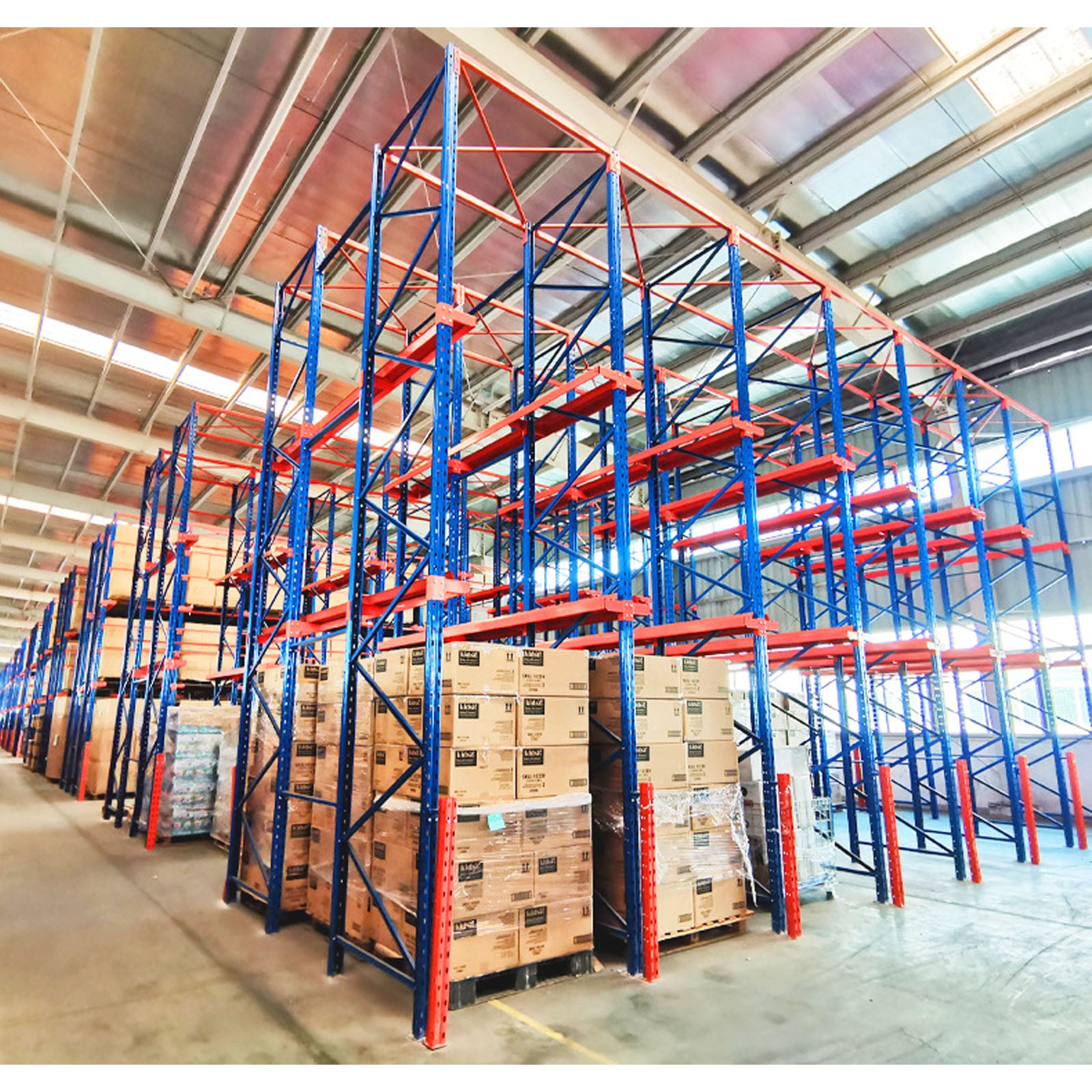
For facilities with rapid inventory rotation, prioritize systems that maximize accessibility and throughput without compromising safety.
When footprint optimization is non-negotiable, specialized systems deliver disproportionate gains:
| System Type | Ideal Application | Space Efficiency Gain |
|---|---|---|
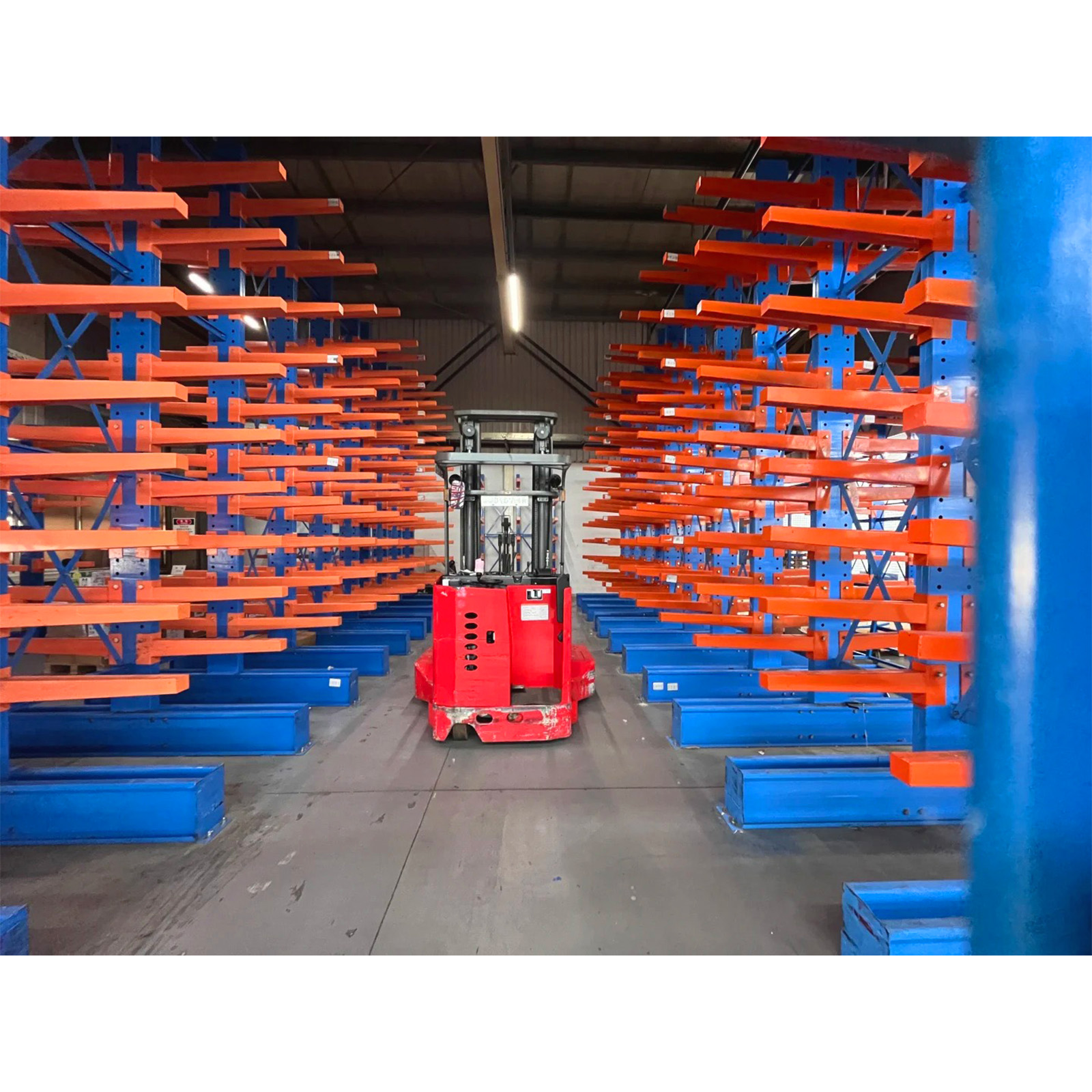
| Cantilever Racking | Long/oversized items (pipes, timber, lumber, extrusions) | Up to 40% floor space reduction vs. standard pallet racks—no front columns obstruct loading |
| Mobile Aisle Systems | Low-ceiling facilities or tight urban footprints | 80%+ storage density increase via motorized, aisle-consolidating bases |
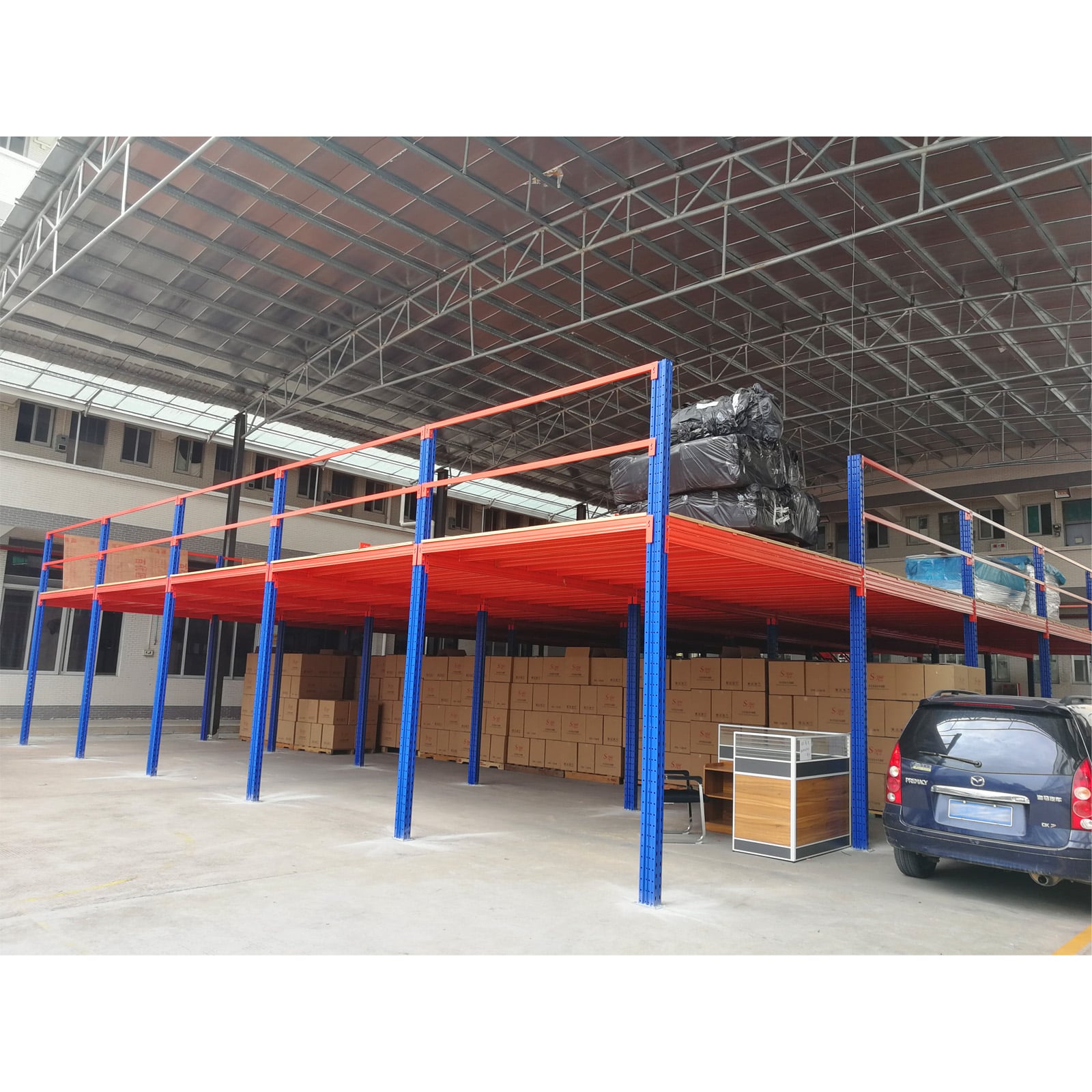
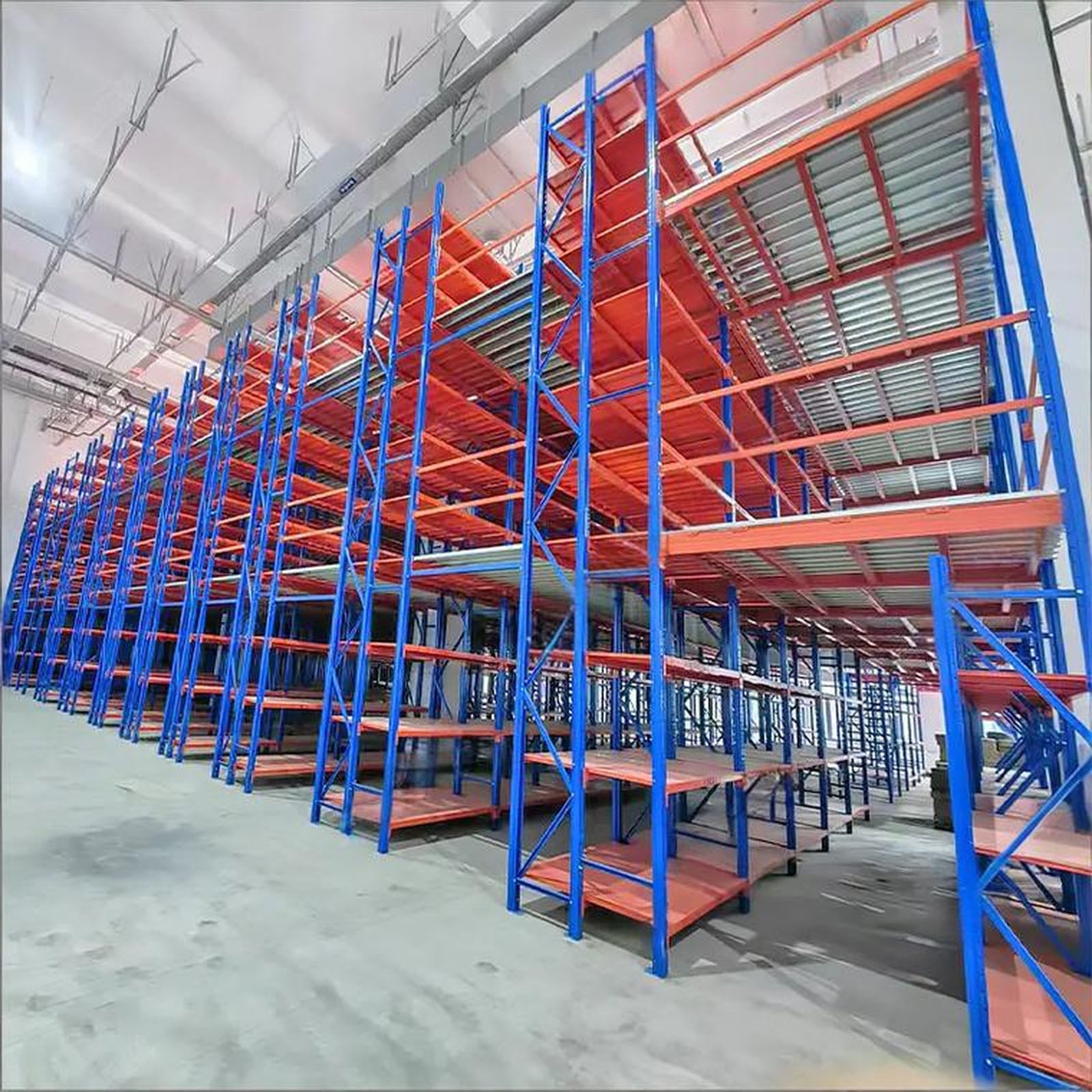
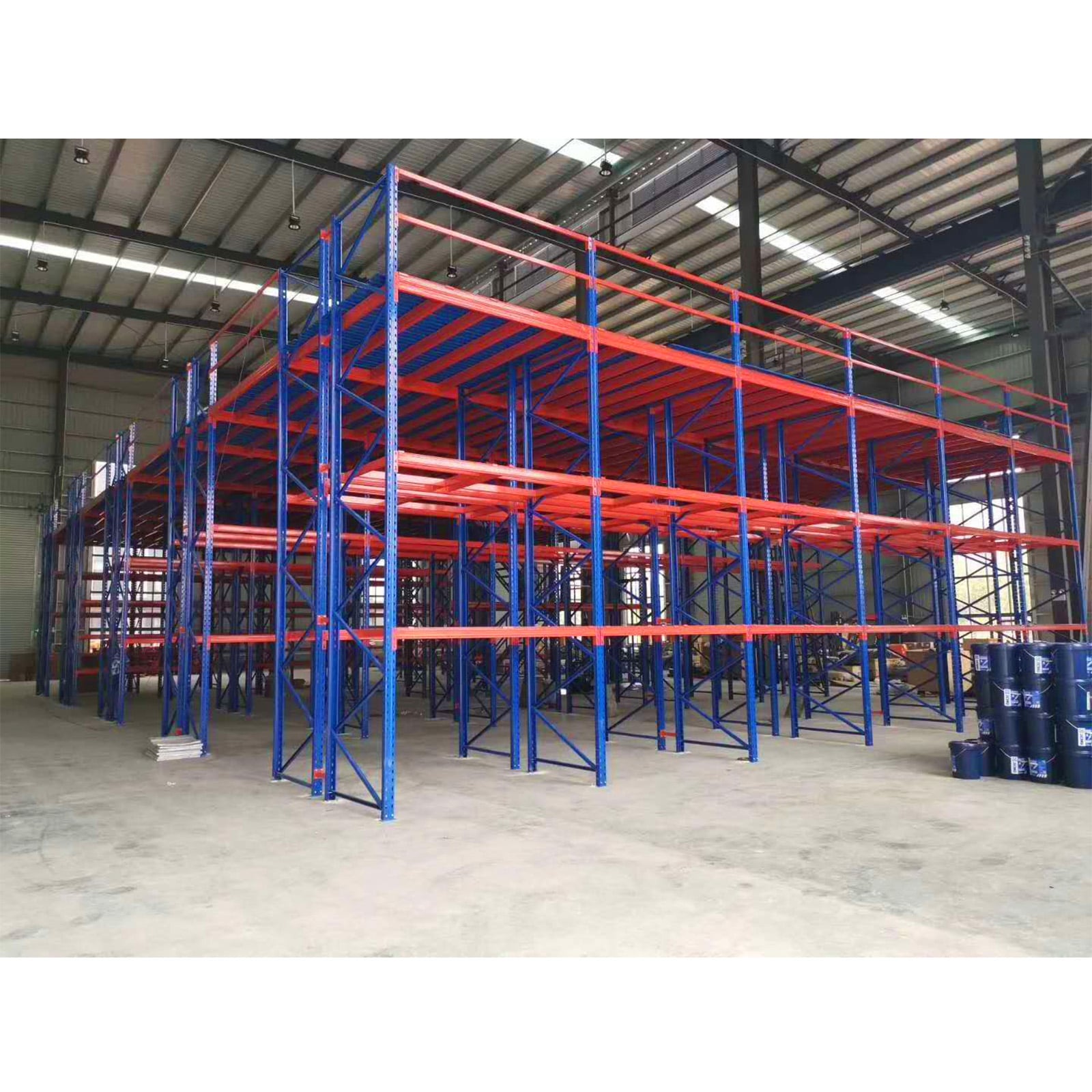
| Multi-Tier Structures | High-ceiling warehouses (>30 ft) with light-to-medium goods | 2–3x vertical utilization—mezzanine decks create fully functional secondary floors without structural expansion |
Cantilever systems accommodate irregular loads with adjustable arms and heavy-duty bracing. Mobile racks integrate seamlessly with RFID or laser-guided navigation for autonomous aisle positioning. Multi-tier platforms include integrated stairways, guardrails, and load-rated decking compliant with OSHA 1910.23 and IBC Chapter 32.
The leading suppliers now embed AI-driven simulation directly into the quoting and engineering workflow. These digital twins replicate not just racking geometry—but real-world variables: forklift turning radii, AGV traffic patterns, lighting interference, and even thermal expansion in high-bay environments. By stress-testing configurations virtually, operators avoid costly field redesigns, reduce implementation timelines by up to 25%, and validate peak-season capacity with statistical confidence. This isn’t speculative modeling—it’s deterministic engineering backed by finite element analysis (FEA) and live WMS data feeds.
Sustainability is no longer a marketing add-on—it’s a procurement mandate. Sixty-eight percent of logistics decision-makers now require documented ESG alignment from racking partners (Logistics Management, 2025). Leaders meet this by:
These practices extend system lifespans by 40%, cut embodied carbon by up to 55%, and support corporate Science-Based Targets (SBTi) without sacrificing load ratings or seismic performance.
Industrial warehouse racking is the foundational backbone of efficient, safe, and profitable global supply chain operations—no warehouse optimization strategy can deliver on its promise without a reliable, engineering-focused racking supplier. By aligning your supplier’s capabilities with your operational requirements, compliance needs, and long-term growth goals, you’ll unlock maximum storage density, minimized downtime, and measurable long-term ROI for your facilities worldwide.
For industrial-grade, OEM-compatible warehouse racking solutions tailored to your unique operational requirements, or to build a fully customized end-to-end storage system from initial digital twin design to final global installation support, partner with a manufacturer rooted in decades of global industrial expertise. KELIDA SHELF’s 20+ years of industry experience spans custom racking engineering, in-house carbon-neutral manufacturing, and full lifecycle project support for 1000+ completed projects across 30+ export markets. Contact us today for a no-obligation, free warehouse layout assessment and custom OEM solution design.
Look for suppliers adhering to OSHA standards, RMI specifications, seismic certifications for earthquake-prone zones, and compliance with local fire and building codes.
Lifecycle support ensures you do not incur costly retrofits during expansions or automation upgrades. Verify warranty terms cover structural defects for at least 10 years and confirm additional protections like corrosion and seismic anchoring.
Emerging trends include AI-powered layout simulation, digital twin integration, sustainability practices, modular reusability, and carbon-neutral fabrication practices.

 EN
EN
 Hot News