 EN
Redefining How Long and Bulky Inventories Are Managed
Handling unusually long, heavy, and awkward inventory—such as structural steel beams, timber bundles, metal pipes, architectural aluminum, and oversized furniture parts—brings unique daily headaches to warehouse managers and logistics planners. Traditional warehouse setups frequently stumble when faced with these kinds of loads, resulting in wasted vertical space, frequent material damage, safety risks, and painfully slow picking times. When facilities need to streamline operations for non-palletized or oversized goods, decision-makers typically weigh cantilever racks against standard pallet systems, drive-in configurations, or simple floor stacking. Drawing on extensive industry experience and practical warehouse layouts, this comparison explores the best storage approaches to maximize daily throughput, keep workers safe, and secure long-term value.
Understanding the Engineering Mechanics of Open-Front Storage
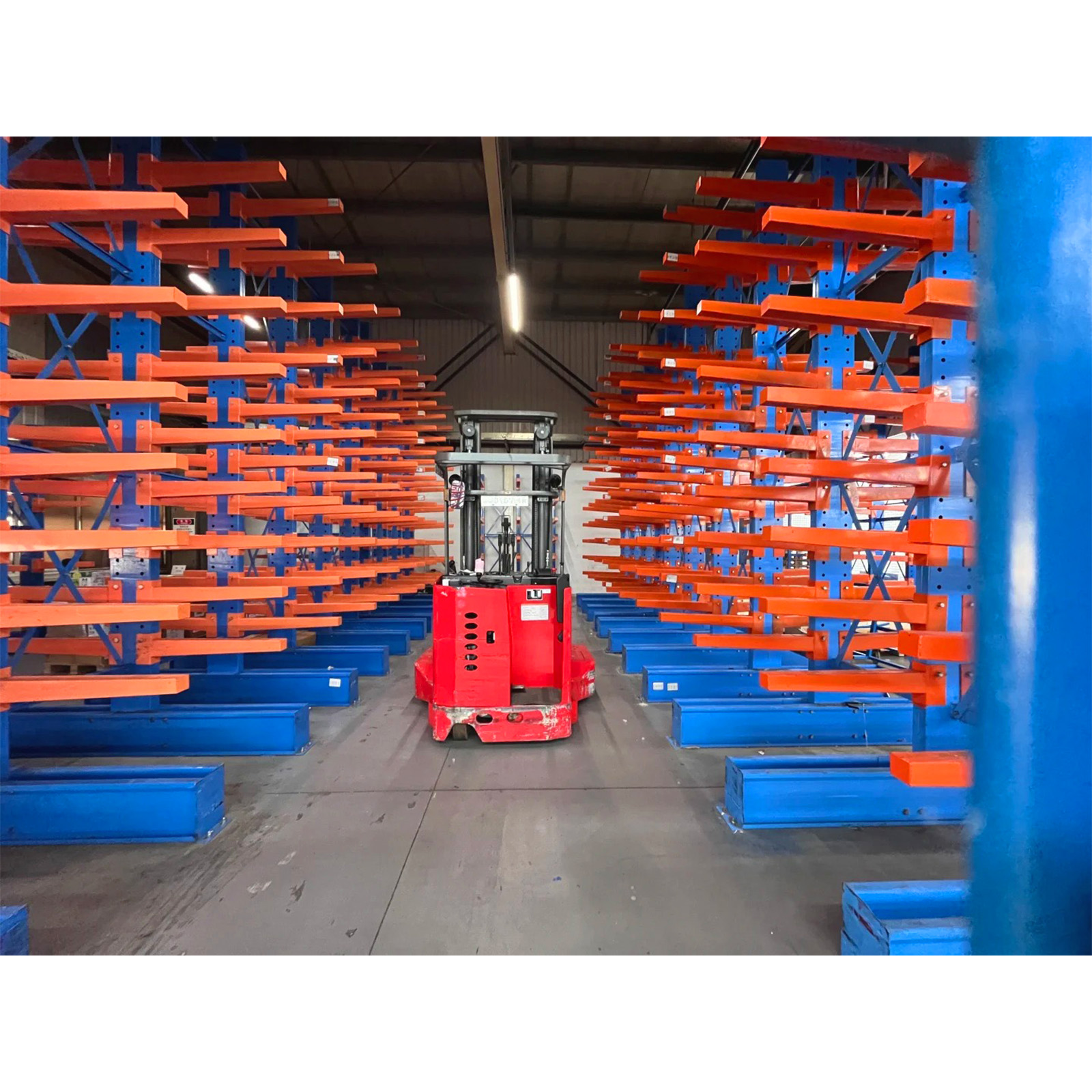
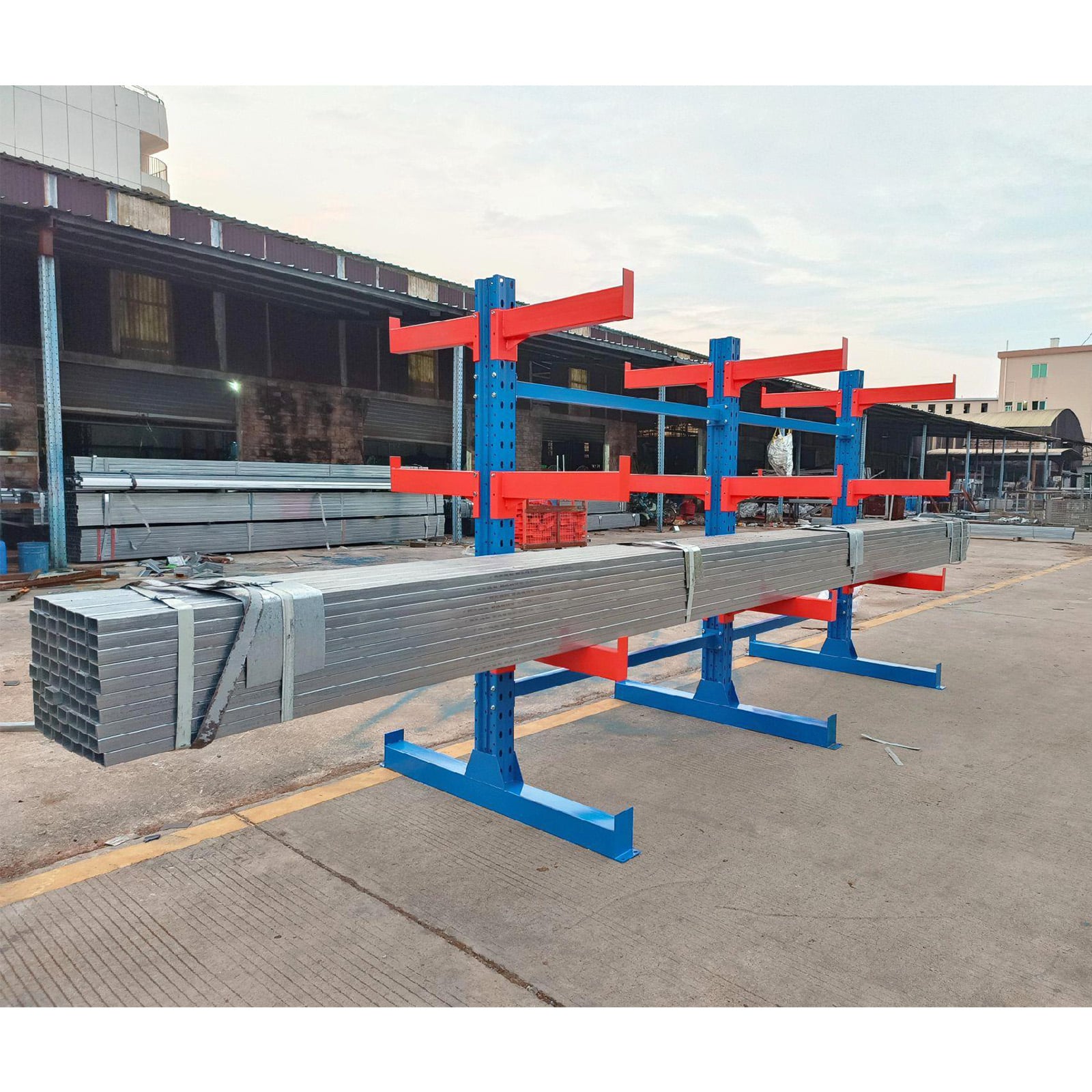
At the heart of a proper cantilever setup is an architecture designed specifically to strip away vertical and horizontal barriers. Unlike traditional selective pallet racks that rely on front upright columns restricting bay widths, cantilever designs utilize sturdy upright columns anchored directly to the floor, paired with horizontal load-bearing arms stretching outward. In real-world manufacturing and distribution environments, trying to slide a six-meter steel pipe or timber stack onto standard pallet bays creates severe bottlenecks and increases the risk of equipment collisions. The open-row layout of cantilever systems lets forklifts approach straight-on, making loading and unloading smooth and safe. This structural design turns chaotic, hazard-prone floor piles into clean, highly organized vertical rows that make full use of building heights.
Workflow Efficiency: Comparing Cantilever, Pallet Racks, and Floor Stacking
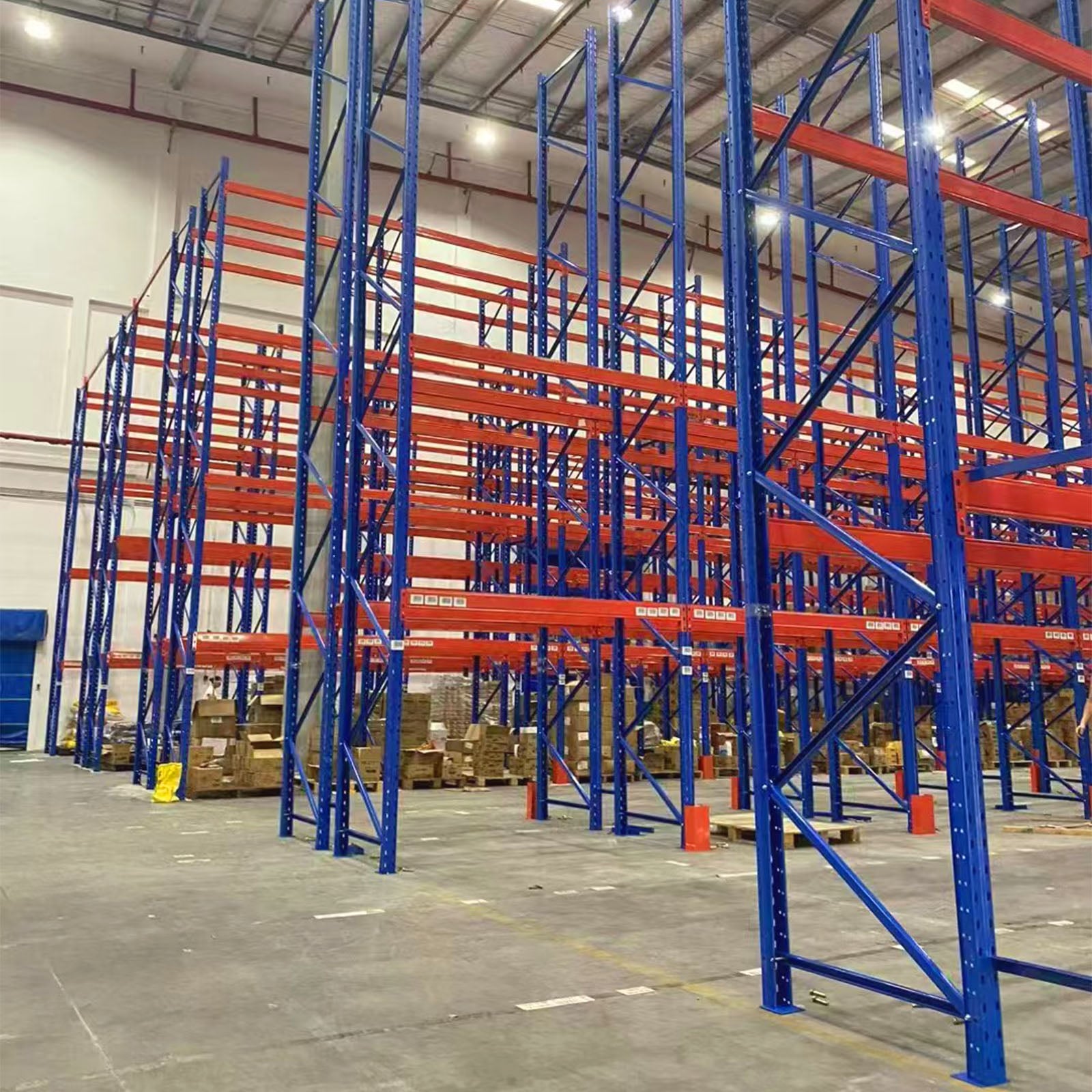
When measured against other storage methods, cantilever setups show clear operational advantages for specific types of inventory. While leaving goods stacked on the floor avoids upfront equipment costs, it quickly triggers severe inventory bottlenecks where older stock gets trapped beneath heavy layers, driving up damage rates and labor costs. On the flip side, standard pallet racks work wonderfully for uniform, palletized loads but fail completely when forced to support protruding, unpalletized materials. Industry guidelines and warehouse standards show that deploying a well-designed cantilever system can boost vertical space utilization significantly while nearly cutting item retrieval times in half. Furthermore, warehouse staff gain direct access to every single stored item without having to move surrounding stock, which drastically speeds up daily order fulfillment.
Integrating Material Handling Equipment and Enhancing Safety
Warehouse productivity depends heavily on how smoothly a storage layout syncs with specialized material handling gear, such as sideloaders, multi-directional forklifts, and overhead cranes. Cantilever systems are built to accommodate these vehicles without friction. The load-bearing arms can be adjusted easily in height and fitted with custom angles or safety lips to prevent cylindrical items from rolling off during daily activity. Additionally, structural planning must account for dynamic weight loads, environmental shifts, and facility layout requirements. Using heavy-grade structural steel ensures that even under eccentric and heavy loads, the framework remains rigid and safe, protecting warehouse teams and valuable inventory alike.
Evaluating Long-Term Costs and Financial Returns
Although investing in a professionally engineered cantilever system requires a higher initial outlay than basic floor storage or makeshift timber racks, looking at the total cost of ownership reveals strong financial benefits over time. Oversized items stored directly on the floor typically suffer from warping, scratching, surface rust, and general handling damage. These losses practically vanish once inventory is safely elevated and supported on cantilever arms. Moreover, by reclaiming valuable floor space through vertical expansion, businesses can delay expensive warehouse expansions or off-site storage rentals. Over a multi-year operational lifecycle, combining reduced product damage, faster picking speeds, and maximized storage capacity delivers a strong return on investment.
Leveraging Advanced Manufacturing and Supply Chain Expertise with Kelida
Unlocking the full potential of a cantilever racking system ultimately comes down to working with a manufacturing partner equipped with deep technical know-how and reliable global supply chain capabilities. Kelida stands out in the industrial storage sector by combining advanced steel fabrication techniques with tailored engineering support. Whether a facility requires heavy single-sided rows against a wall or high-capacity double-sided setups with wide arm spans for open outdoor yards, Kelida delivers custom-engineered solutions backed by rich international export experience. By integrating strict load testing, durable surface finishes, and dependable logistics support, Kelida helps global industrial operations turn complex storage hurdles into smooth operational advantages, ensuring lasting safety and efficiency for years to come.
 Hot News