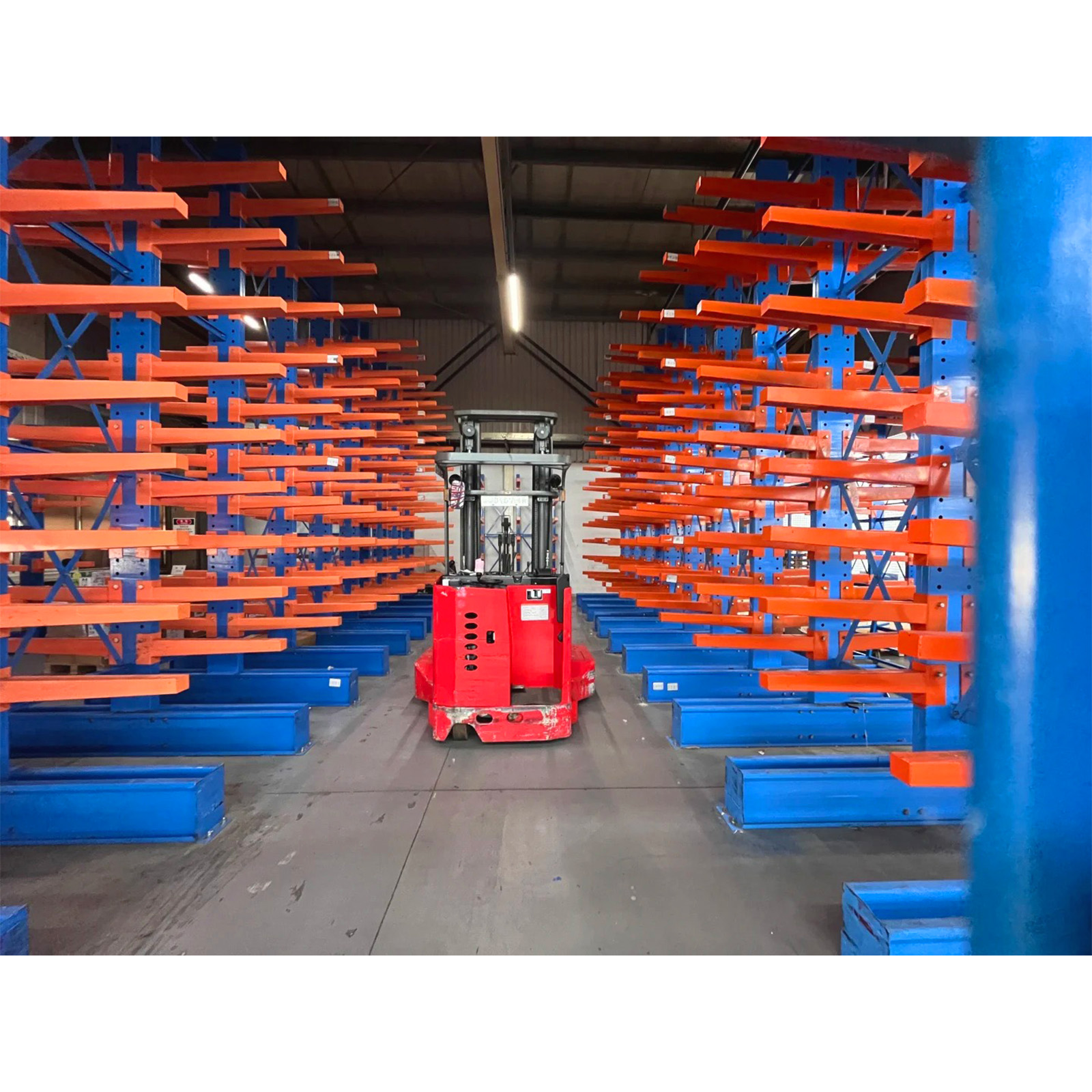
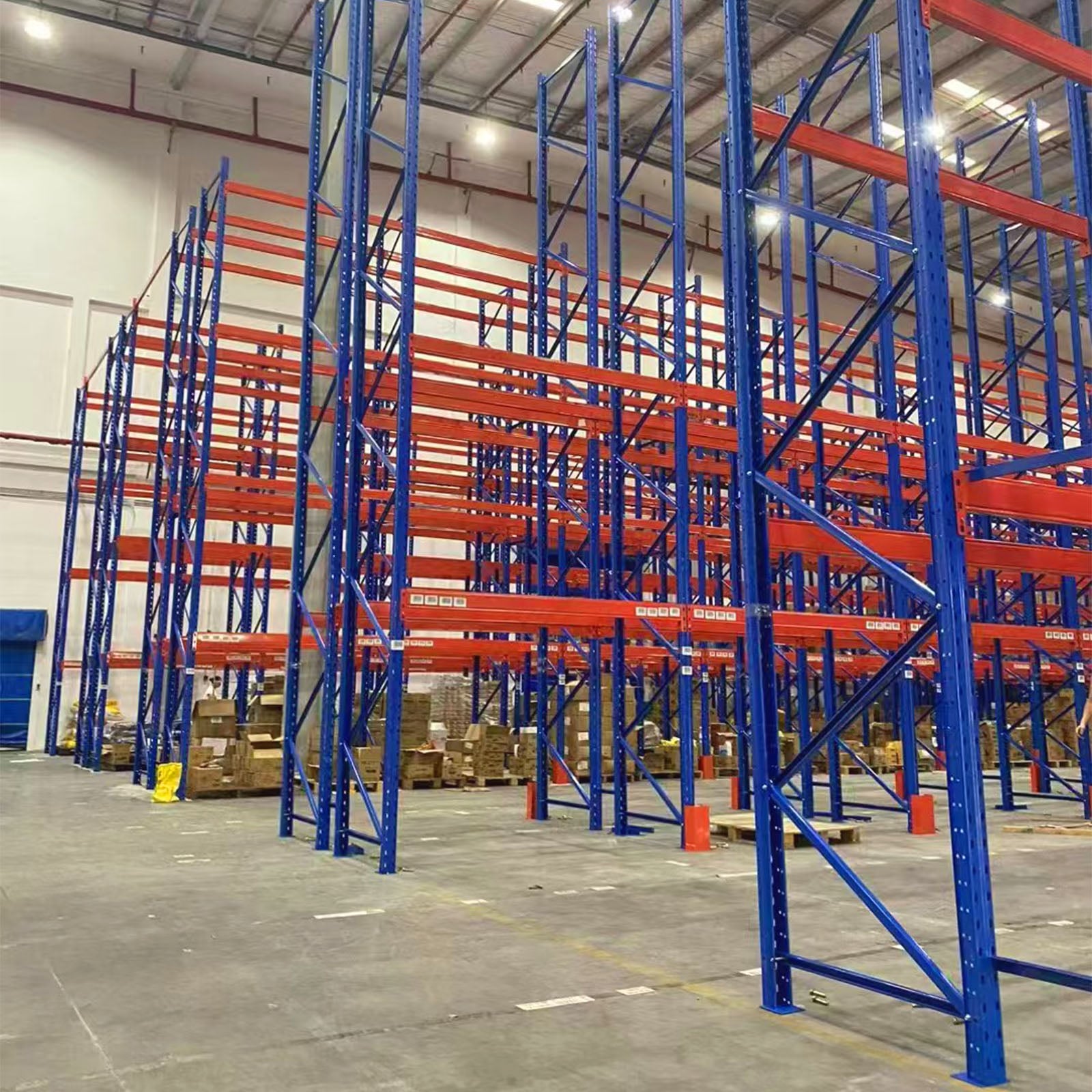
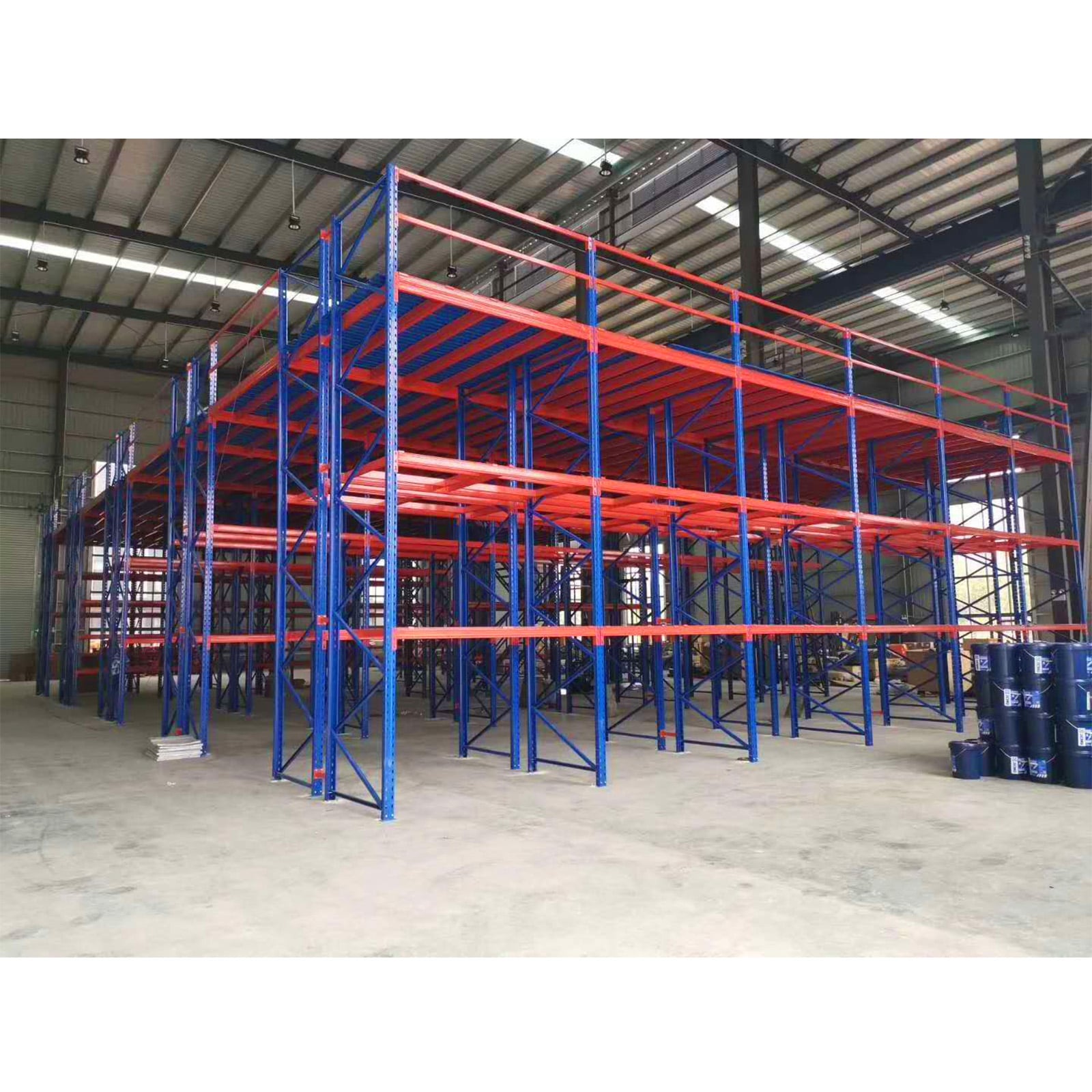
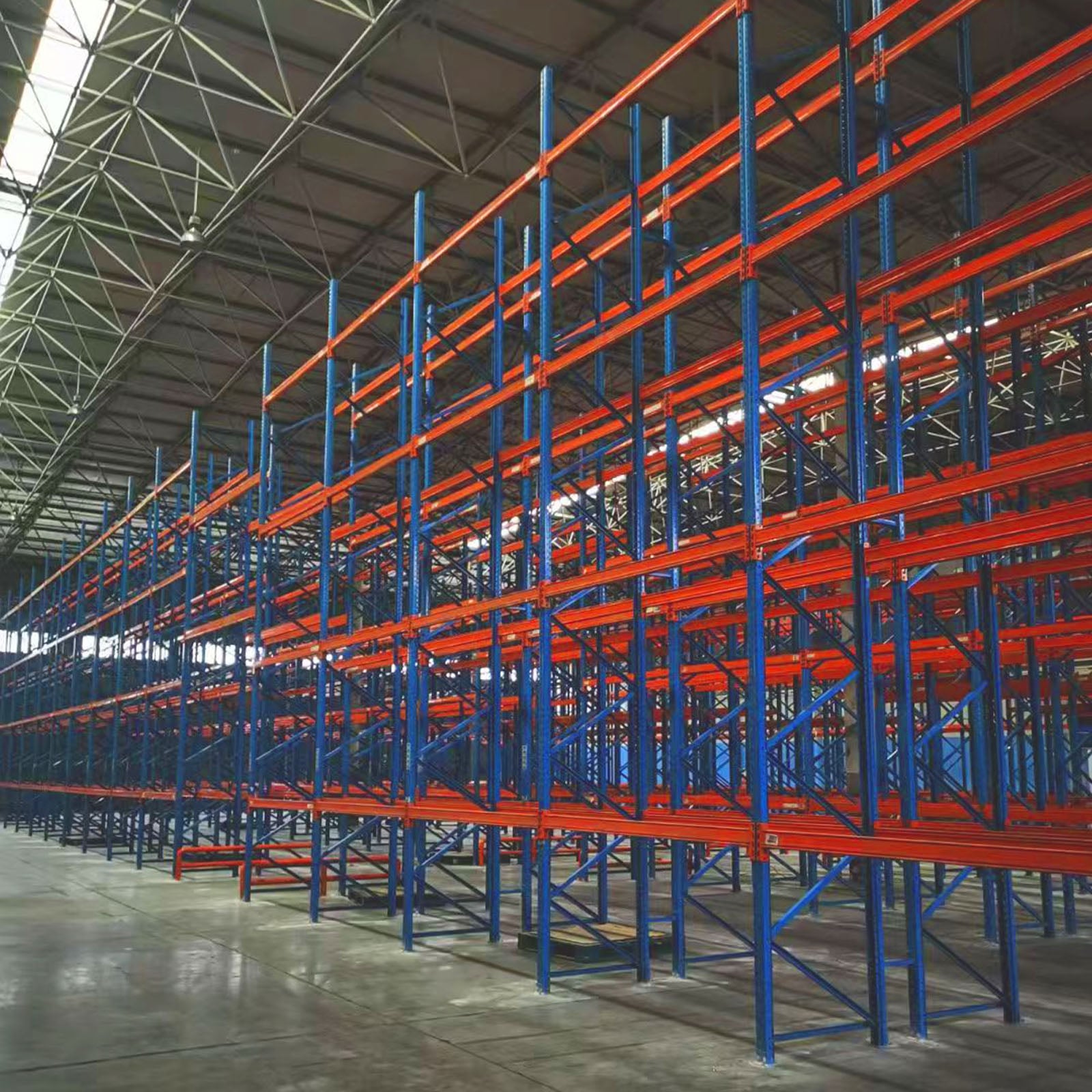
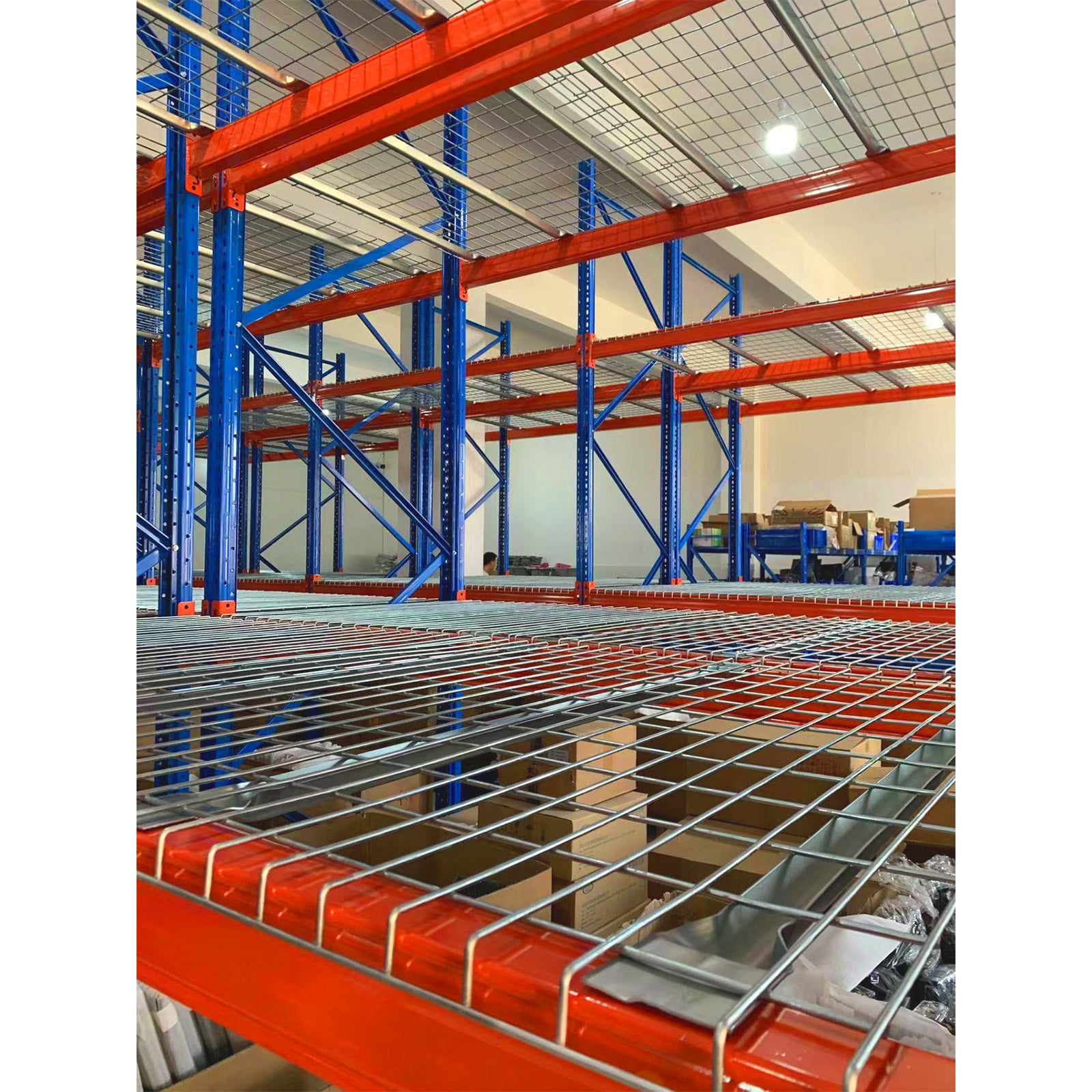
The standard selective pallet rack setup with its single deep configuration means each pallet gets its own front facing space there's no stacking in the back and no hidden areas. Warehouse workers can spot what they need right away and get their forklifts to any item without extra steps. Compared to double deep or drive in systems, these racks don't require moving pallets around or fancy equipment. According to a study from Warehouse Efficiency Journal last year, this visibility cuts down on picking errors by about 27%. Plus, these racks handle odd shaped items better than many automated systems struggle with. And let's not forget those clear aisles make all the difference when it comes to productivity. Research shows warehouses lose around 18% efficiency when access is blocked in tight storage setups, something these racks help avoid completely.
For big e-commerce warehouses handling tons of orders daily, having straightforward access makes a real difference in how much gets done. Warehouse workers move along set routes straight to where they need to be, which cuts down their walking around time by roughly 40% compared to those complicated layouts packed with shelves everywhere. According to Logistics Tech Review from last year, this approach boosts picking speeds by about 22%, meaning stores can handle 15% more orders each day without hiring extra people. When things get busy during holiday seasons or sudden sales events, these simple warehouse designs let new temporary staff jump right in and start working effectively. That's huge since nearly seven out of ten warehouses still struggle finding enough workers. The whole system runs smoother too, so packages get shipped faster and there are fewer mistakes caused by tired workers trying to navigate through confusing storage arrangements.
Compared to options like drive-in, push-back, or pallet flow systems, standard selective pallet racks typically cost around 30 to 40 percent less upfront. The design is pretty straightforward really no fancy carriages needed, no complicated guide rails running through them, just basic frames that don't require special reinforcement during manufacturing or setup. Plus regular forklifts work fine with these racks so there's no pressure to buy extra equipment which saves money right there. Because they're so affordable, companies can take those savings and put them back into their inventory stockpiles, train staff better, or invest in new warehouse tech all while still being able to access every single pallet when needed.
The bolt together approach lets businesses grow as needed rather than all at once. Start small with basic storage capacity, then simply add more uprights and beams whenever there's a busy season coming up or new products need space. This is totally different from those fixed systems where changing things around means waiting days for everything to be done. When products change size or shape, there's no need for expensive system overhauls either. According to Logistics Tech Review from last year, workers spend about half the time on reconversion tasks compared to traditional setups. Plus, stores can modify their layouts while still running operations normally. The fact that parts are standardized and easily replaced keeps repair bills down throughout the years, which means better returns on investment over time instead of just short term savings.
The adjustable beam heights combined with modular designs give standard selective racking an edge when businesses face changing demands. Whether dealing with seasonal surges, launching new products, or managing items nearing their end of life, these racks adapt well. Adjusting beam positions takes just minutes and accommodates everything from taller pallets to nested boxes and mixed loads. During busy periods, warehouse managers can narrow down aisles temporarily, increasing storage space by around 15 to 20 percent before returning them to normal after peak times pass. The slot assignments get regularly adjusted too, helping workers move through warehouses efficiently as products come and go. Facilities using this flexible approach respond about 30 percent quicker to market changes compared to traditional fixed systems. Plus, they save money since each layout adjustment costs roughly $18,000 according to last year's Warehouse Efficiency Review. Investing in adaptable storage solutions helps warehouses keep operations running smoothly even when customer needs fluctuate unpredictably over time.
Regular selective pallet rack systems work great with standard equipment like forklifts, pallet jacks, reach trucks and those counterbalance units we all know and love. No need to mess around with the existing fleet or spend time retraining operators on new stuff. Most warehouses already have these machines running around anyway. When it comes to aisle space, things line up pretty well with what everyone else is doing. Counterbalance forklifts typically need about 9 to 10 feet of clearance, whereas reach trucks want a bit more room at 11 to 12 feet according to Material Handling Institute data from last year. Getting this right means warehouse managers don't have to tear out walls or rebuild entire sections just to fit new storage solutions in place. Money stays where it belongs instead of disappearing into unnecessary renovations. Plus, the front opening design plays nicely with automated guided vehicles (AGVs) and conveyor belts too. Companies can start adding automation gradually without completely overhauling their current operations. This kind of compatibility gives businesses a quick boost in productivity right away, yet still leaves plenty of room to adapt when inventory needs change during busy periods or when newer tech becomes available down the road.
Single-deep selective pallet racks provide direct and unobstructed access to every pallet, which enhances efficiency in stock picking and minimizes errors.
Selective pallet racks contribute to greater productivity by allowing faster and simpler access to stock, reducing walking time and enhancing order-picking speed.
Yes, selective pallet racks require a lower upfront investment compared to other high-density storage solutions and provide strong ROI through scalable expansions and modular designs.

 EN
EN
 Hot News