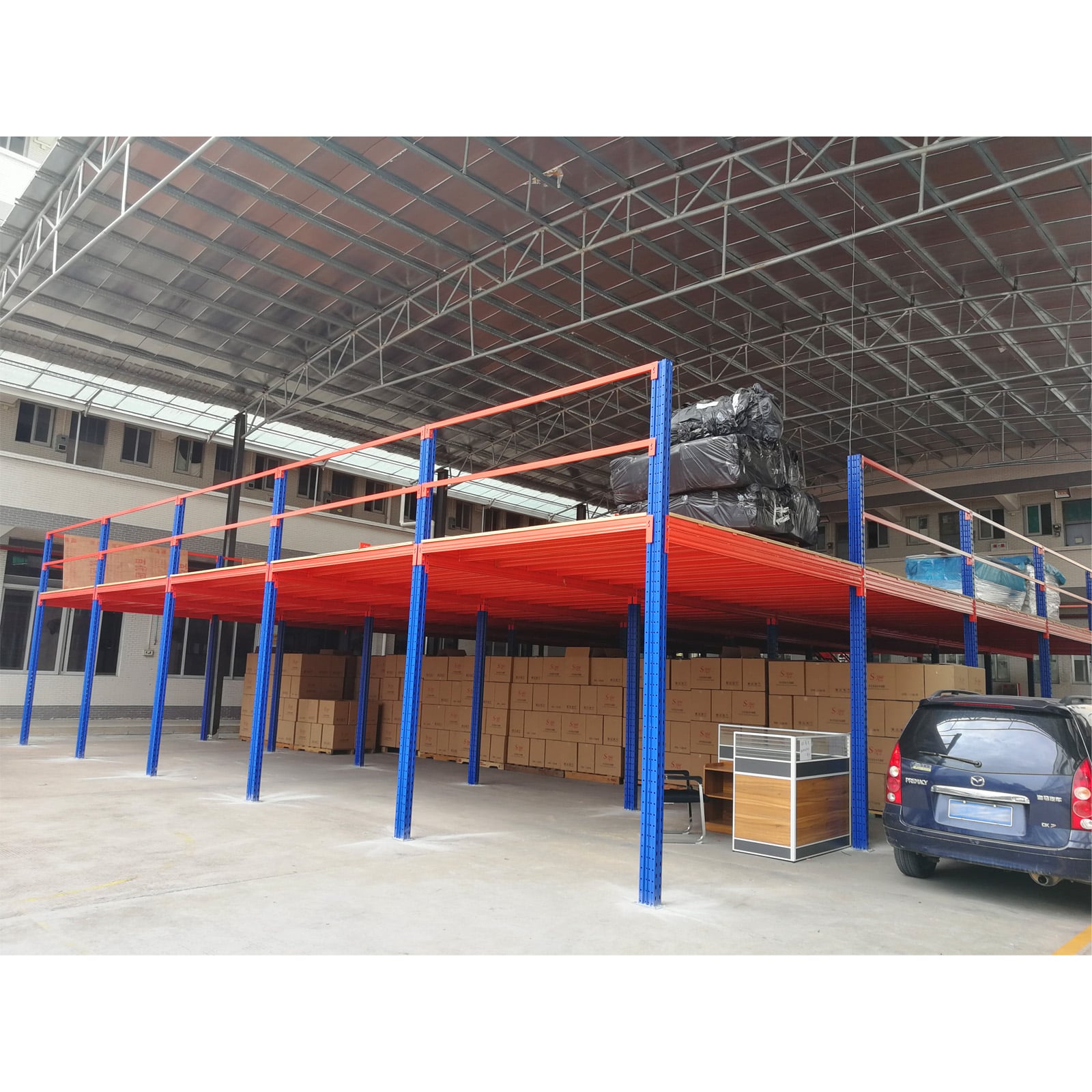
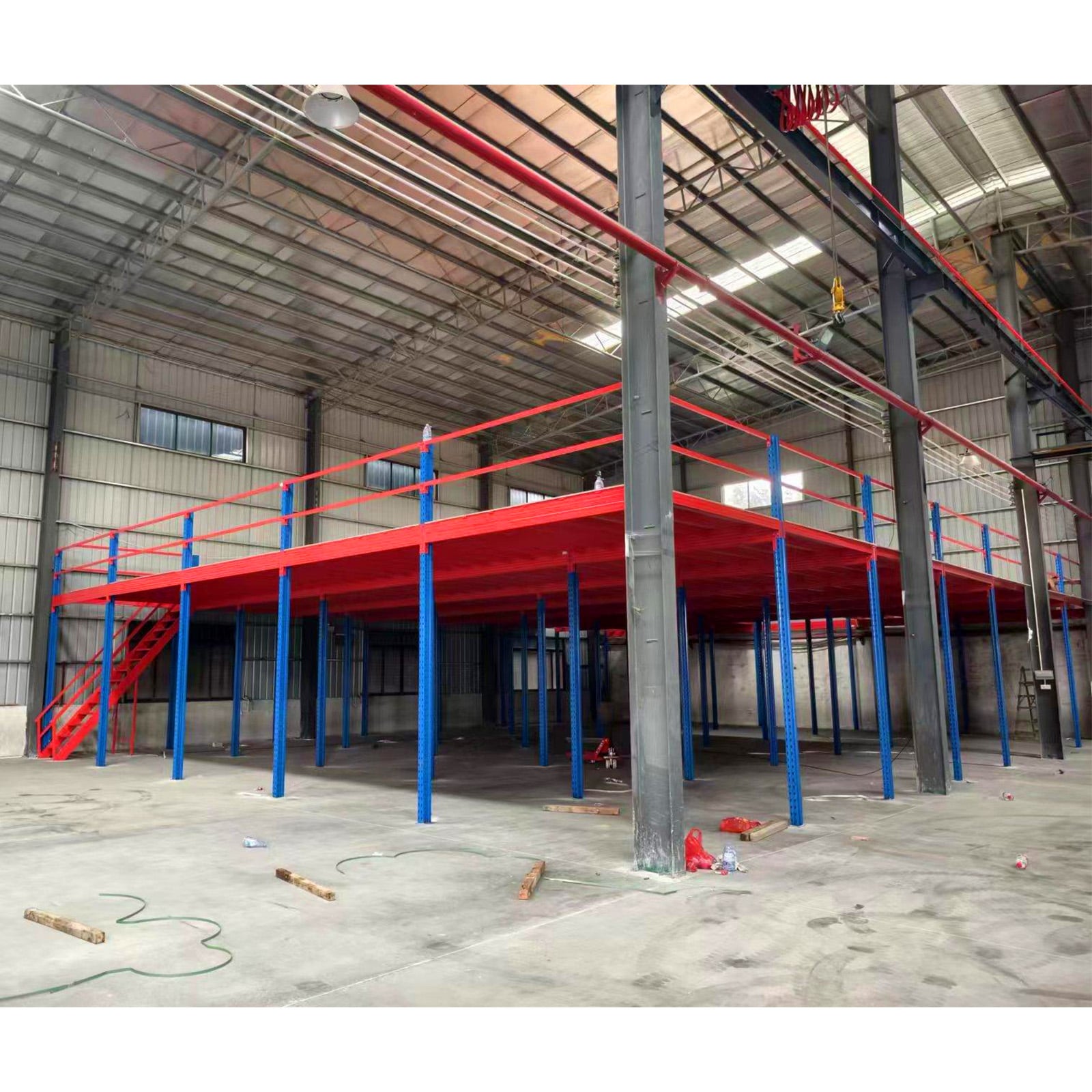
A mezzanine platform is an intermediate floor structure installed between a building’s primary levels, transforming underutilized vertical space into functional areas for storage, production, or operations. Unlike traditional construction, these freestanding steel or modular platforms require no foundation work—enabling rapid deployment without facility relocation. By leveraging overhead clearance—often doubling usable square footage—they address spatial constraints in warehouses and factories where horizontal expansion is impossible or cost-prohibitive.
This approach proves critical for modern industrial facilities facing rising real estate costs. Facilities adding mezzanine platforms report 50–100% gains in space utilization (Industrial Space Optimization Report 2023), avoiding the $740k average expense of relocation (Ponemon Institute). Strategic elevation also streamlines workflows: assembly stations above ground-level transport routes reduce congestion, while integrated conveyors accelerate material flow. Crucially, mezzanines future-proof operations—their modular design accommodates reconfiguration as needs evolve, supporting lean manufacturing principles. For industries prioritizing agility, this scalable solution turns vertical dead space into competitive advantage.
Industrial operations face constant pressure to optimize space without disrupting productivity. A mezzanine platform addresses this by leveraging unused vertical clearance, transforming overhead voids into functional square footage—eliminating the need for costly relocation or structural modifications.
By installing elevated platforms below existing ceilings, facilities gain additional floors for storage, assembly lines, or offices—utilizing previously wasted airspace. This preserves floor-level operations during installation and avoids permits required for new construction.
Mezzanines offer 30–60% lower upfront costs than traditional facility expansions. Businesses avoid expenses like land acquisition, foundation work, and extended downtime—accelerating ROI within 12–18 months for most installations.
Modular designs enable reconfiguration as needs evolve. Platforms can expand laterally, integrate conveyors, or be disassembled for relocation—providing scalable capacity that adapts to market demands without new capital projects.
Selecting the right mezzanine platform depends on operational needs, structural requirements, and spatial constraints. Three primary designs dominate industrial applications.
Structural steel platforms support extreme loads exceeding 1,000 lbs per square foot (OSHA 2023). They integrate reinforced columns and welded frames, ideal for manufacturing plants with heavy machinery or assembly lines. Their durability suits environments like automotive workshops or metal fabrication facilities requiring vibration resistance.
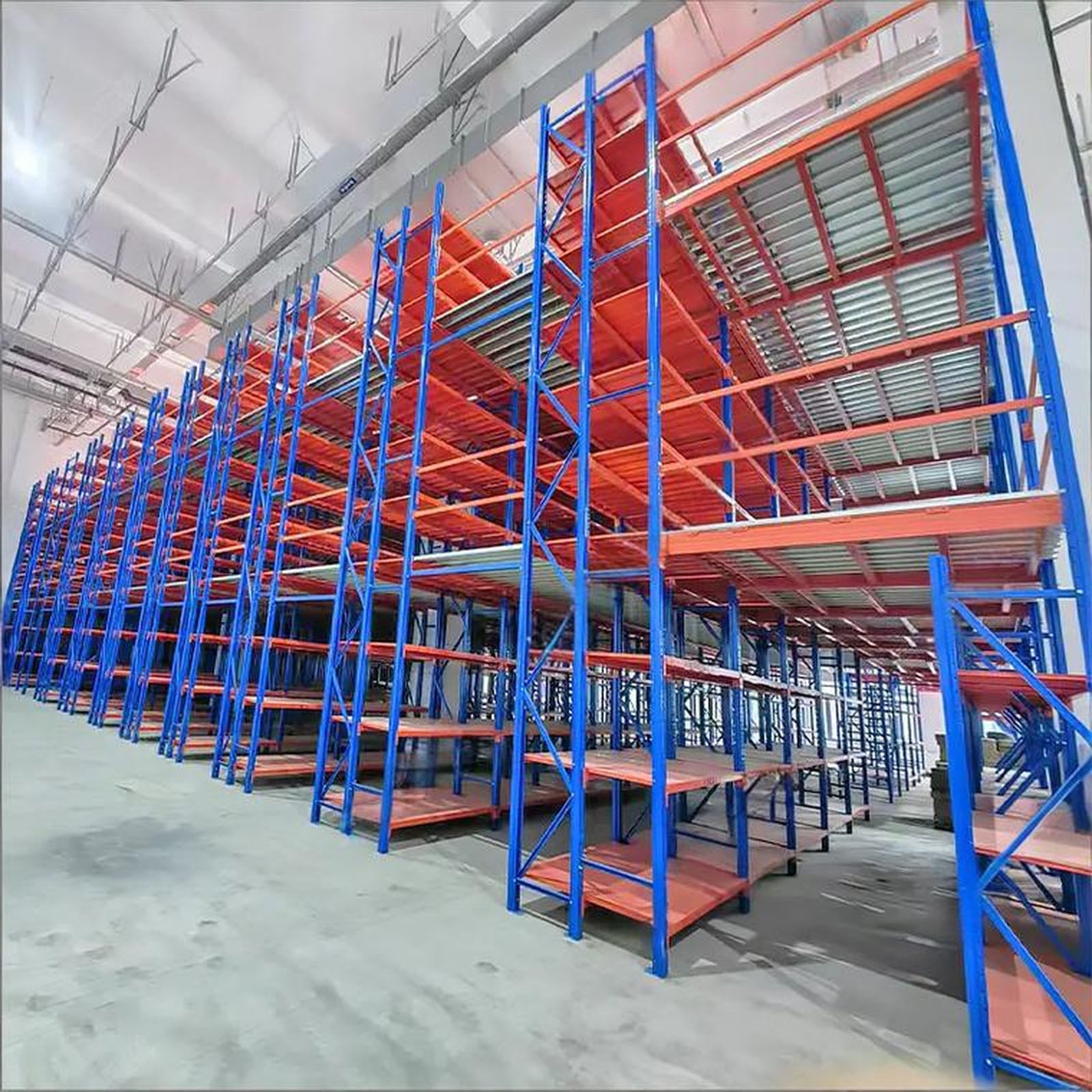
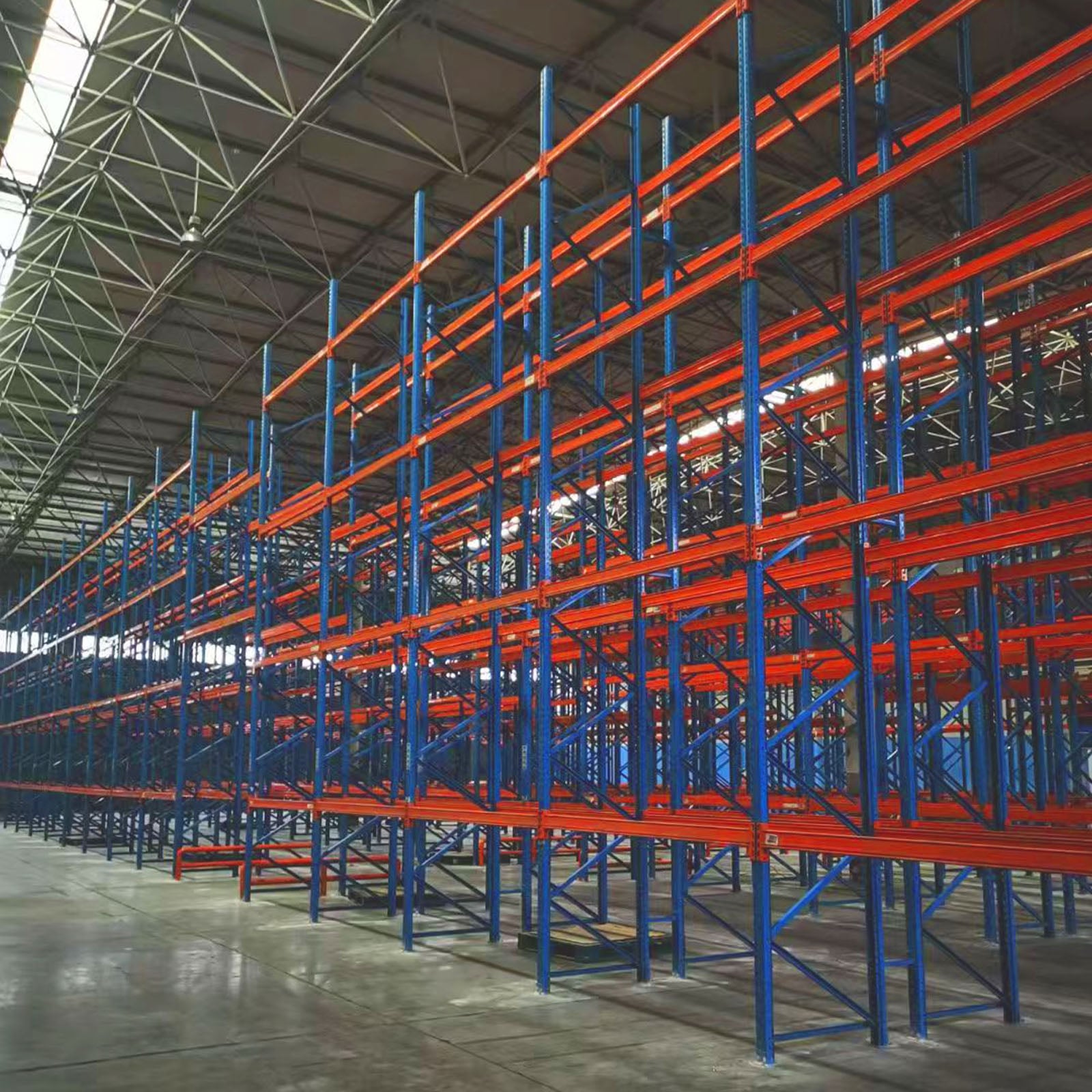
These systems utilize existing storage racks as foundational supports, eliminating floor columns. They maximize vertical clearance for palletized goods, boosting storage density by 30–50% in distribution centers. Ideal for warehouses with uniform inventory flow, they seamlessly connect to conveyor networks while minimizing aisle space.
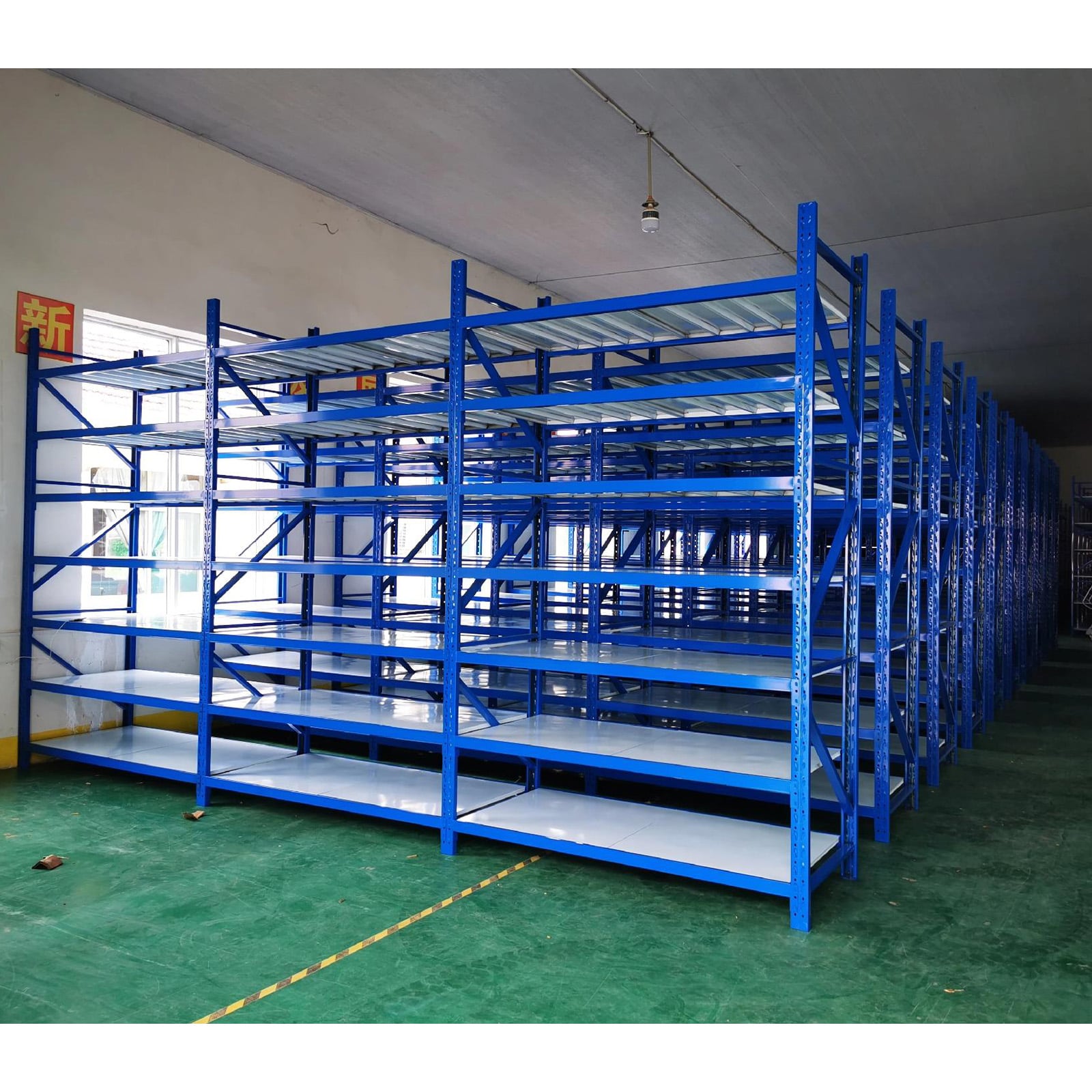
Modular designs feature bolt-together components for rapid installation—often within days—without permanent foundations. Their reconfigurable layouts suit dynamic operations like seasonal packaging lines or pop-up fulfillment hubs. Lightweight yet compliant with local codes, they enable cost-effective scalability in leased facilities or temporary sites.
Accurately calculating load capacity is non-negotiable for mezzanine platform safety. The structure must support combined weights of stored goods, equipment, and personnel—typically requiring 150–1,000 lbs/sq ft ratings. Existing floor loading must also be evaluated to prevent foundation stress. Compliance with local building codes governs critical elements like fire exits, guardrail heights, and seismic requirements. Ignoring regulations risks $50k+ fines (OSHA 2023) and operational shutdowns. Always conduct structural assessments with certified engineers before installation.
Seamless integration with material handling infrastructure maximizes mezzanine platform ROI. Design must accommodate conveyor inclines, lift clearances, and automated system pathways. Key considerations include:
Industries like warehousing, manufacturing, e-commerce, and distribution centers experience significant benefits from mezzanine platforms due to improved space utilization and operational flexibility.
Installation typically ranges from a few days to a few weeks, depending on the complexity and design. Modular platforms are often the quickest to deploy.
Load capacity depends on the intended use. Standard platforms handle loads between 150–1,000 lbs/sq ft, but heavy-duty applications may require reinforced designs exceeding these limits.
Yes, provided they are designed and installed according to local building codes. Key compliance factors include load capacity, fire exits, guardrail heights, and seismic requirements.
Yes, modular mezzanine platforms are easily disassembled and relocated, making them a cost-effective choice for dynamic or leased facilities.

 EN
EN
 Hot News