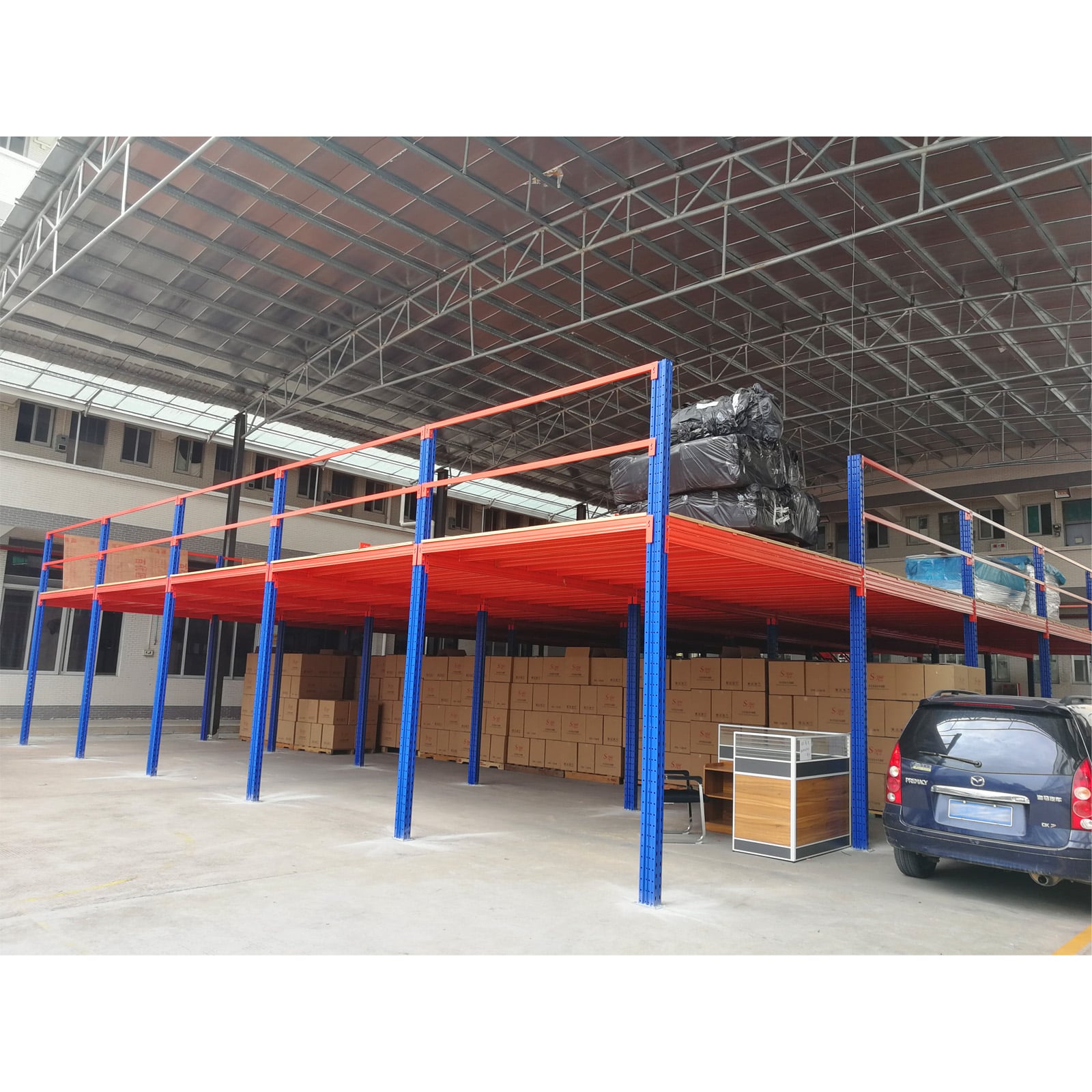
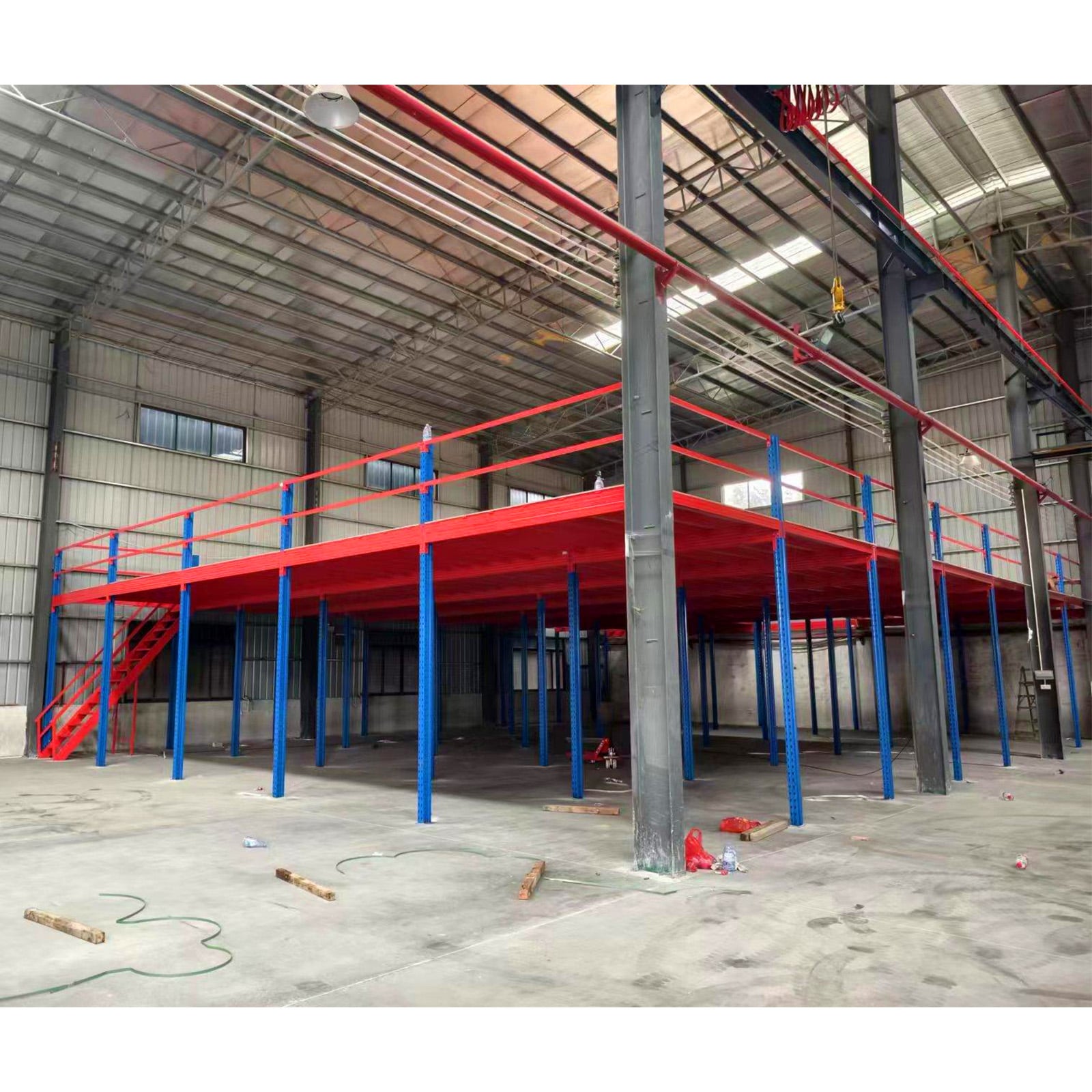
ا منصة ميزانين هي بنية طابق وسيط تُركَّب بين المستويات الأساسية لمبنى ما، وتُحوِّل المساحات الرأسية غير المستغلة إلى مناطق وظيفية تُستخدَم للتخزين أو الإنتاج أو العمليات. وعلى عكس البناء التقليدي، لا تتطلب هذه المنصات الحرة المصنوعة من الفولاذ أو الأنظمة المعيارية أي أعمال أساسات، مما يسمح بنشرها بسرعة دون الحاجة إلى نقل المرفق. وباستغلال ارتفاع السقف المتاح—الذي يضاعف غالبًا المساحة القابلة للاستخدام بالمتر المربع—تُحلّ هذه المنصات مشكلة القيود المكانية في المستودعات والمصانع، حيث يكون التوسع الأفقي مستحيلاً أو مكلفًا جدًّا.
يُثبت هذا النهج أهميته البالغة للمنشآت الصناعية الحديثة التي تواجه ارتفاع تكاليف العقارات. وتُفيد المنشآت التي تُضيف منصات طابق وسطي عن تحقيق مكاسب تتراوح بين ٥٠٪ و١٠٠٪ في كفاءة استغلال المساحة (تقرير تحسين استغلال المساحات الصناعية، ٢٠٢٣)، ما يجنبها متوسط نفقات الانتقال البالغ ٧٤٠ ألف دولار أمريكي (معهد بونيمون). كما يُسهم الرفع الاستراتيجي للمنشآت في تبسيط سير العمل: فالمحطات التجميعية المُنشأة فوق مسارات النقل على مستوى الأرض تقلل الازدحام، بينما تُسرّع أنظمة النقل المدمجة تدفق المواد. والأهم من ذلك أن الطوابق الوسطية تضمن استدامة العمليات على المدى الطويل؛ إذ إن تصميمها الوحدوي يسمح بإعادة تهيئتها لتلبية المتطلبات المتغيرة، داعمةً بذلك مبادئ التصنيع الرشيق. وللصناعات التي تولي المرونة أولوية قصوى، فإن هذه الحلول القابلة للتوسع تحوّل الفراغات الرأسية غير المستغلة إلى ميزة تنافسية.
تواجه العمليات الصناعية ضغطًا مستمرًّا لتحسين استغلال المساحة دون الإخلال بالإنتاجية. وتُعَد منصة الطابق الوسيط حلاًّ لهذه المشكلة، حيث تستفيد من الارتفاع الرأسي غير المستغل، وتحول الفراغات العلوية إلى مساحات وظيفية فعّالة— مما يلغي الحاجة إلى الانتقال المكلف أو التعديلات البنائية.
وبتركيب منصات مرتفعة أسفل الأسقف الحالية، تكتسب المنشآت طوابق إضافية يمكن استخدامها للتخزين أو خطوط التجميع أو المكاتب— مستفيدةً بذلك من المساحات الجوية التي كانت تُهدر سابقًا. ويتيح هذا الحل الاستمرار في العمليات على مستوى الأرض أثناء التركيب، ويتجنب الحاجة إلى تصاريح البناء المطلوبة لأعمال البناء الجديدة.
توفر منصات الطابق الوسيط تكاليف أولية أقل بنسبة ٣٠–٦٠٪ مقارنةً بالتوسُّعات التقليدية للمنشآت. وبذلك تتجنب الشركات نفقات مثل شراء الأراضي وأعمال الأساسات والانقطاع الطويل عن العمل— ما يسرِّع العائد على الاستثمار خلال فترة ١٢–١٨ شهرًا في معظم حالات التركيب.
تتيح التصاميم الوحدية إعادة التكوين مع تطور الاحتياجات. ويمكن توسيع المنصات أفقيًّا، أو دمج أنظمة النقل، أو فكّها لإعادة تركيبها في موقعٍ آخر—موفِّرةً سعةً قابلةً للتوسُّع تتكيف مع متطلبات السوق دون الحاجة إلى مشاريع استثمارية جديدة.
يعتمد اختيار منصة الطابق المتوسط المناسبة على احتياجات التشغيل، والمتطلبات الإنشائية، والقيود المفروضة على المساحة. وهناك ثلاثة تصاميم رئيسية تسود التطبيقات الصناعية.
تدعم منصات الفولاذ الإنشائي أحمالًا شديدة تتجاوز ١٠٠٠ رطلاً لكل قدم مربَّع (حسب معايير إدارة السلامة والصحة المهنية OSHA لعام ٢٠٢٣). وهي تضم أعمدة معزَّزة وإطارات ملحومة، وهي مثالية لمصانع التصنيع التي تحتوي على ماكينات ثقيلة أو خطوط تجميع. وتتناسب متانتها مع البيئات مثل ورش صناعة السيارات أو مرافق تصنيع المعادن التي تتطلب مقاومة الاهتزاز.
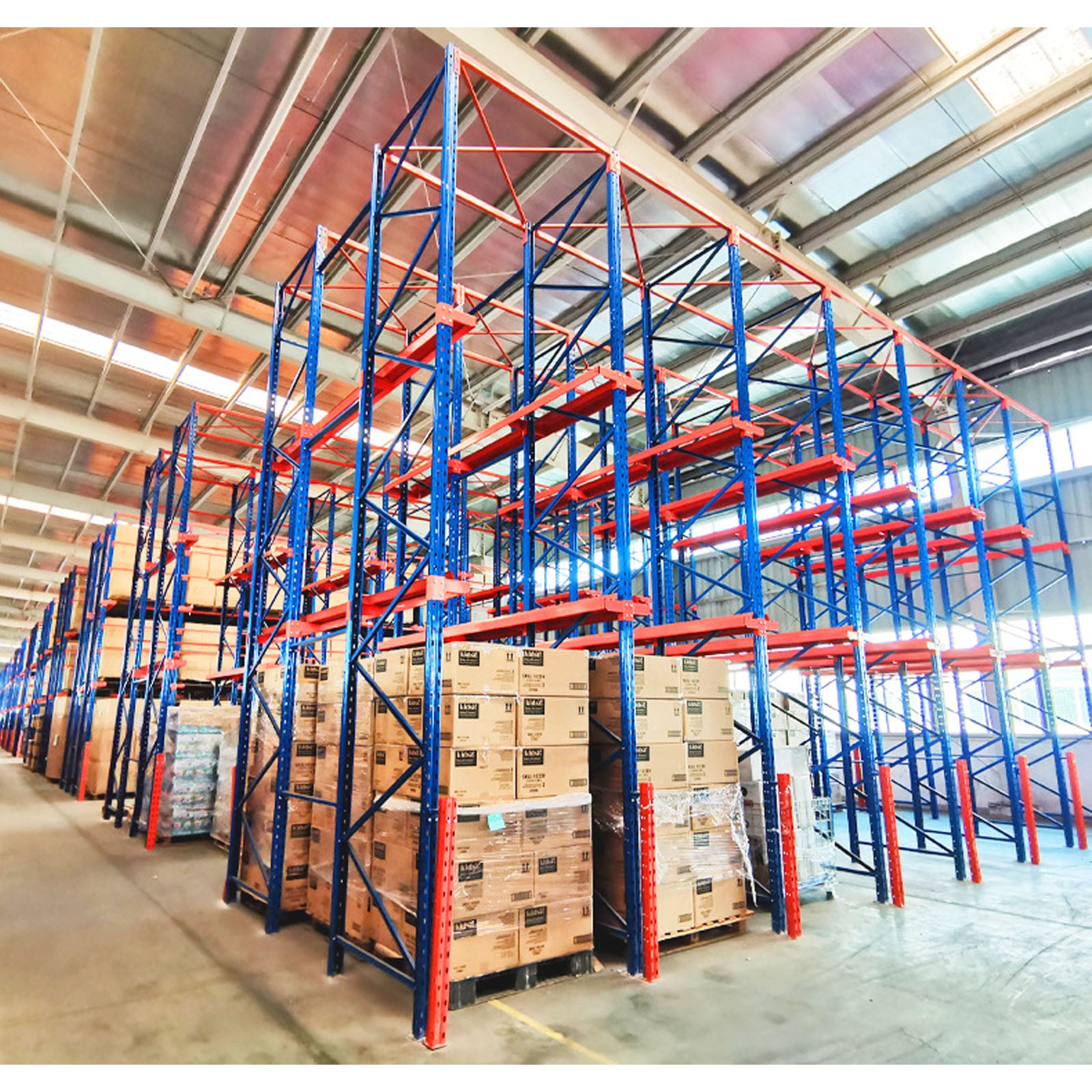
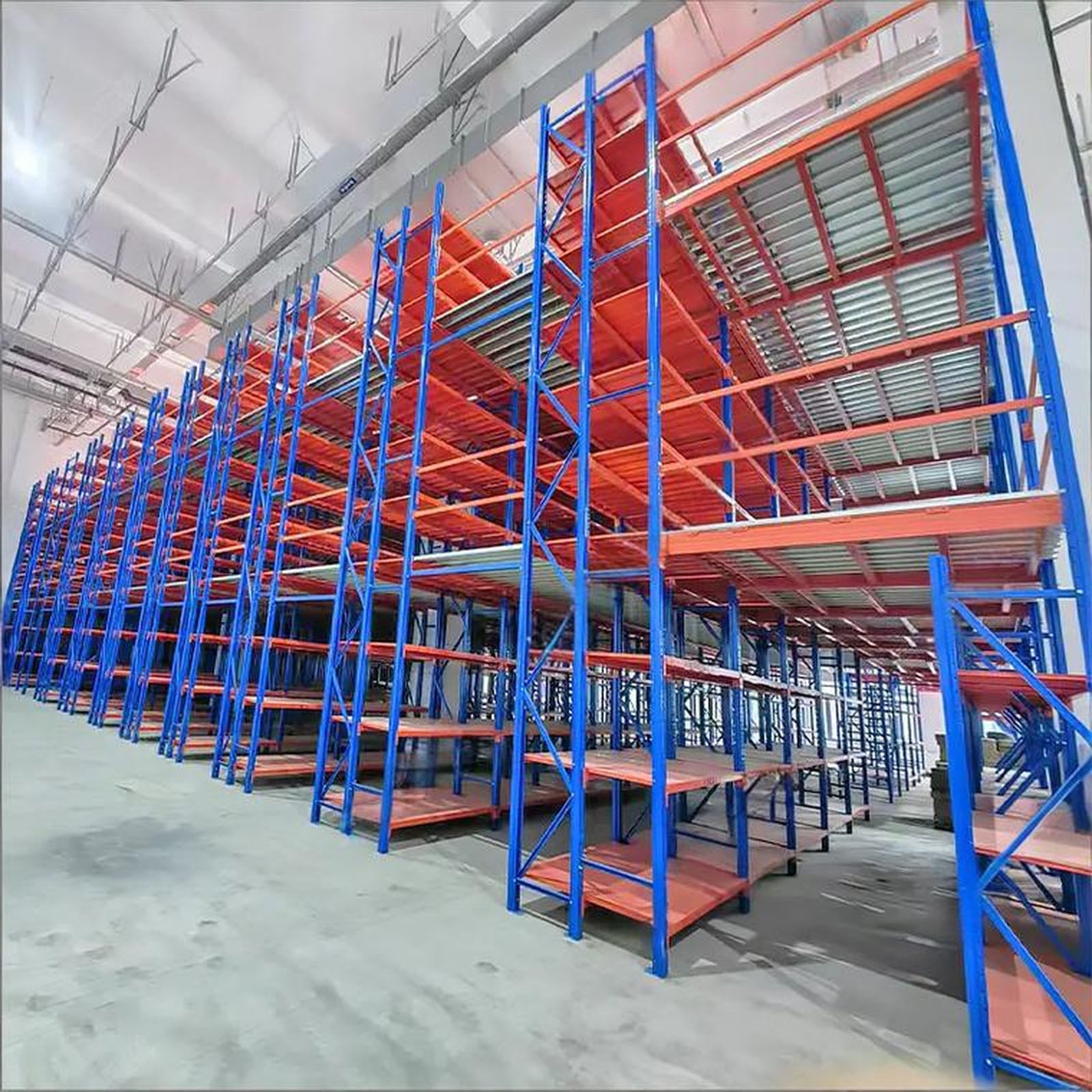
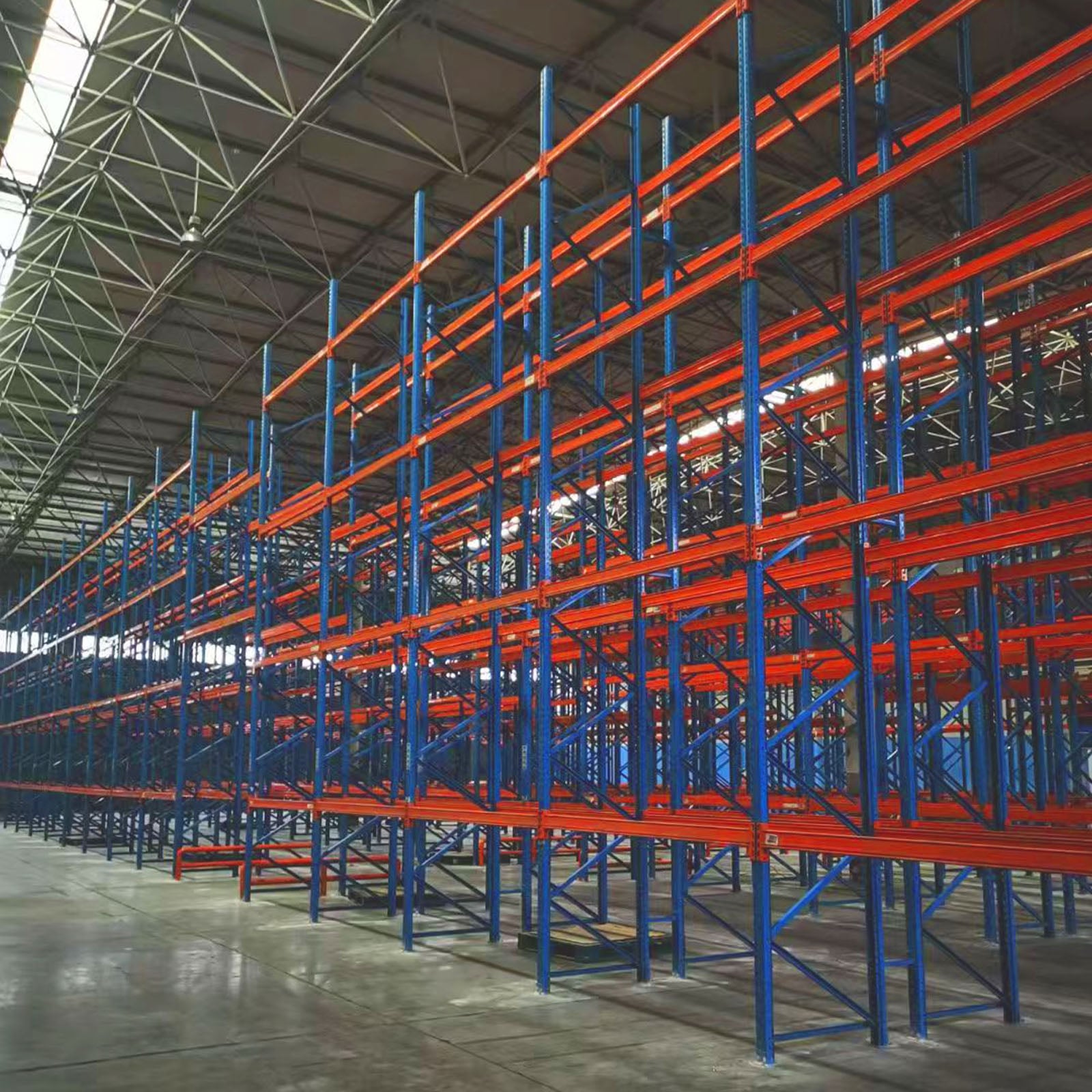
تستخدم هذه الأنظمة رفوف التخزين الموجودة كدعائم أساسية، مما يلغي الحاجة إلى الأعمدة الأرضية. وتعظم هذه الأنظمة الارتفاع الرأسي المتاح للبضائع المُرتبة على الباليتات، ما يرفع كثافة التخزين بنسبة ٣٠–٥٠٪ في مراكز التوزيع. وهي مثالية للمستودعات التي تتميز بتدفق متجانس للسلع، حيث تتصل بسلاسل النقل المتحركة بسلاسة مع تقليل مساحة الممرات إلى أدنى حد.
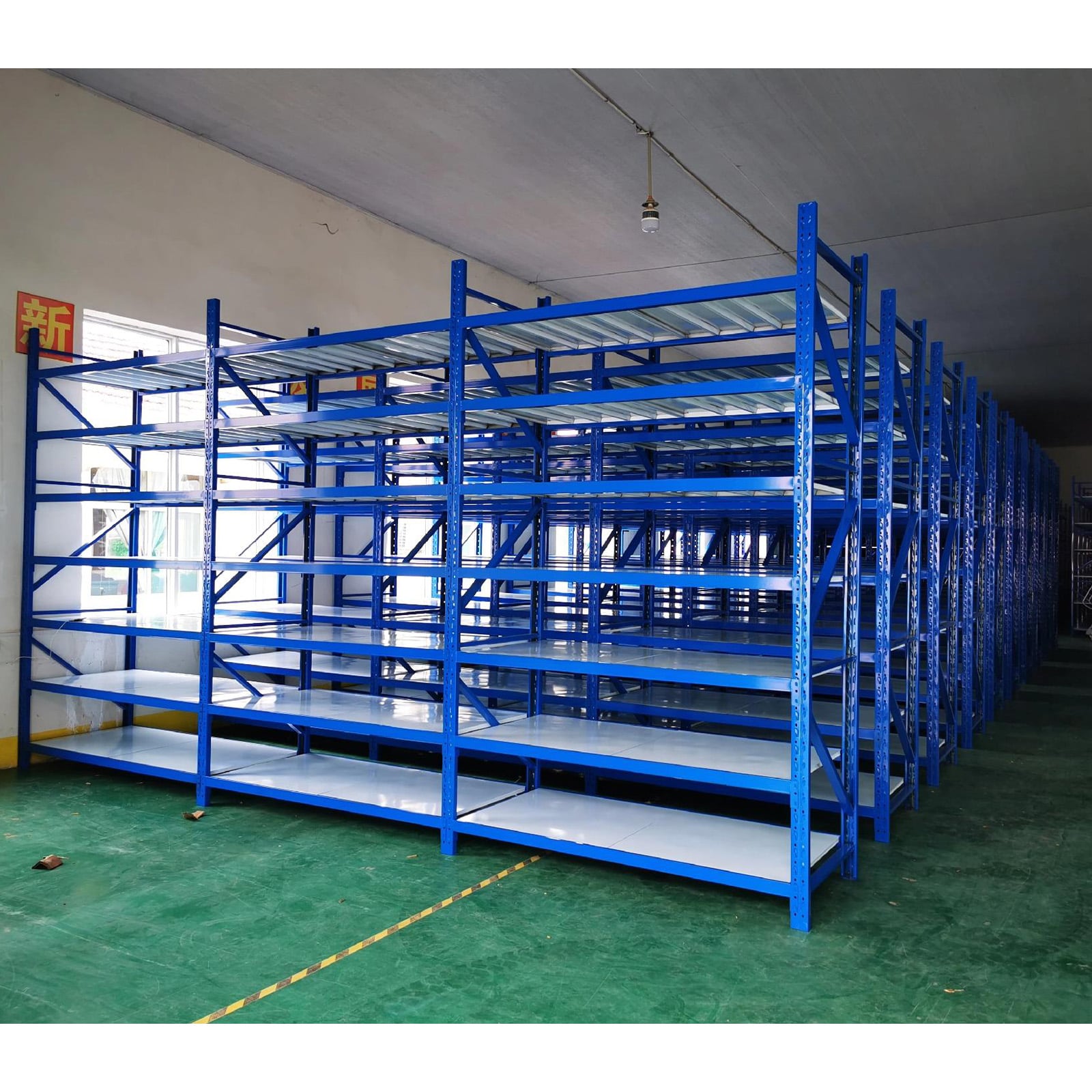
تتميز التصاميم القابلة للتعديل بمكونات تُركَّب بالبراغي معًا، ما يسمح بالتركيب السريع—غالبًا خلال أيام قليلة—دون الحاجة إلى أسس دائمة. وتتناسب تخطيطاتها القابلة لإعادة التكوين مع العمليات الديناميكية مثل خطوط التعبئة الموسمية أو مراكز التجهيز المؤقتة. وهي خفيفة الوزن ومع ذلك متوافقة مع الاشتراطات المحلية، ما يتيح التوسع بتكلفة فعالة في المرافق المستأجرة أو المواقع المؤقتة.
إن حساب سعة التحميل بدقةٍ أمرٌ لا غنى عنه لضمان سلامة منصات الطوابق الوسيطة. ويجب أن يدعم الهيكل الأوزان المجمعة للبضائع المخزنة والمعدات والعاملين— وهي أوزان تتطلب عادةً تصنيفات تتراوح بين ١٥٠ و١٠٠٠ رطل/قدم مربع. كما يجب تقييم قدرة التحميل الحالية للأرضية لمنع إجهاد الأساس. وتُنظِّم لوائح البناء المحلية العناصر الحرجة مثل مخارج الطوارئ من الحرائق، وارتفاع الدرابزين، والمتطلبات الزلزالية. وإهمال هذه اللوائح قد يعرّضك لغرامات تتجاوز ٥٠ ألف دولار أمريكي (حسب معايير إدارة السلامة والصحة المهنية OSHA لعام ٢٠٢٣) ووقف العمليات مؤقتًا. ولذلك، ينبغي دائمًا إجراء تقييمات هيكلية بواسطة مهندسين معتمدين قبل التركيب.
ويحقِّق التكامل السلس مع بنية مناولة المواد الأساسية أقصى عائد استثماري ممكن من منصات الطوابق الوسيطة. ويجب أن يراعي التصميم انحدارات الناقلات، ومسافات التفريغ المسموحة للرافعات، وممرات الأنظمة الآلية. ومن أبرز الاعتبارات ما يلي:
تستفيد قطاعات مثل التخزين، والتصنيع، والتجارة الإلكترونية، ومراكز التوزيع بشكل كبير من المنصات المتوسطة نظراً لتحسين استغلال المساحة والمرونة التشغيلية.
يتراوح وقت التركيب عادةً بين بضعة أيام وعدد قليل من الأسابيع، حسب درجة التعقيد والتصميم. وغالباً ما تكون المنصات الوحدوية الأسرع في النشر.
تعتمد السعة التحميلية على الغرض المقصود من الاستخدام. وتتحمل المنصات القياسية أحمالاً تتراوح بين ١٥٠ و١٠٠٠ رطل/قدم مربع، لكن التطبيقات الثقيلة قد تتطلب تصاميم معزَّزة تتجاوز هذه الحدود.
نعم، بشرط أن تكون مصممة ومُركَّبة وفقًا لمعايير البناء المحلية. وتشمل عوامل الامتثال الرئيسية السعة التحميلية ومخارج الطوارئ من الحرائق وارتفاع الدرابزين والمتطلبات الزلزالية.
نعم، يمكن تفكيك منصات الطابق الوسيط القابلة للتعديل وإعادة تركيبها بسهولة، مما يجعلها خيارًا فعّالًا من حيث التكلفة للمنشآت الديناميكية أو المؤجرة.

 EN
EN
 أخبار عاجلة