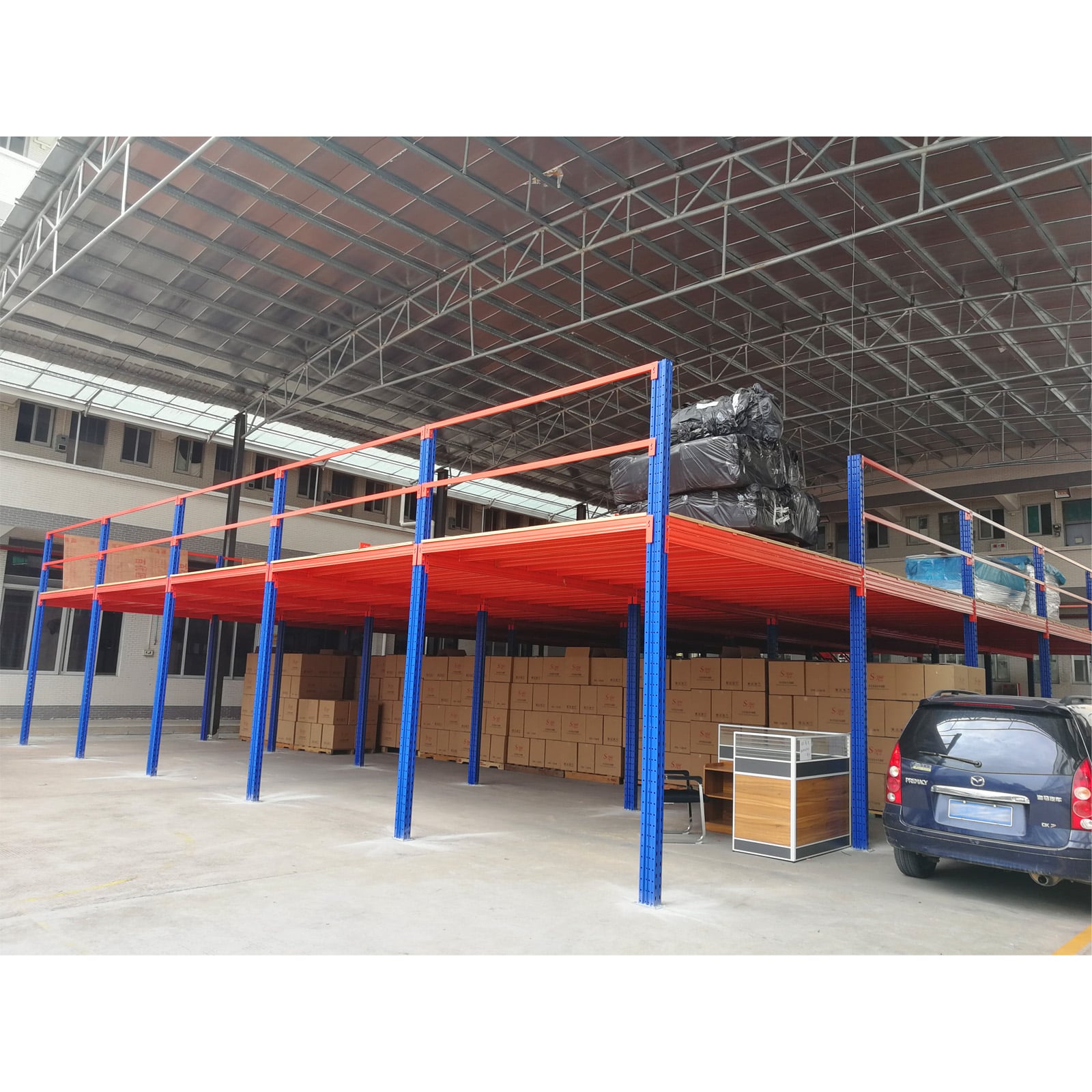
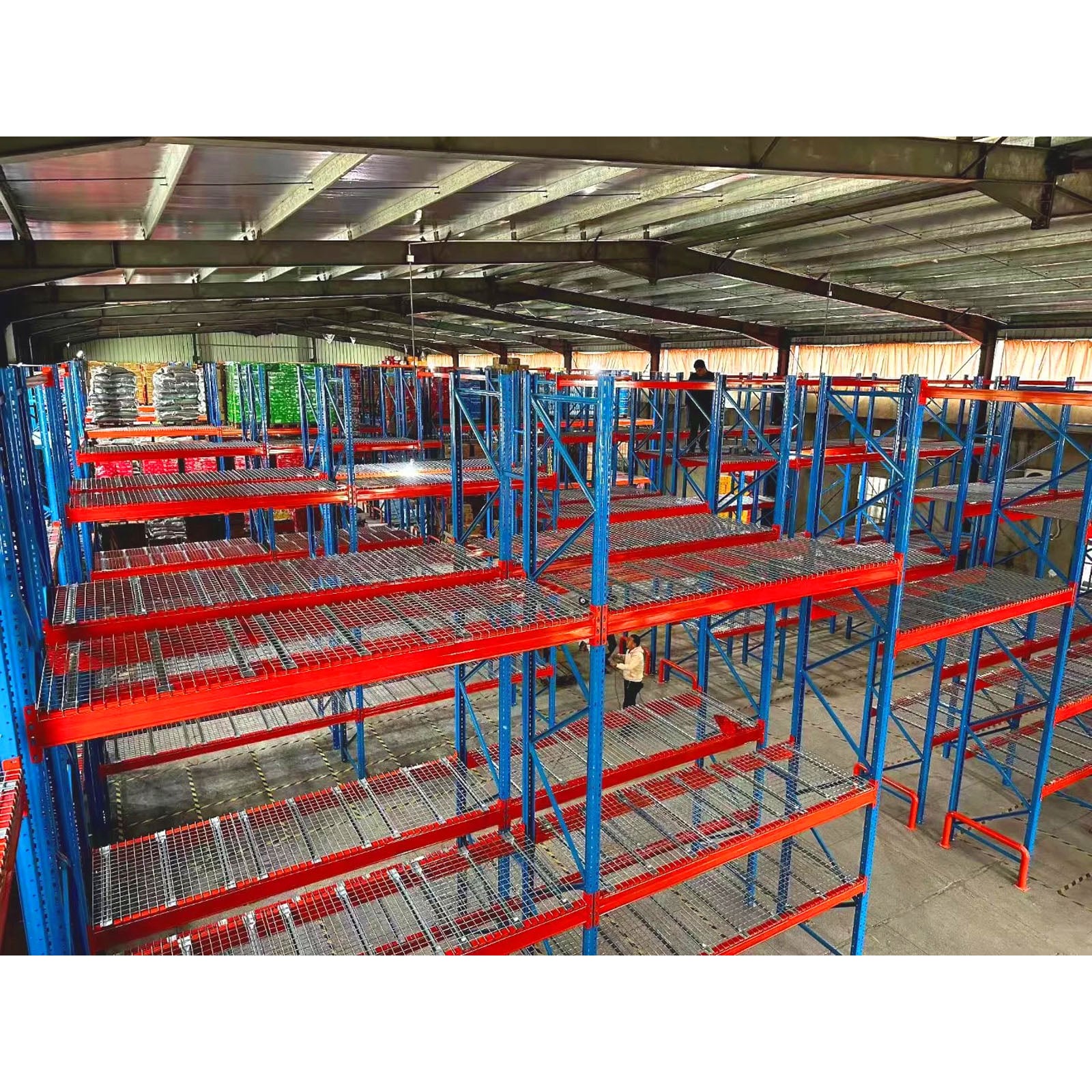
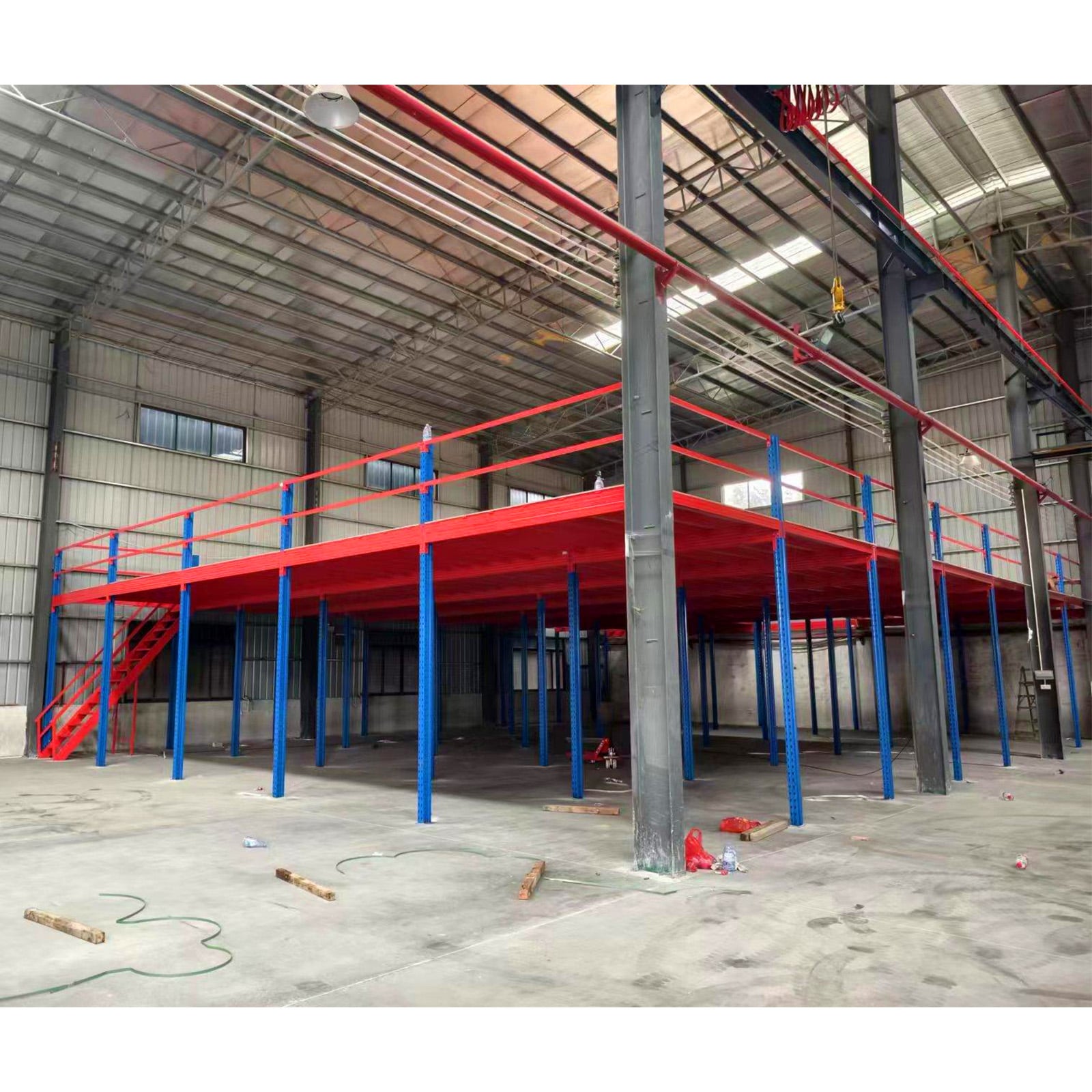
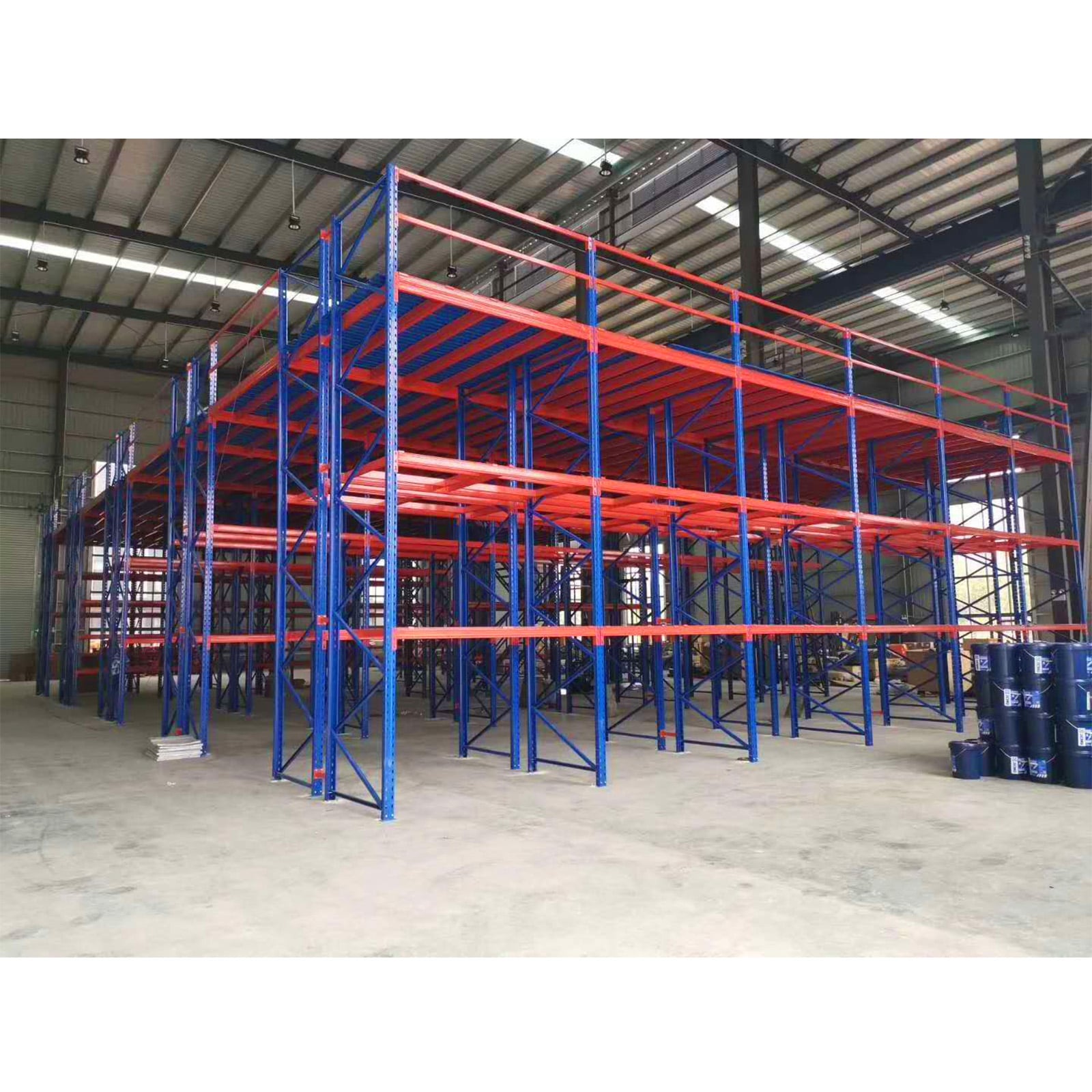
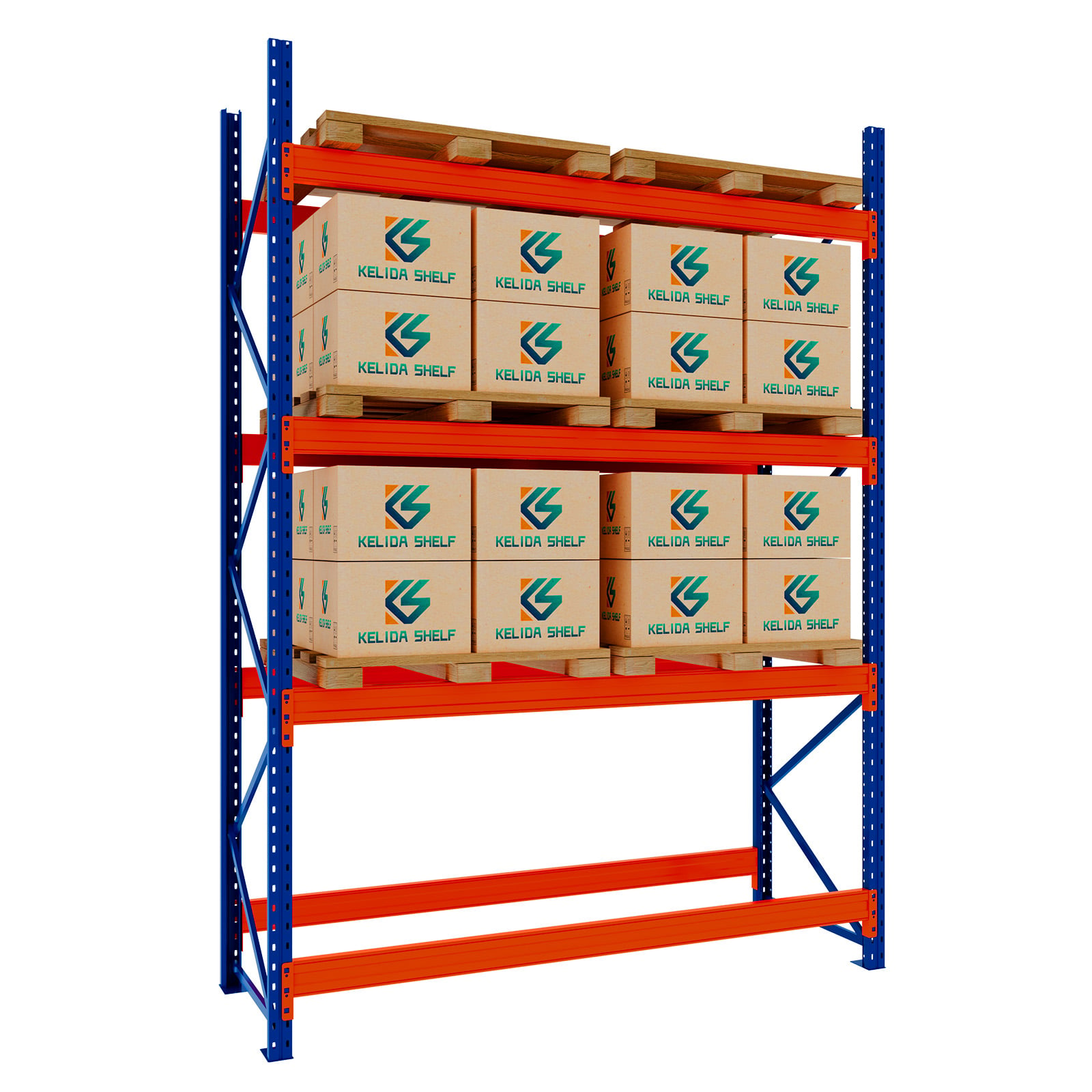
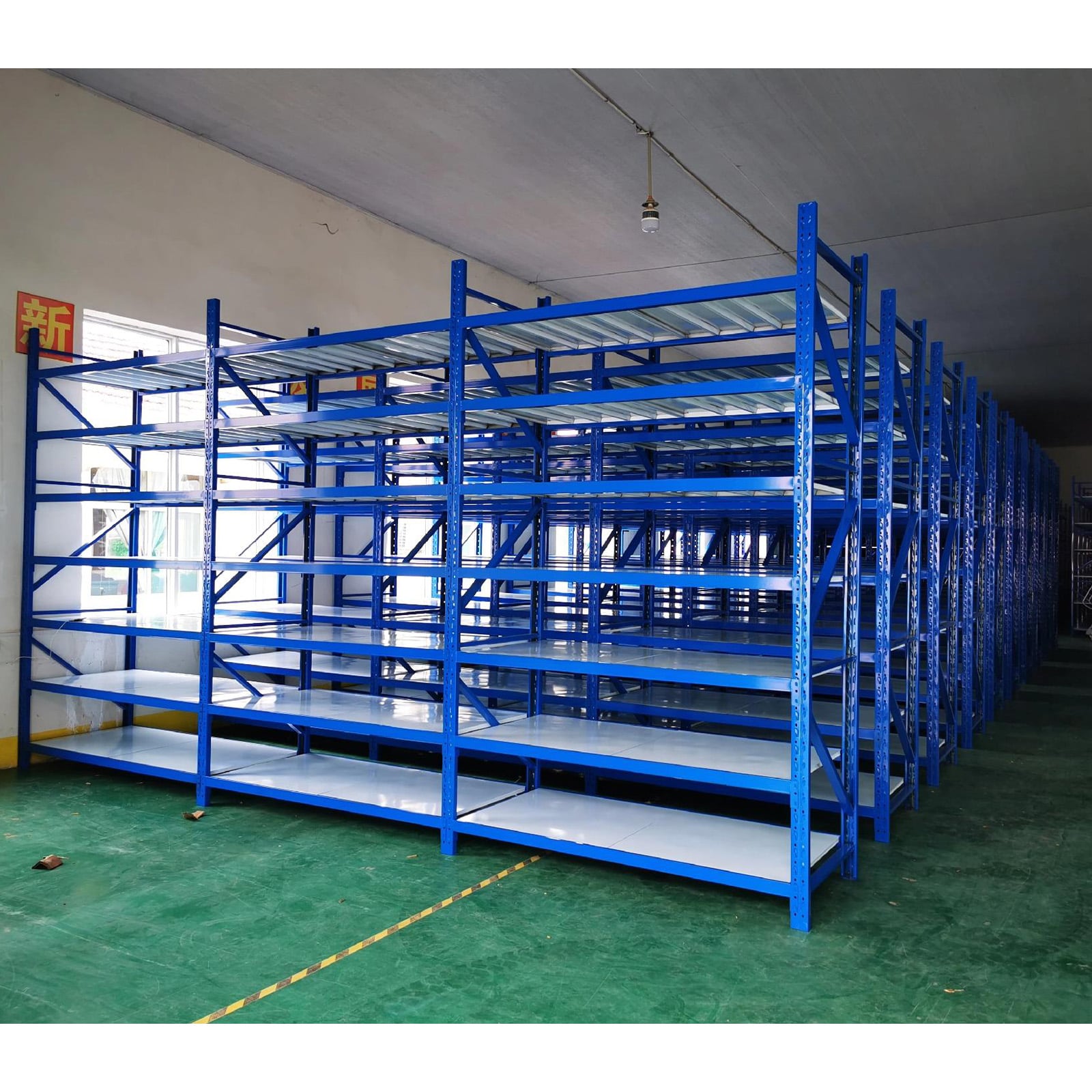
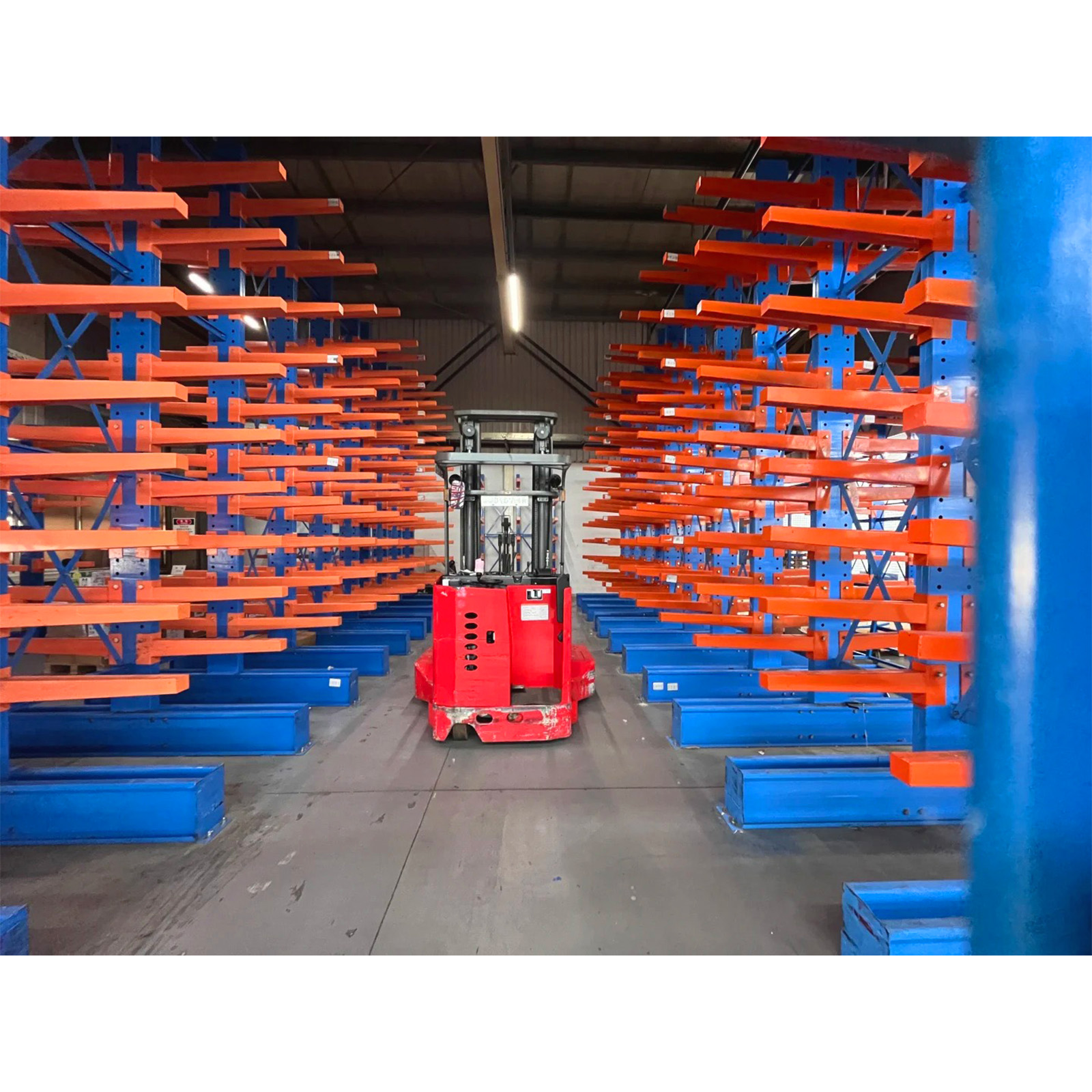
Industrielle Zwischenebenen verwenden hauptsächlich zwei konstruktive Systeme: kaltgeformten Stahl in Rollform und warmgewalzten Baustahl. Rollgeformte Systeme ermöglichen eine schnelle Montage – typischerweise rund 30 % schneller als konventionelle Tragwerksysteme – und bieten Kostenvorteile bei leichten bis mittelschweren Nutzlasten von bis zu 125 psf. Ihre Spannweite ist jedoch im Allgemeinen auf 10–15 Fuß begrenzt, was eng gestellte Stützen erforderlich macht, die die Raumplanung behindern können. Im Gegensatz dazu unterstützen Mezzanin-Systeme aus Tragstahl Nutzlasten von über 250 psf und Spannweiten von mehr als 30 Fuß; sie eignen sich daher ideal für schwere Maschinen, mehrstufige Palettenregalsysteme oder Hochregal-Automatisierungslösungen. Obwohl ihre Montage Schweißarbeiten oder präzises Verschrauben erfordert und zwei bis drei Wochen dauert, rechtfertigen ihre hohe Tragfähigkeit, ihre dimensionale Flexibilität sowie ihre langfristige Anpassungsfähigkeit die längere Vorlaufzeit bei komplexen Anwendungen.
Die zulässige Nutzlast ist der entscheidende Faktor für eine sichere und funktionale Integration von Palettenregalsystemen. Zwischendecken mit einer Nutzlast von 125–150 psf eignen sich für die Kartonlagerung, bergen jedoch bei standardmäßigen palettierten Lasten das Risiko einer übermäßigen Durchbiegung. Systeme, die für eine Nutzlast von 200–250+ psf ausgelegt sind, ermöglichen die direkte Kompatibilität mit industriellen Regalsystemen – dies wird durch die Lastprüfvorschriften führender Regalhersteller bestätigt. Eine Überschreitung der zulässigen Tragfähigkeit um lediglich 10 % kann gemäß den OSHA-1910.23-Benchmarks die Durchbiegung der Träger um 25 % erhöhen und damit das Kollapsrisiko steigern. Für hochdichte Konfigurationen unterstützen Plattformen mit einer Nutzlast von 250 psf Doppel-Tiefen-Regale mit schmalen Gängen und maximieren so die vertikale Raumnutzung – vorausgesetzt, die Durchbiegung bleibt innerhalb des IBC-Grenzwerts von L/240, um eine Verlagerung der Regale während des Betriebs von Gabelstaplern oder automatischen Fahrzeugen (AGV) zu verhindern.
OSHA 1910.23 und der Internationale Baukodex (IBC), Kapitel 5, legen verbindliche Sicherheitsparameter für industrielle Zwischendecken fest. Schutzgeländer müssen 42 Zoll hoch sein, über Mittelgeländer verfügen und einer punktförmigen Last von 200 lb standhalten; Treppen müssen gleichmäßige Auftritte mit einer Höhe von maximal 9,5 Zoll, Stufen mit einer Tiefe von 7–10 Zoll sowie Landungen alle 12 Fuß aufweisen. Entscheidend ist, dass der IBC eine maximale Durchbiegungsgrenze von L/240 unter Nutzlast vorschreibt, um die strukturelle Integrität und die Kompatibilität mit Geräten zu gewährleisten. Gemäß den Daten des National Safety Council (NSC) aus dem Jahr 2022 reduziert die Einhaltung dieser Standards fallbedingte Unfälle in Lagerhallen um 67 %.
Brandschutz hängt von einer koordinierten Materialauswahl und Systemintegration ab. Nichtbrennbares Stahldeck erfüllt die Anforderungen an die Flammenausbreitung nach ASTM E84 und eliminiert Zündwege, wie sie bei Holz- oder Verbundalternativen auftreten. Bei Verwendung von ESFR-Sprinklern (Early Suppression Fast Response) schreibt die NFPA 13 einen freien Abstand von 18–24 Zoll zwischen der Unterseite des Deckes und den Sprinklerverteilerplatten vor. Zugvorhänge – installiert gemäß den Richtlinien der NFPA 13 – unterteilen Wärme und Rauch in einzelne Bereiche und begrenzen Brände auf Zonen von jeweils 500 Quadratfuß. Diese Konfiguration hat laut dem Industrierisikobericht 2023 von FM Global zu einer durchschnittlichen Reduzierung der brandschadenbedingten Verluste um 740.000 US-Dollar pro Vorfall geführt.
Industrielle Zwischengeschosse stellen eine gezielte Kapitalinvestition von 15–25 US-Dollar pro Quadratfuß für Material und professionelle Installation dar. Im Gegensatz zu einer Erweiterung oder einem Umzug der Produktionsstätte – die Genehmigungsverzögerungen, Zoneneinwilligungen und Bauüberschreitungen mit sich bringen – stehen Zwischengeschosse innerhalb weniger Wochen nutzbar zur Verfügung. Durch die Umwandlung ungenutzter vertikaler Luftfläche in funktionale Geschossfläche werden horizontale Raumgrenzen beseitigt, während gleichzeitig eine direkte Integration in bestehende Regalsysteme und Materialflusseinrichtungen erfolgt. Betriebe erzielen durch optimierte Bereitstellungsbereiche, kürzere Wege und zentralisierte Arbeitsabläufe durchgängig Steigerungen der Durchsatzleistung um 15–30 %. Die Durchschnitts-Pick-Zeiten des Personals verringern sich um rund 20 %, wodurch die Auftragsabwicklung beschleunigt wird. Bei raumkritischen Anlagen liegt die vollständige Amortisation typischerweise innerhalb von 18–36 Monaten – getrieben sowohl durch Einsparungen bei Immobilienkosten als auch durch messbare Verbesserungen der Arbeitseffizienz.
Der langfristige Wert ergibt sich aus einer gezielten Gestaltung für Anpassungsfähigkeit. Skalierbare Zwischengeschoss-Systeme ermöglichen eine schrittweise Erweiterung – etwa durch Hinzufügen weiterer Felder, Verstärkung von Trägern oder Austausch der Deckenkonstruktion – ohne dass das gesamte System ersetzt werden muss. Durch Schraubverbindungen montierte Stahlkonstruktionen behalten ihren Restwert und können innerhalb weniger Tage vollständig demontiert, an einen neuen Standort verbracht und dort wieder installiert werden – ein entscheidender Vorteil bei Fusionen, Standortkonsolidierungen oder Übergängen zwischen Mietverträgen. Am wichtigsten ist jedoch, dass moderne Zwischengeschosse speziell für die Automatisierung konzipiert sind: einheitliche vertikale Freiräume ermöglichen die Routenplanung für automatische Fahrzeuge (AGVs), verstärkte Deckenkonstruktionen tragen Roboter-Systeme für Lagerung und Kommissionierung (SRMs), und integrierte Strom- und Datenleitungen ermöglichen eine vollautomatisierte Logistik („lights-out logistics“). In diesem Kontext wandelt sich das Zwischengeschoss von einer statischen Infrastruktur in eine grundlegende Plattform für sich weiterentwickelnde Materialflüsse – und unterstützt damit sowohl aktuelle Betriebsabläufe als auch zukünftige Automatisierungsstrategien.
Ein industrieller Zwischenboden ist die zuverlässigste und kosteneffizienteste Möglichkeit, Ihren nutzbaren Raum zu verdoppeln, den Durchsatz zu steigern und Ihr Lager zukunftssicher zu machen – ohne Erweiterung oder Standortwechsel. Indem Sie den Konstruktionstyp, die Tragfähigkeit und die Compliance-Merkmale an Ihre Hallenstruktur, Ihre Automatisierungsroadmap und Ihre Lagerziele anpassen, erreichen Sie eine sichere, leistungsstarke vertikale Erweiterung mit vorhersehbarem und schnellem ROI.
Für industrietaugliche, OEM-kompatible Zwischenbodensysteme, die speziell für globale Lager, Produktionsstätten und Logistikdienstleister (3PL) maßgeschneidert wurden, arbeiten Sie am besten mit einem Hersteller zusammen, der über mehr als 20 Jahre Erfahrung in Konstruktion und Projektabwicklung verfügt. KELIDA SHELF spezialisiert sich auf baurechtlich konforme, hochbelastbare Zwischenbodensysteme, eigene Fertigung sowie ganzheitliche Unterstützung bei über 1000 abgeschlossenen Projekten in mehr als 30 Exportmärkten. Kontaktieren Sie uns noch heute für eine unverbindliche Layout-Analyse und eine vollständig individuelle Zwischenboden-Lösung.
Die beiden wichtigsten Konstruktionsarten sind kaltgeformter Stahl mit Walzprofil und warmgewalzter Baustahl.
Die Nutzlastwerte liegen zwischen 125 und über 250 psf und beeinflussen die Integration von Palettenregalsystemen sowie die Leistungsfähigkeit. Höhere Werte ermöglichen robustere Lagerkonfigurationen.
OSHA 1910.23 und IBC Kapitel 5 legen Anforderungen an Schutzgeländer, Treppenzugänge und Durchbiegungsgrenzwerte fest.
Sie optimieren den vertikalen Raum und ermöglichen durch eine Steigerung des Durchsatzes und der Arbeitseffizienz eine schnelle Kapitalrendite, ohne dass die Gebäudegröße erweitert werden muss.
Ja, Systeme können erweitert, verstärkt oder umgesetzt werden, wodurch sie eine flexible Lösung für sich ändernde betriebliche Anforderungen darstellen.
 Aktuelle Nachrichten
2025-01-15
2025-01-10
2025-01-05

 EN
EN